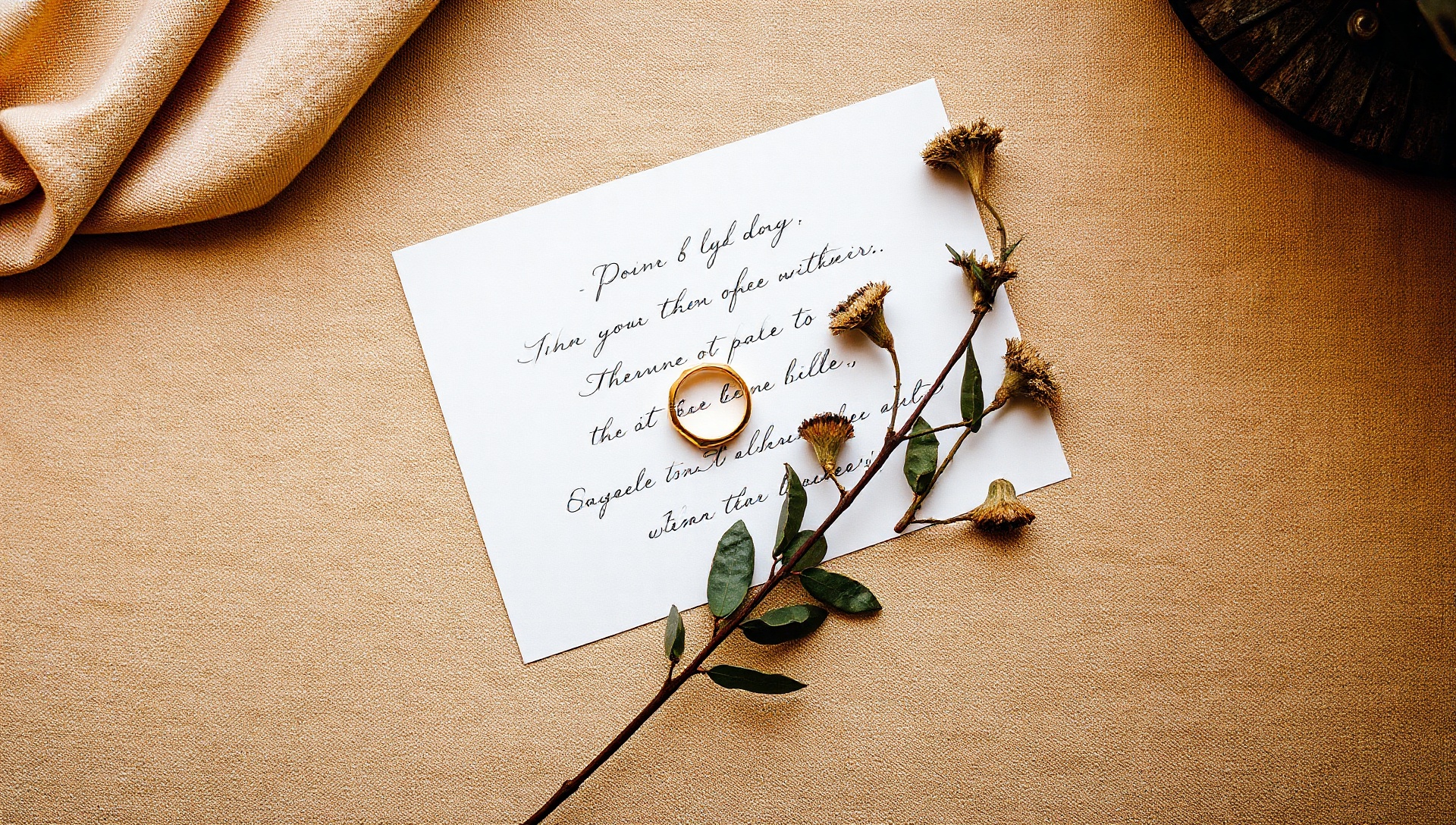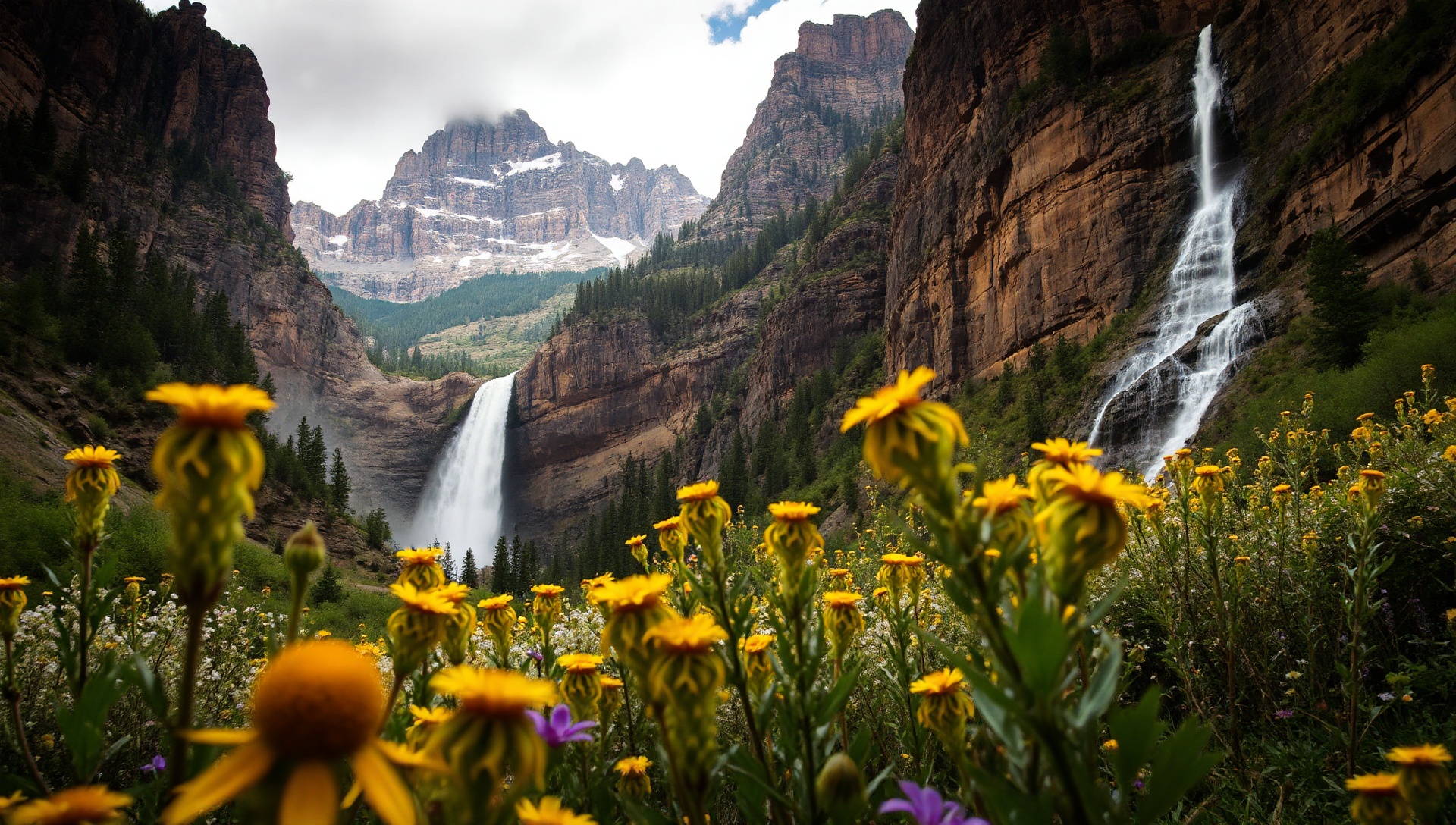
Self solemnization is the reason so many couples pick Colorado. In most states a marriage has to be performed by someone with authority: clergy, a judge, a registered officiant. In Colorado the statute that lists who may solemnize a marriage includes “the parties to the marriage.” You can stand on a ridge at sunrise with nobody but a photographer, say what you want to say to each other, sign the certificate, and be married. This page explains how that works in practice and where the folklore around it goes wrong.
What the law actually says
Colorado Revised Statutes section 14-2-109 governs who may solemnize a marriage. The list is short: judges and retired judges, magistrates, public officials whose powers include solemnization, officials of Indian tribes or Native American nations, clergy recognized by a religious denomination, and the parties to the marriage themselves. County clerks describe it the same way. Larimer County’s page says plainly that a couple may perform their own ceremony and that a third party is not required. Pitkin County lists three types of ceremony on its instruction sheet: religious, civil, and self solemnization, in which the two parties act as their own officiants.
That last point is the whole thing. You are not getting a waiver or using a loophole. Self solemnization is one of the ordinary, named ways to marry in this state, and clerks process thousands of them a year.
How to fill out the license
When you pick up your license the clerk gives you a sheet showing where to sign for each type of ceremony. For a self solemnized marriage, the pattern is the same at every county we checked:
- Date, time, county and location. Fill in where and when the ceremony happened. Write the physical place, not a mailing address. A trailhead name, a lake, a town park or a venue name is fine.
- Both parties sign. Your signatures go in the spaces for the parties to the marriage, matching the names as they appear on the license.
- The officiant block. You sign here too, as your own officiants. Jefferson County notes that “officiant” is not a title, and that if the signature line carries no recognized title such as pastor, minister, judge or magistrate, the county records it as a self solemnization. Do not invent a title and do not have a friend sign as an officiant.
- Witnesses. Optional. Leave the lines blank or fill them as described below.
- Return it. Mail the completed certificate to the clerk that issued it or drop it off, within 63 days of the ceremony. The clerk records it and sends back your original with any certified copies you ordered.
Take a clear photo of both sides before you mail it. If you want certified copies for a name change, passport or insurance, order them when you return the license; most counties charge between $1.25 and $3 a copy.
Kids, dogs and the witness lines
Witnesses are not required in Colorado. None of the counties we checked require them and the statewide form has lines for them only because other kinds of ceremonies use them. If you want witnesses, there is no age restriction; Larimer County’s page says outright that children may sign. A child’s signature on your certificate is legal and a lovely thing to have.
Dogs are a different story. The internet is full of Colorado marriage certificates with a paw print inked in the witness box, and for years many clerks accepted them. El Paso County now states on its marriage license page that pet paw prints are no longer allowed in the witness section. Other counties handle it case by case, and a certificate with a paw print may be returned to you for a clean copy, which eats into your 63 days. If your dog is part of the ceremony, have your photographer capture the paw on a keepsake copy and leave the official witness lines blank or signed by humans.
What you still have to do
Self solemnization removes the officiant, not the paperwork. You still need a Colorado marriage license, issued within 35 days before the ceremony, from any county clerk. You still need permission to use the place, whether that is a Rocky Mountain National Park permit, a Maroon Bells amphitheater reservation, a state park special activity agreement, or simply the knowledge that a Forest Service overlook is open to a small group. The marriage license page and the permits index cover both. A ceremony with no officiant is still a ceremony in the eyes of a park ranger.
Writing a ceremony for two
Couples who self solemnize usually worry that the moment will feel thin without someone to run it. In practice the opposite happens. A few things that help:
- Decide who speaks first and whether you are exchanging written vows, a few sentences each, or just the words “I do.” Both are enough.
- Put the vows on paper, not a phone. Paper photographs better and does not lock itself in the wind.
- Bring the license in a folder with a pen that works in the cold. Sign at the site, with the view behind you, and let the signing be the last frame of the ceremony.
- If a friend is with you, let them read a passage or hold the rings. They can lead every word of the ceremony; they just cannot sign as officiant unless they are clergy, a judge or a magistrate.
Your photographer has seen dozens of these and can pace the morning so the ceremony lands between the good light and the wind. The photographers in our directory specialize in exactly this.
When you still want an officiant
Self solemnization fits a couple who want privacy and a ceremony in their own words. If you would rather have a judge, our Colorado courthouse wedding guide covers the courts that marry couples. A professional officiant earns their fee in a few situations:
- Guests. With twenty people watching, someone who is not getting married should be managing the flow.
- Religious or cultural requirements. If your tradition requires clergy, hire clergy, and ask whether they are comfortable at altitude and outdoors.
- Nerves. Some couples simply want to be led. An officiant who writes a ceremony from your story gives you something to react to rather than something to perform.
- Logistics. Many Colorado officiants double as permit guides and sunrise wranglers. They know which Forest Service lot fills by 6 a.m.
Officiants in our directory range from celebrants who write custom ceremonies to clergy who travel statewide, and planners in the planners category can handle both the permit and the person at the front. Whichever way you go, Colorado makes the legal part the easiest thing on the list. If your children or your dog are part of the day, our guide to eloping with kids and dogs covers who can be there and where dogs are allowed.