Colorado is one of the few states where you do not need a wedding officiant at all. Under C.R.S. 14-2-109 the two of you can solemnize your own marriage, there is no witness requirement, and you sign the certificate yourselves. Our self solemnization guide walks through the form. So the real question is not whether you need an officiant, but whether you want one.
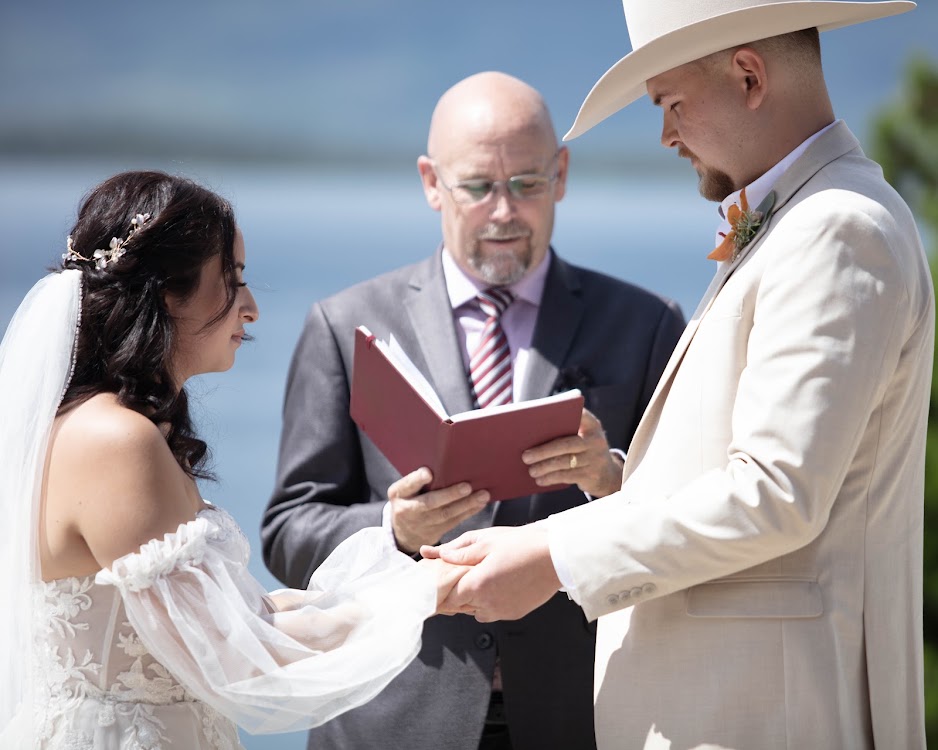
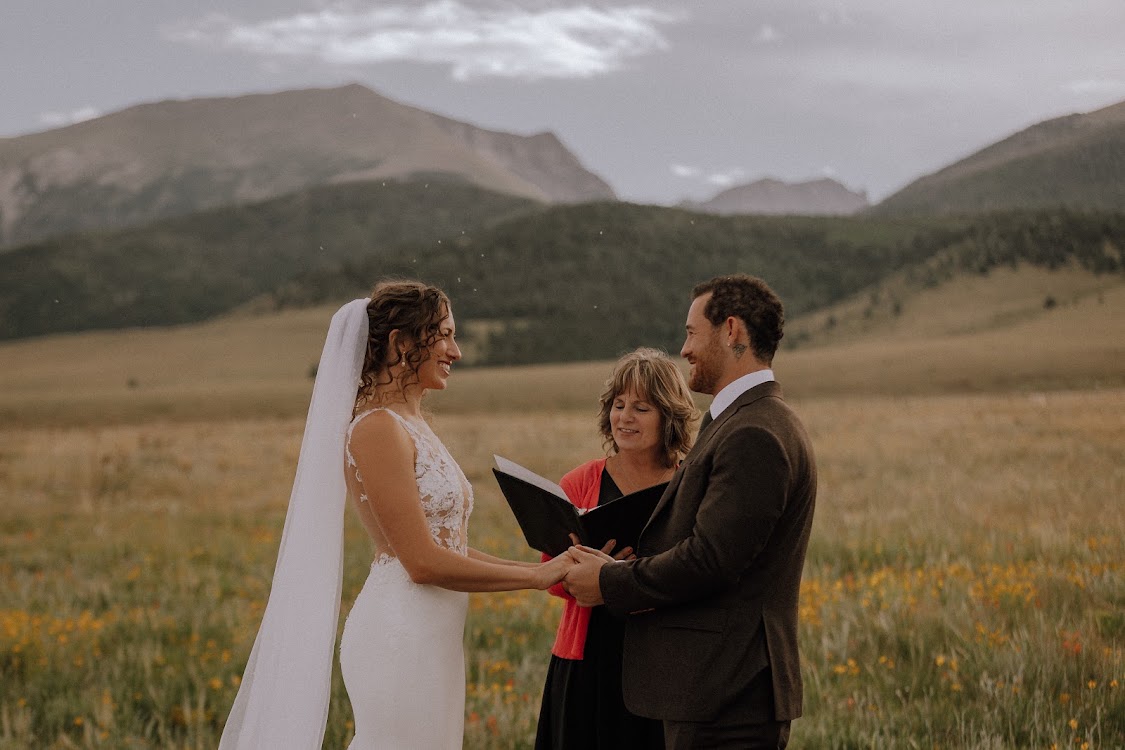
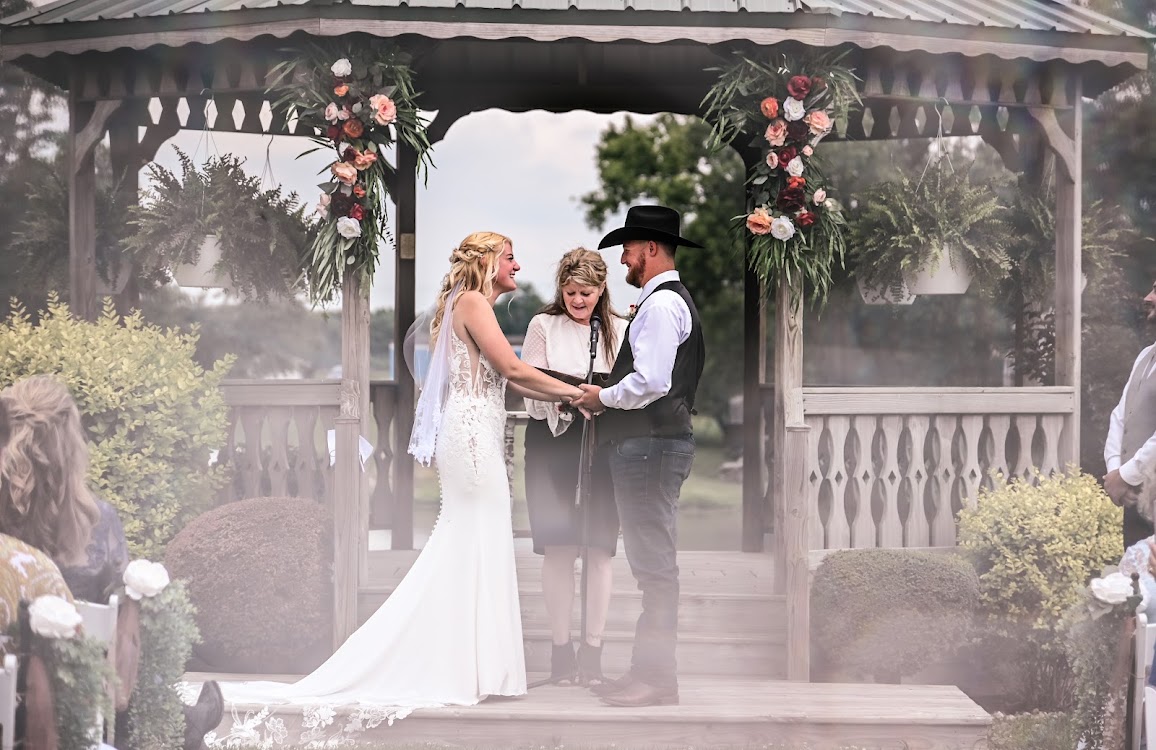
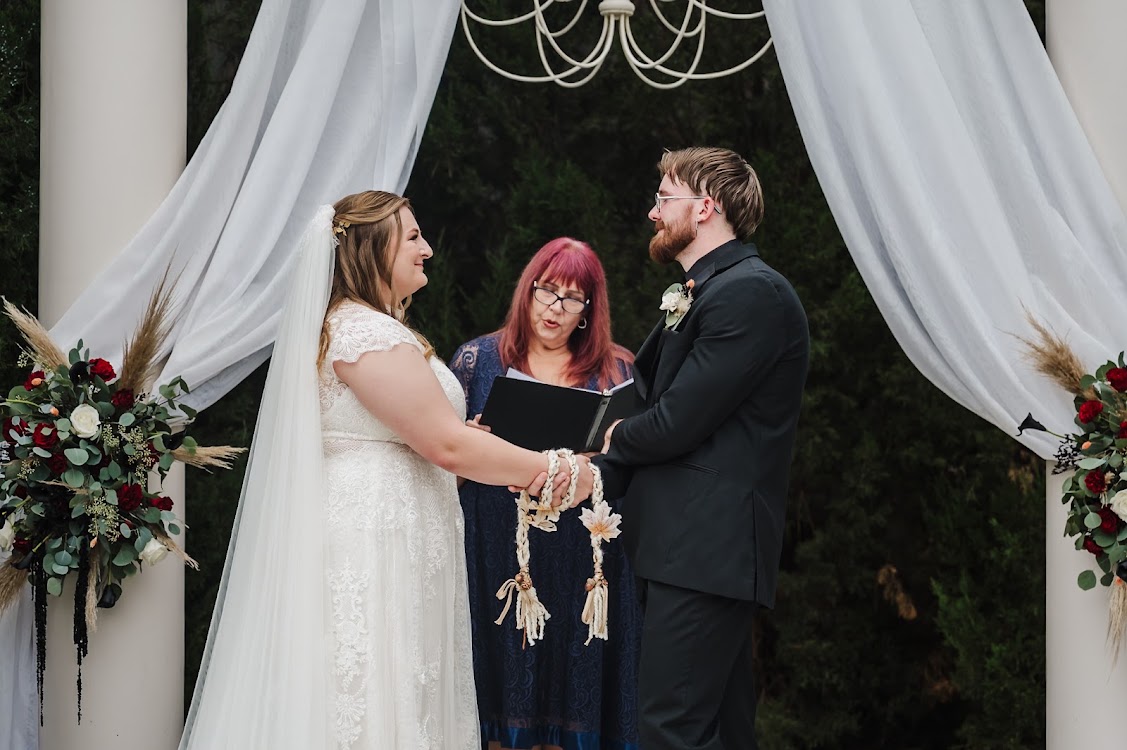
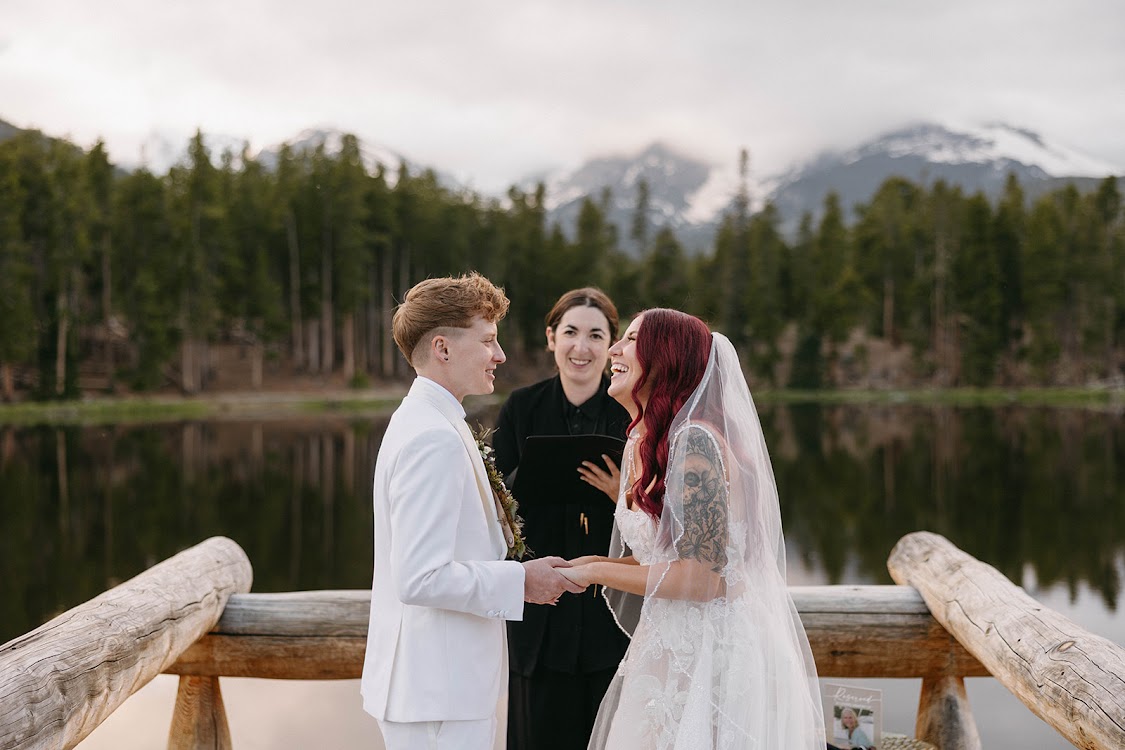
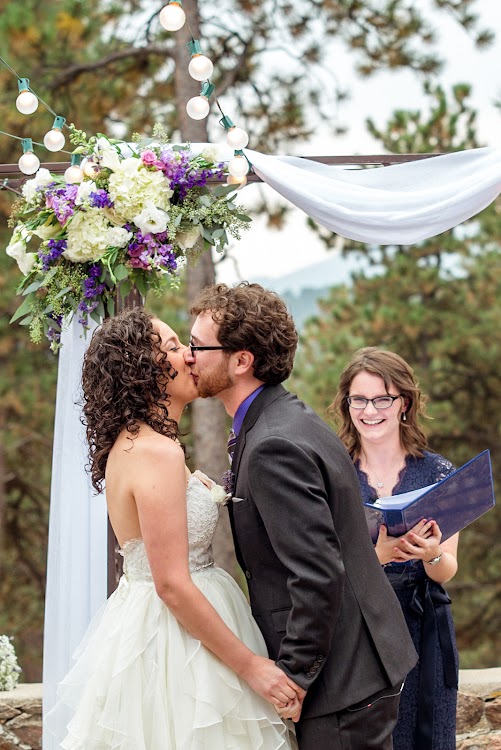
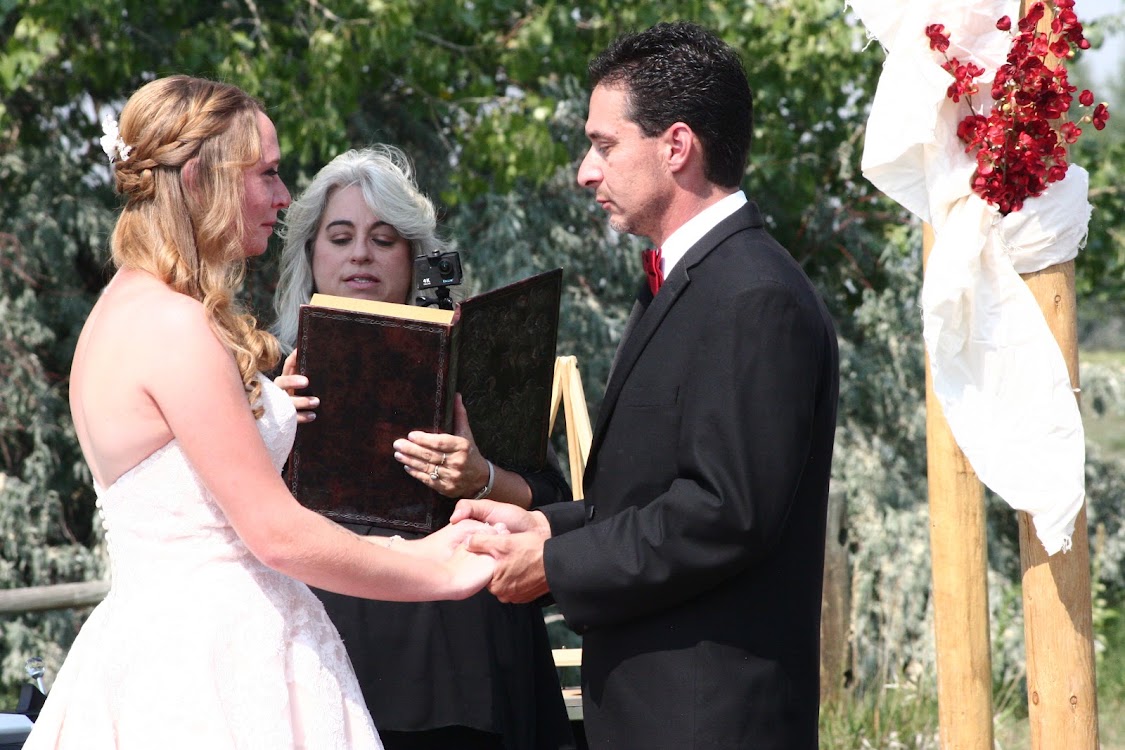
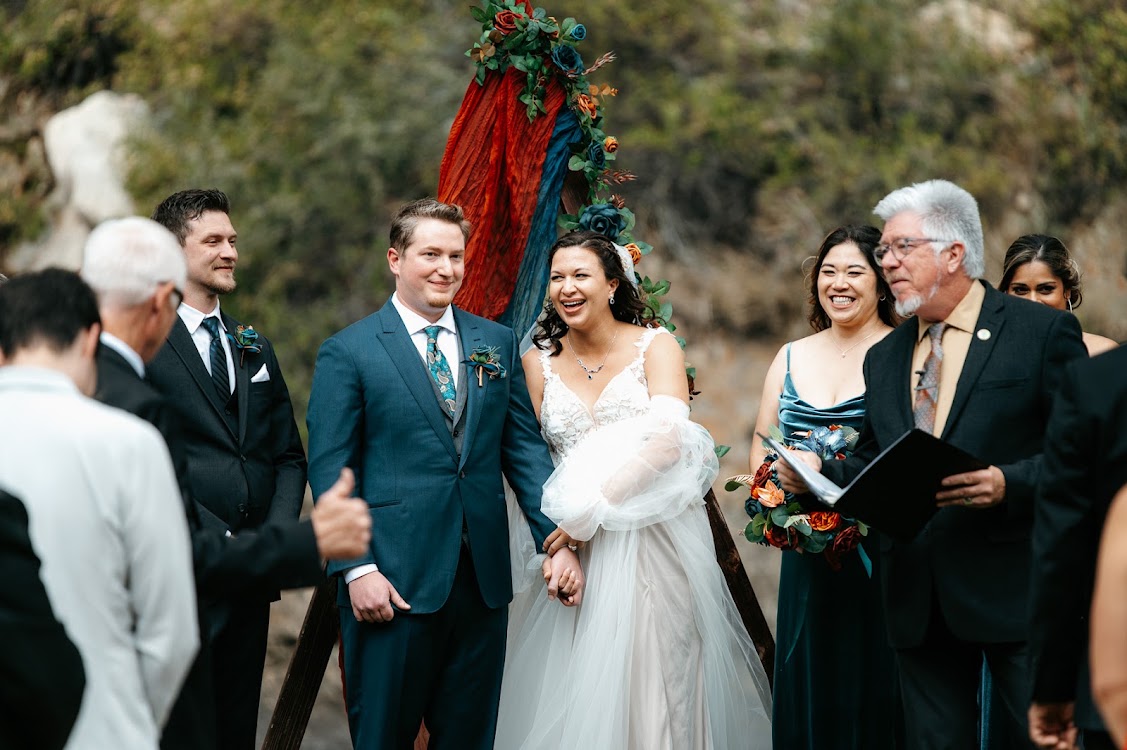
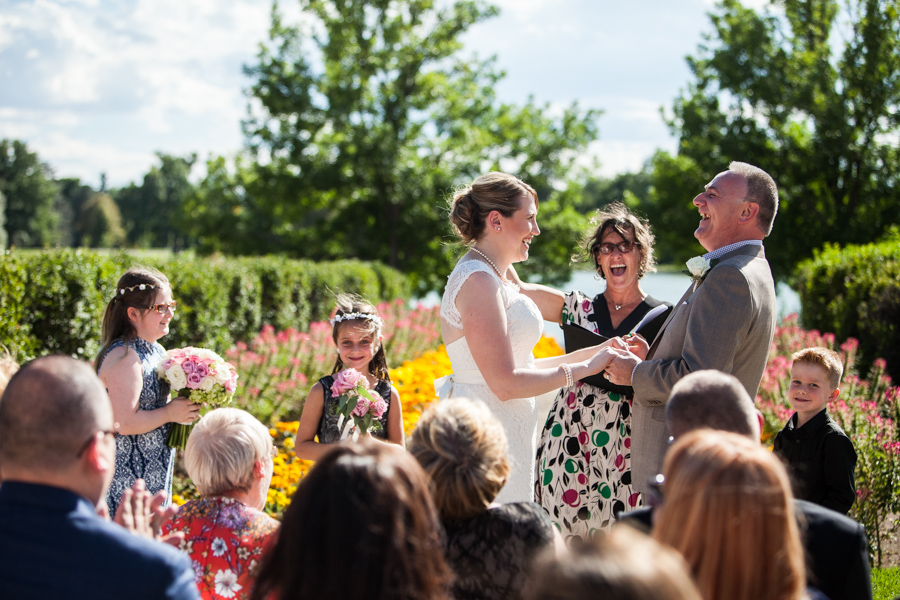
Plenty of couples do. An officiant gives the ceremony a shape: words written for you, a moment for a reading or a ring exchange, someone to look at instead of reading your own script into the wind. If you have family with you, a guided ceremony helps everyone know when to stand, when to listen and when to cheer. If your faith matters to you, a minister, rabbi or other clergy member may be the whole point.
An officiant also handles paperwork. The certificate must be completed correctly and returned to the clerk that issued the license within 63 days, and the license itself must be used within 35 days of issue. Experienced officiants do this every week. If you want a friend to lead the ceremony, know that a friend can sign as officiant only if a religious body has ordained or recognized them; otherwise you can self solemnize and let your friend lead the words. Our how to get married in Colorado page explains the choice.
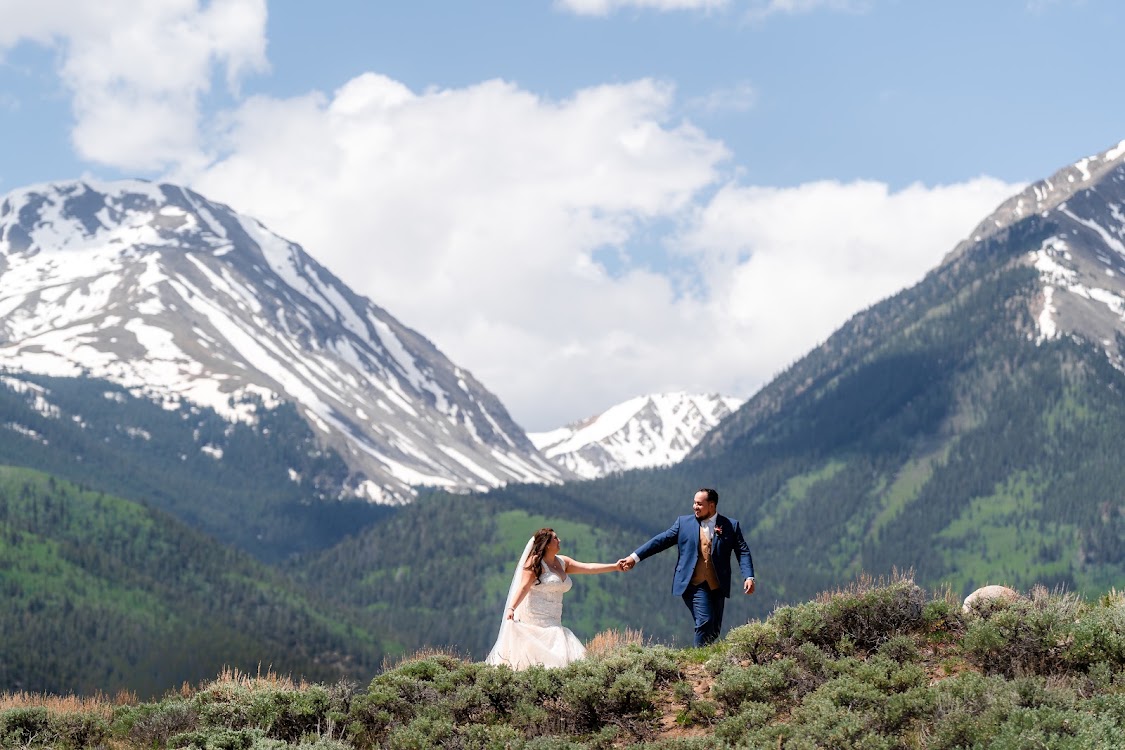
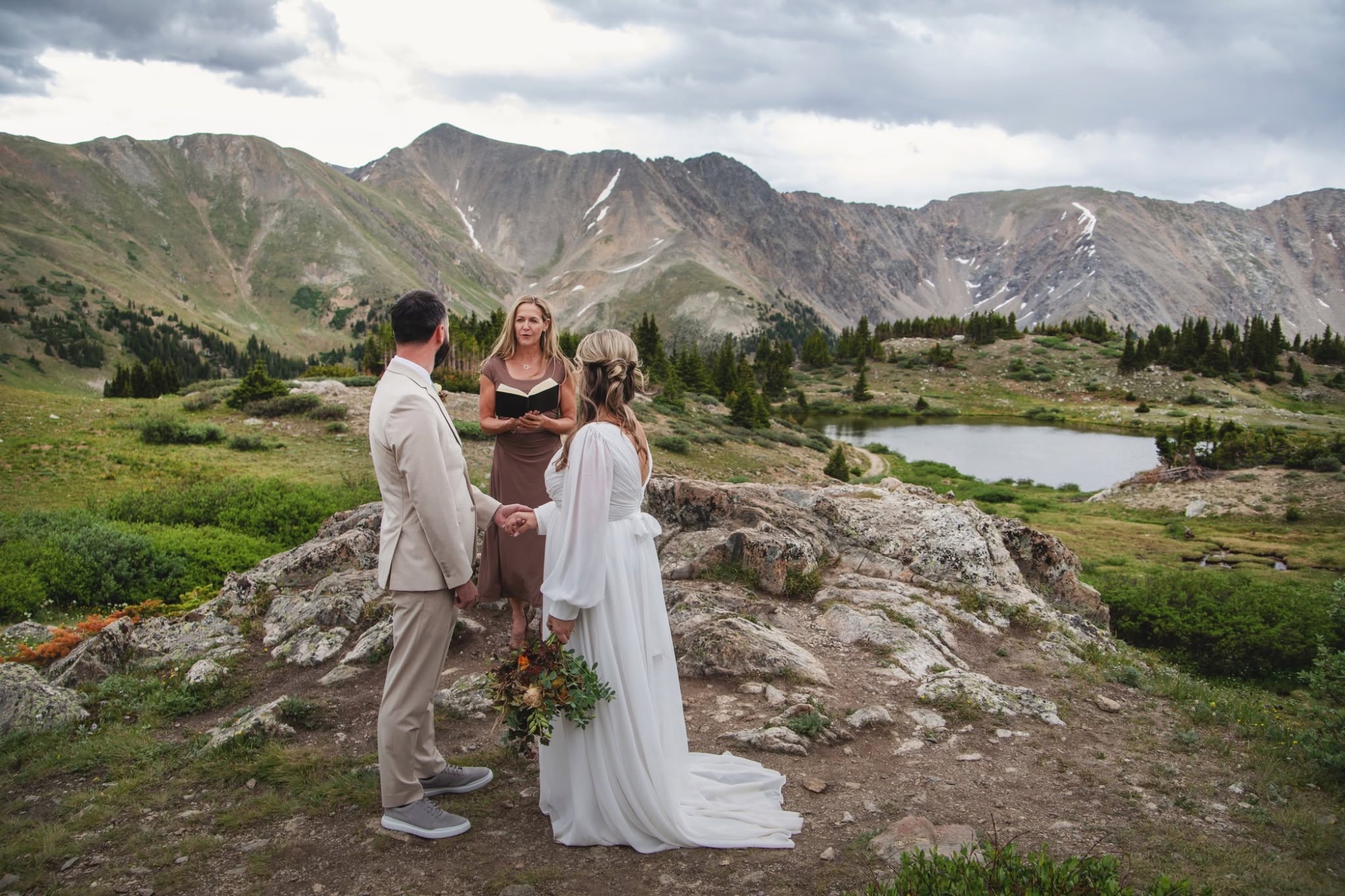
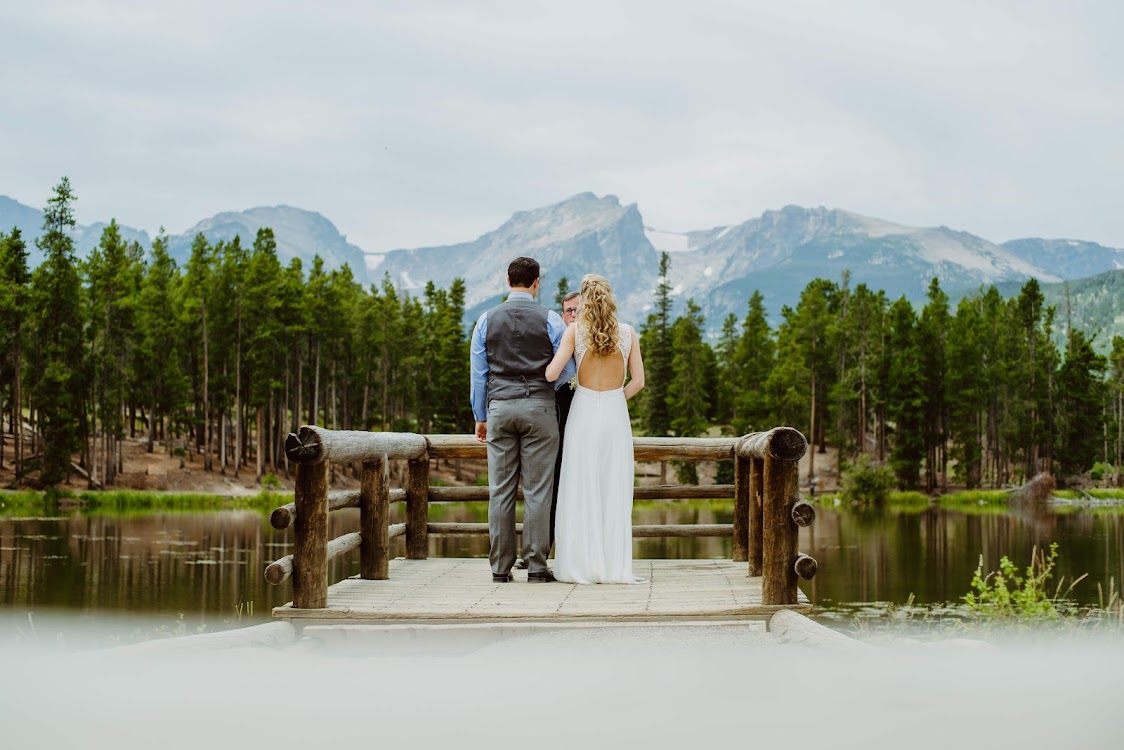
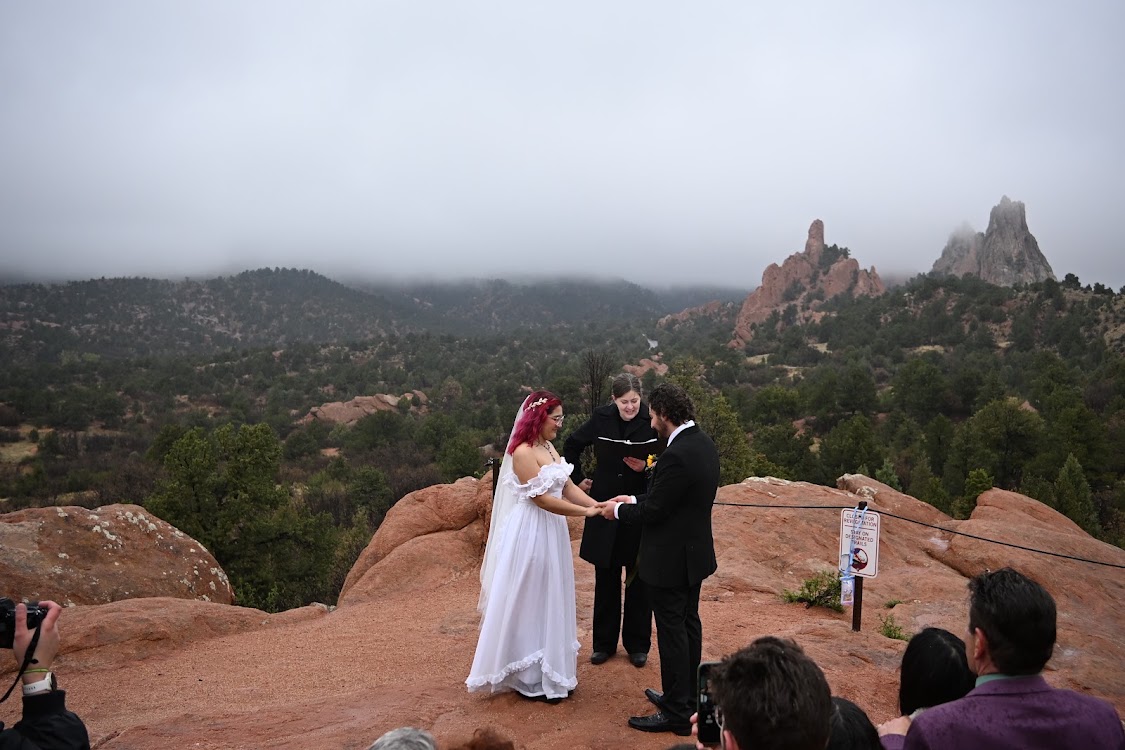
For an outdoor elopement, ask the same questions you would ask a photographer. Can they hike to your spot before dawn? Have they married couples there and do they know the permit rules? Rocky Mountain National Park wedding permits run in a two hour window that includes setup and photos, and amplified sound is restricted at most public sites, so you want someone who keeps a ceremony tight and can be heard over a breeze without a microphone.
Finally, ask about travel and the weather plan. Many officiants are based in Denver and travel statewide, often for a fee. Browse by region below, start with officiants based near your ceremony, and tap the heart to save the ones you like to your planner.