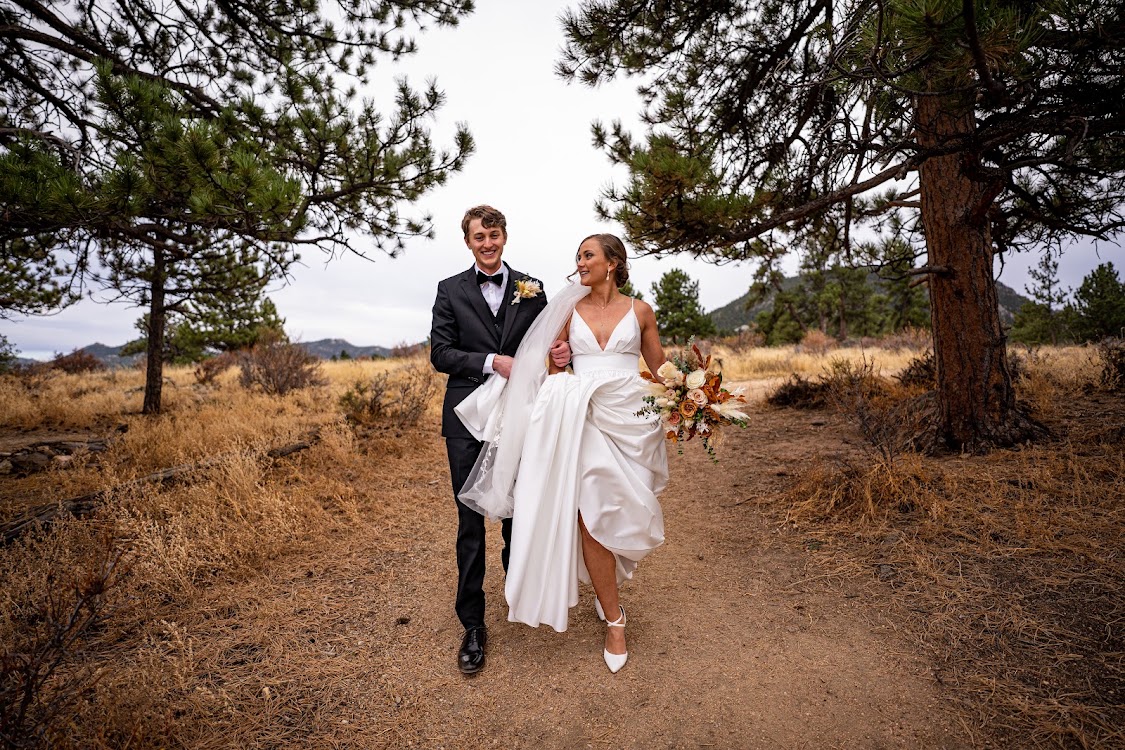
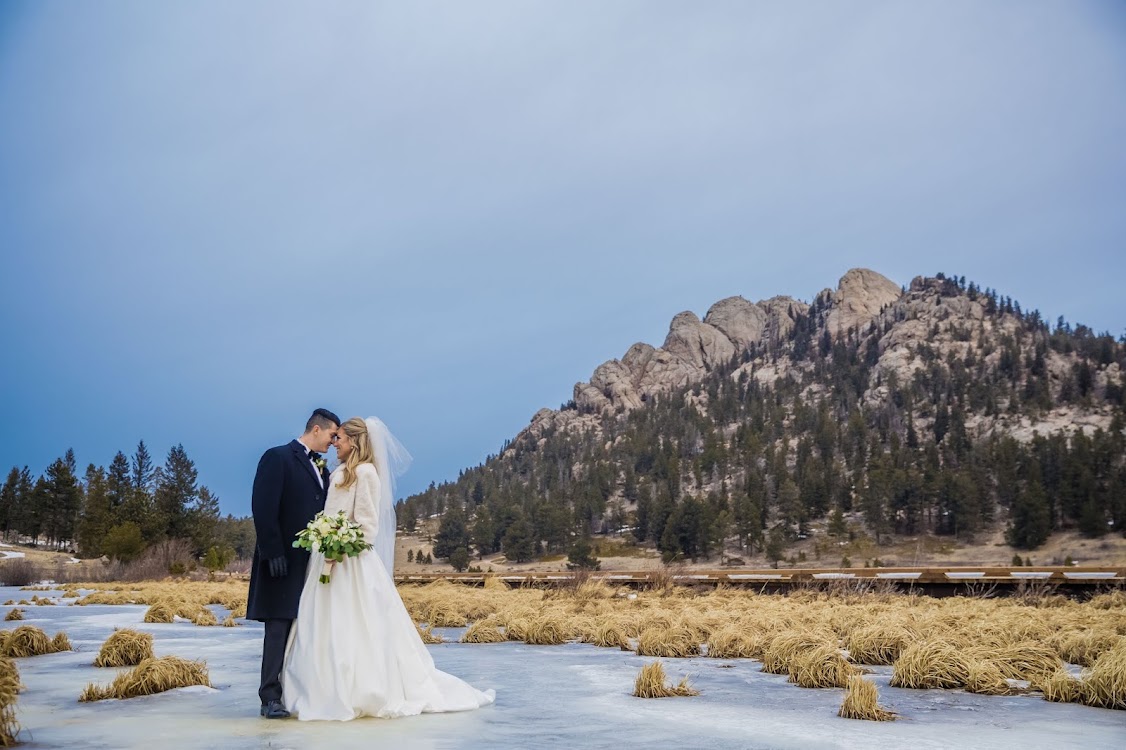
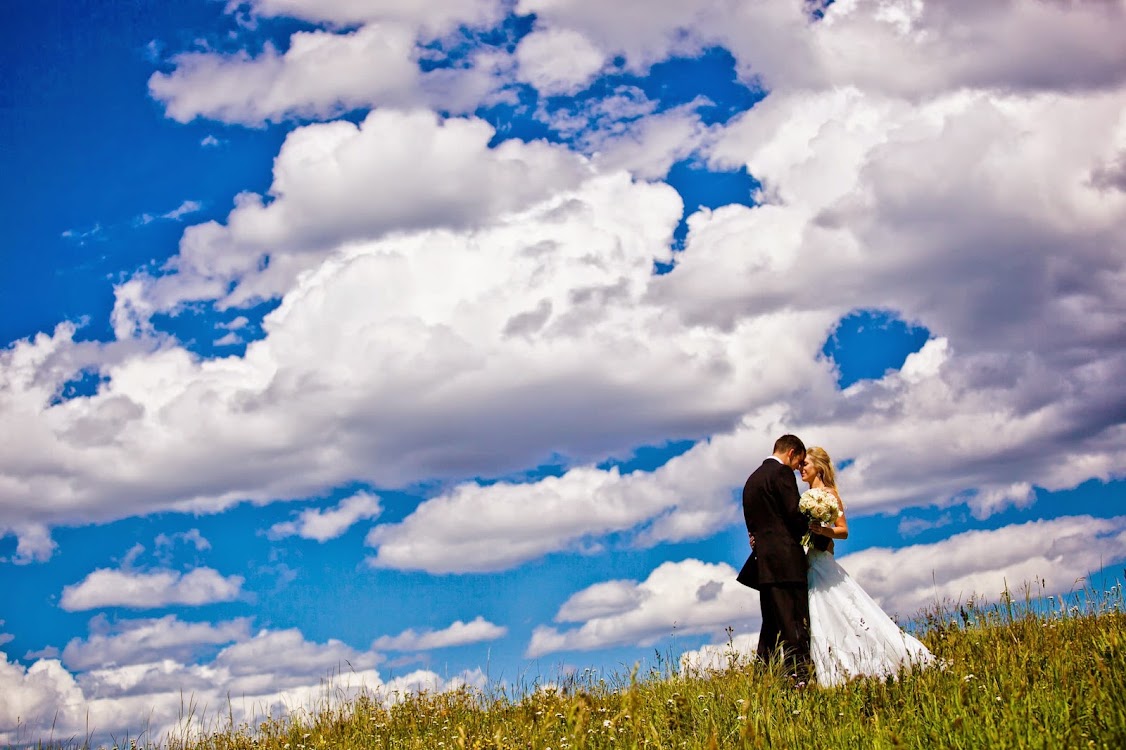
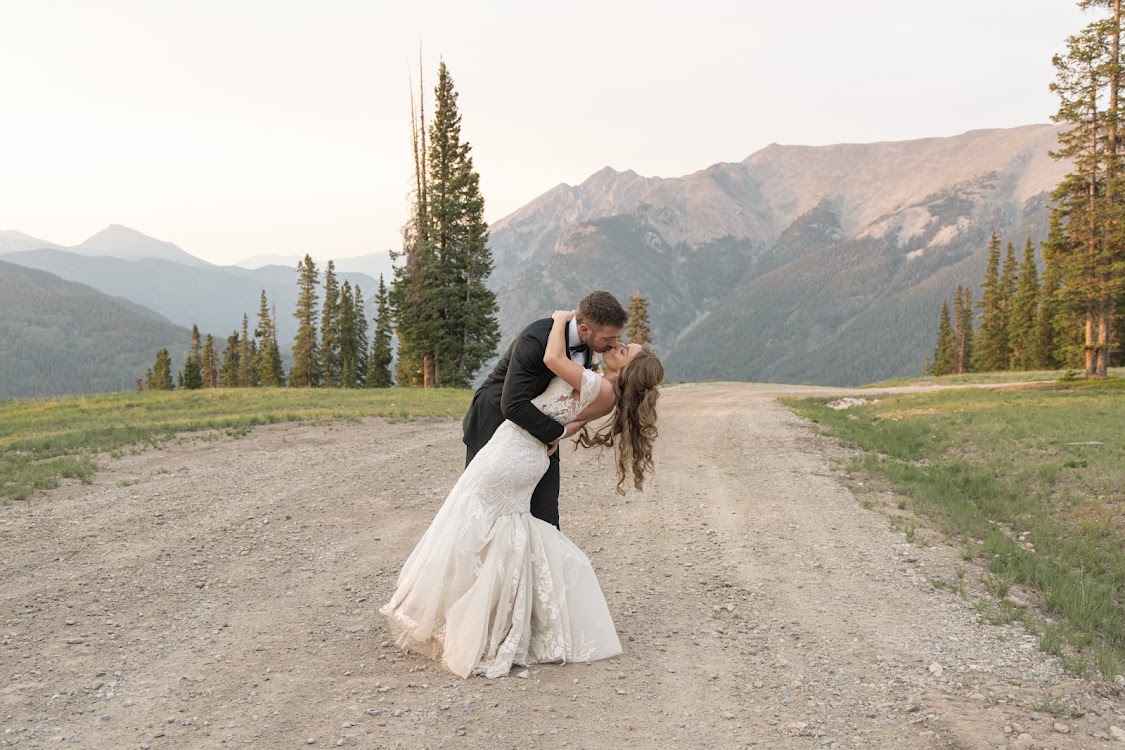
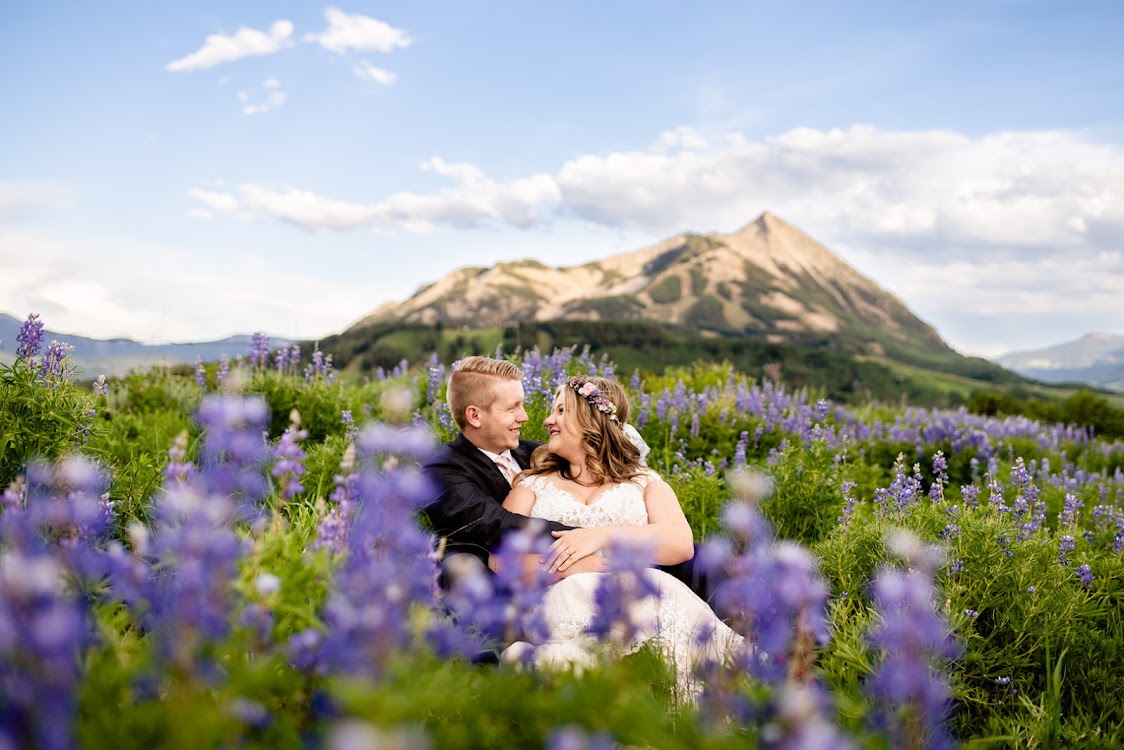
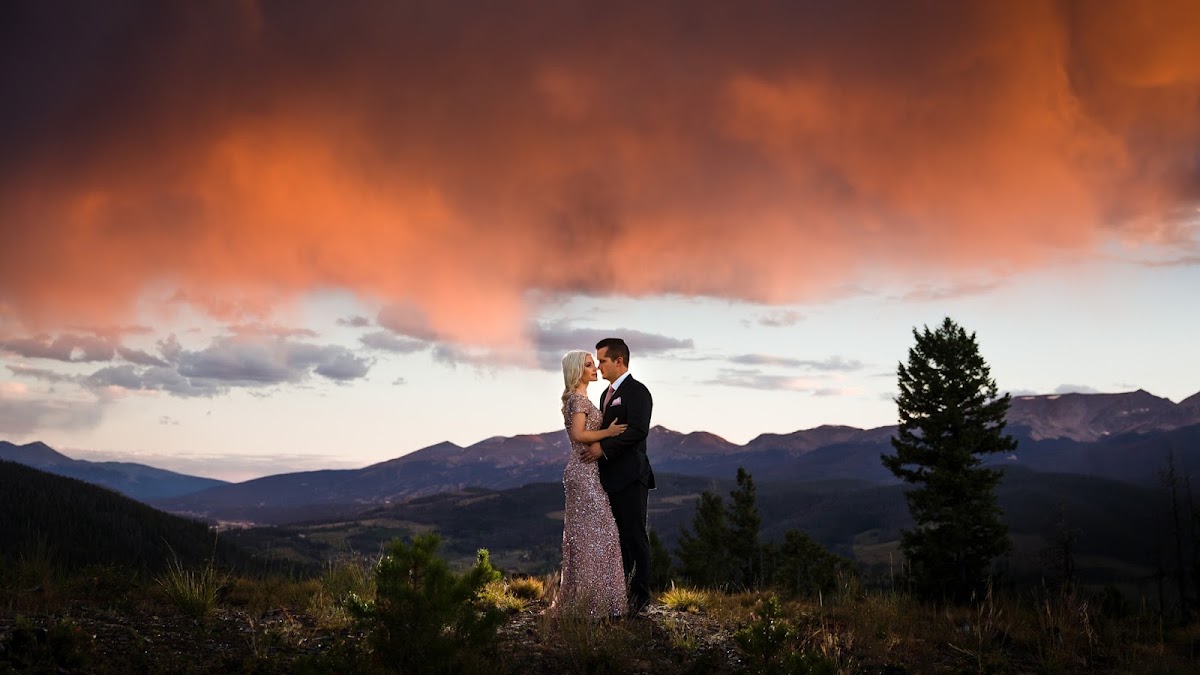
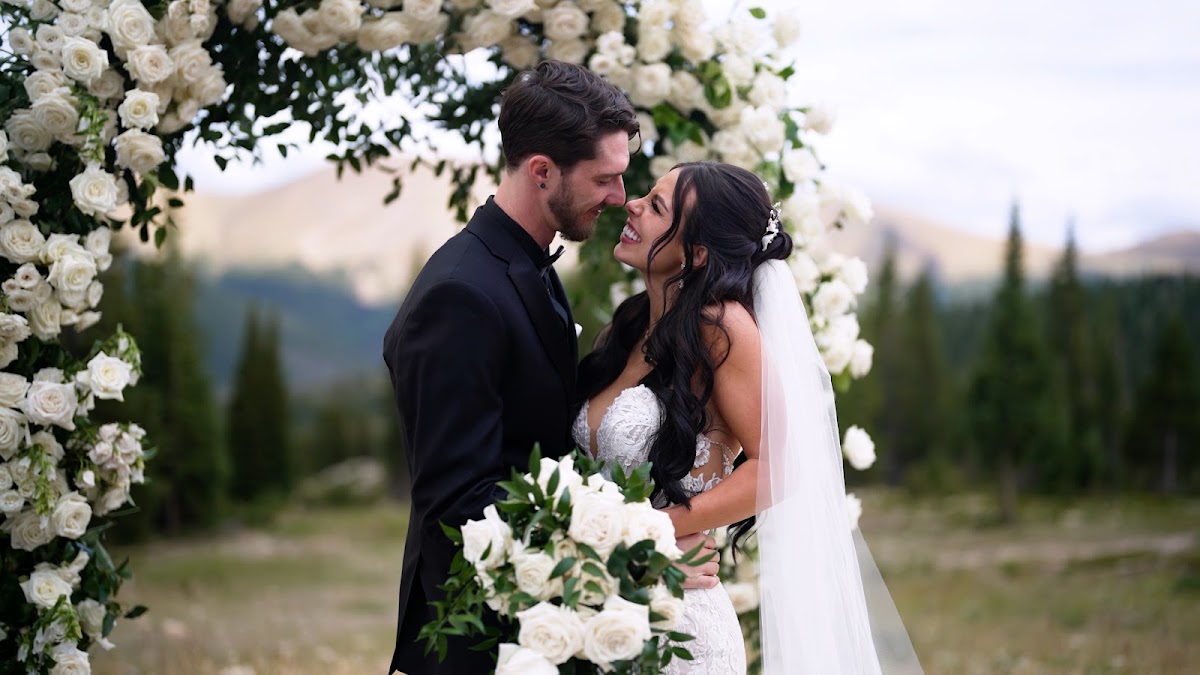
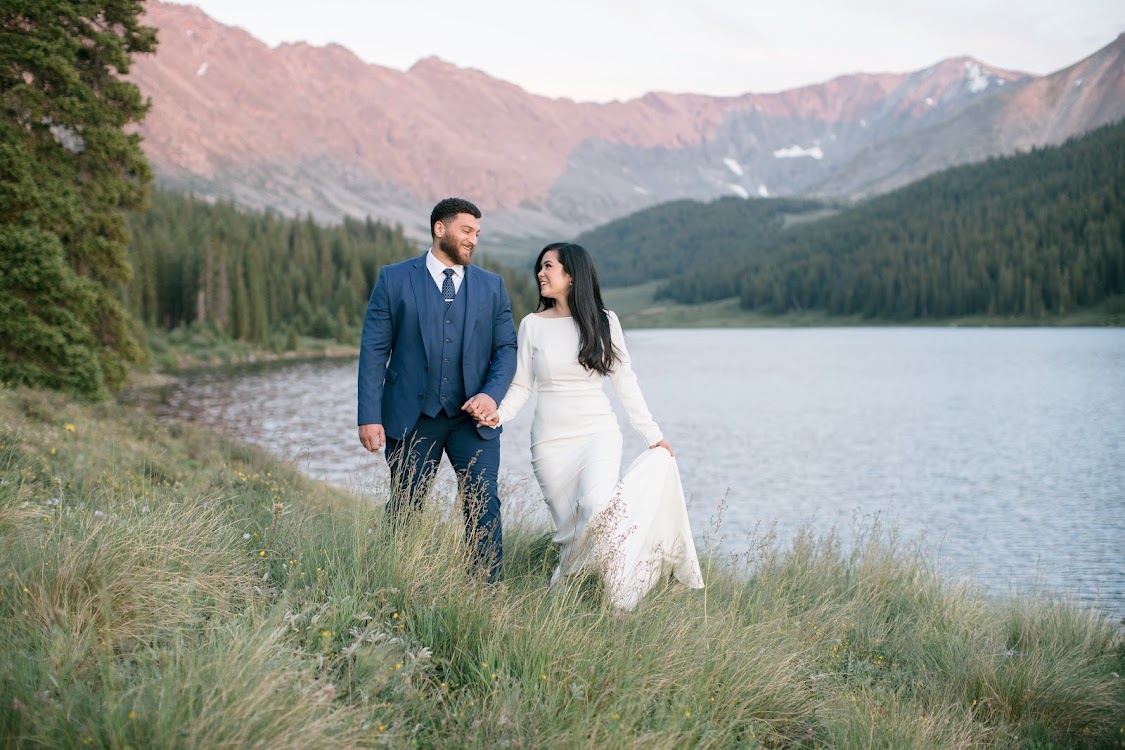
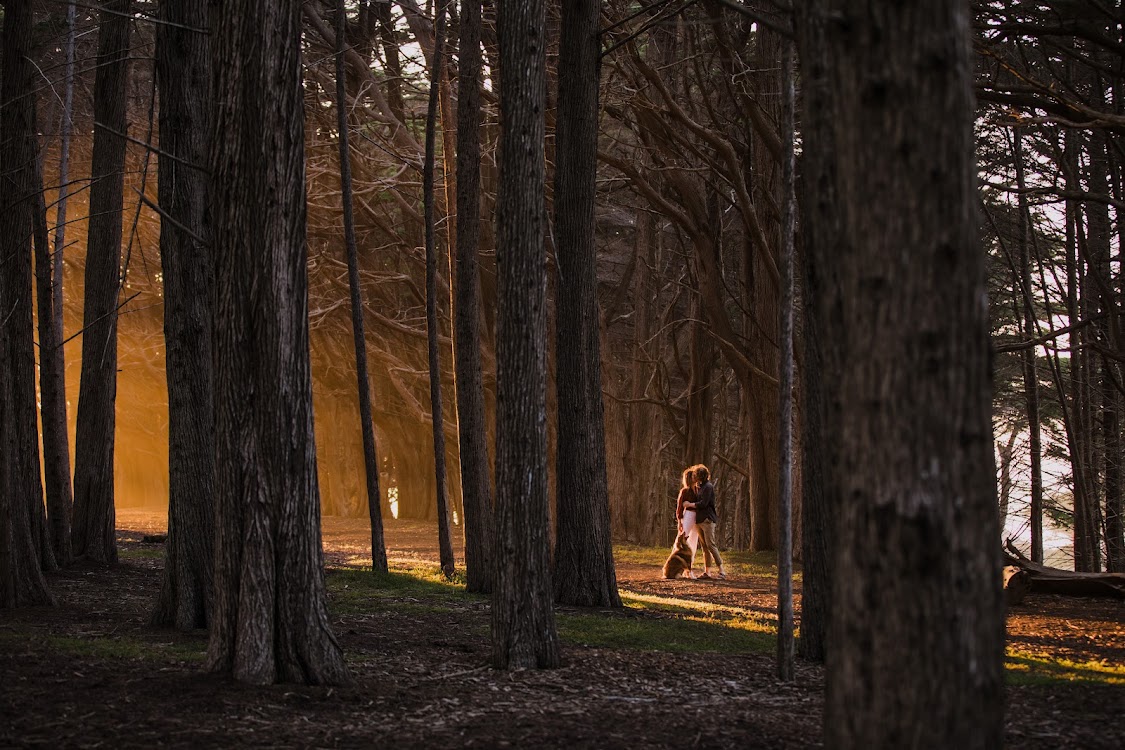
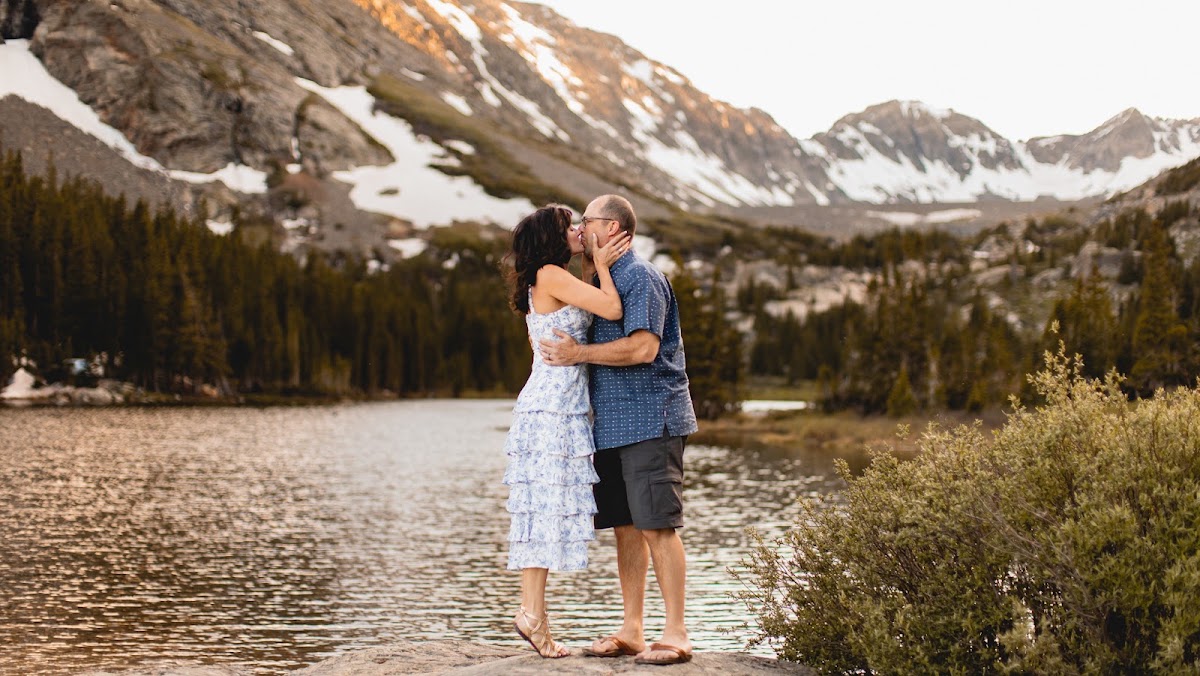
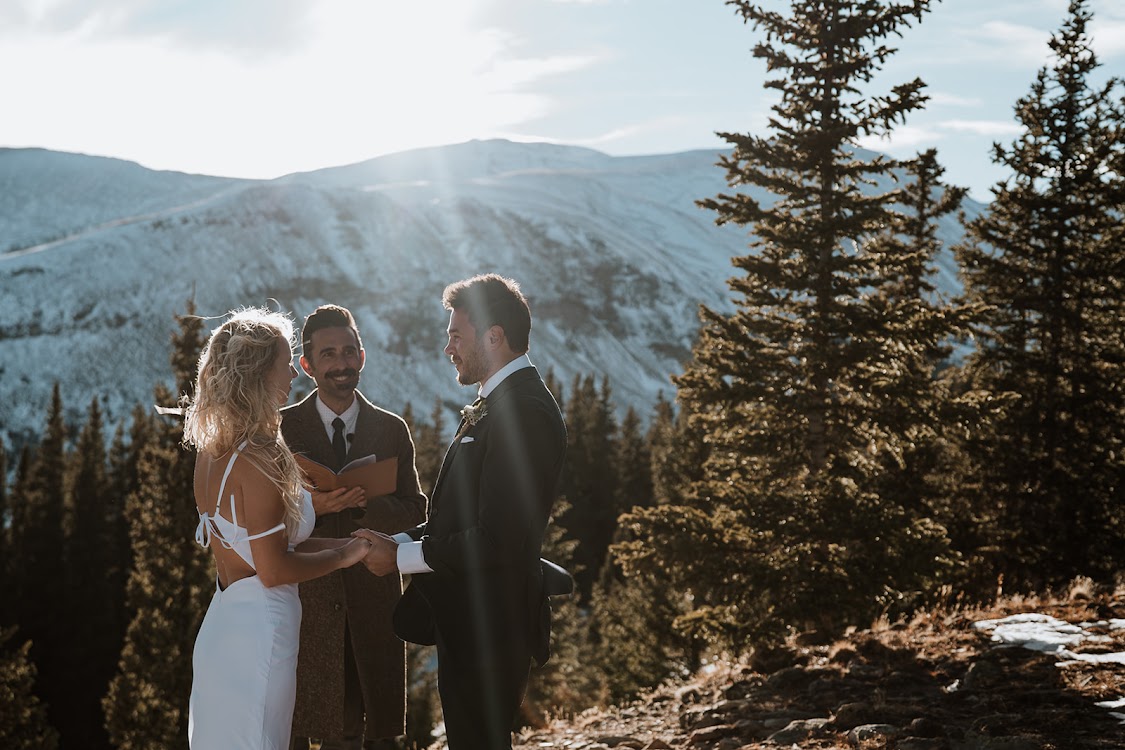
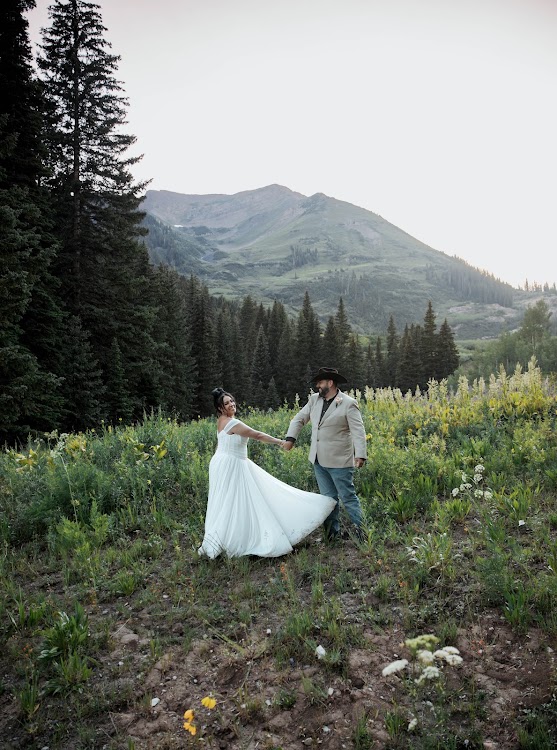
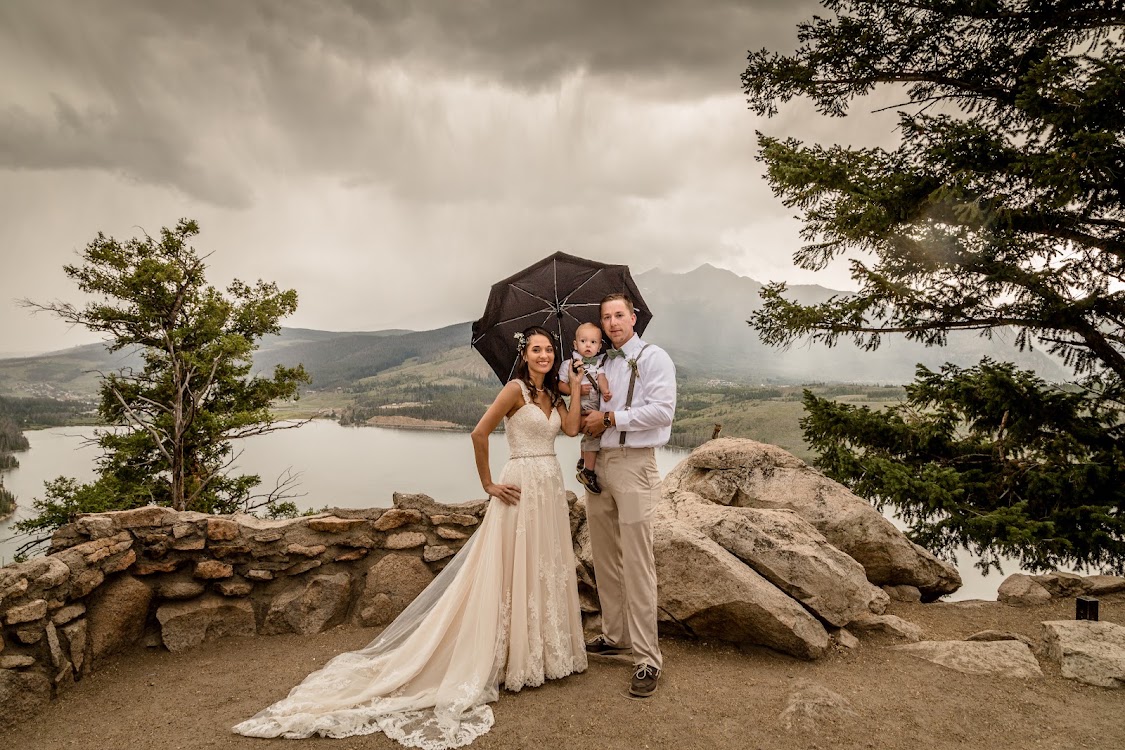
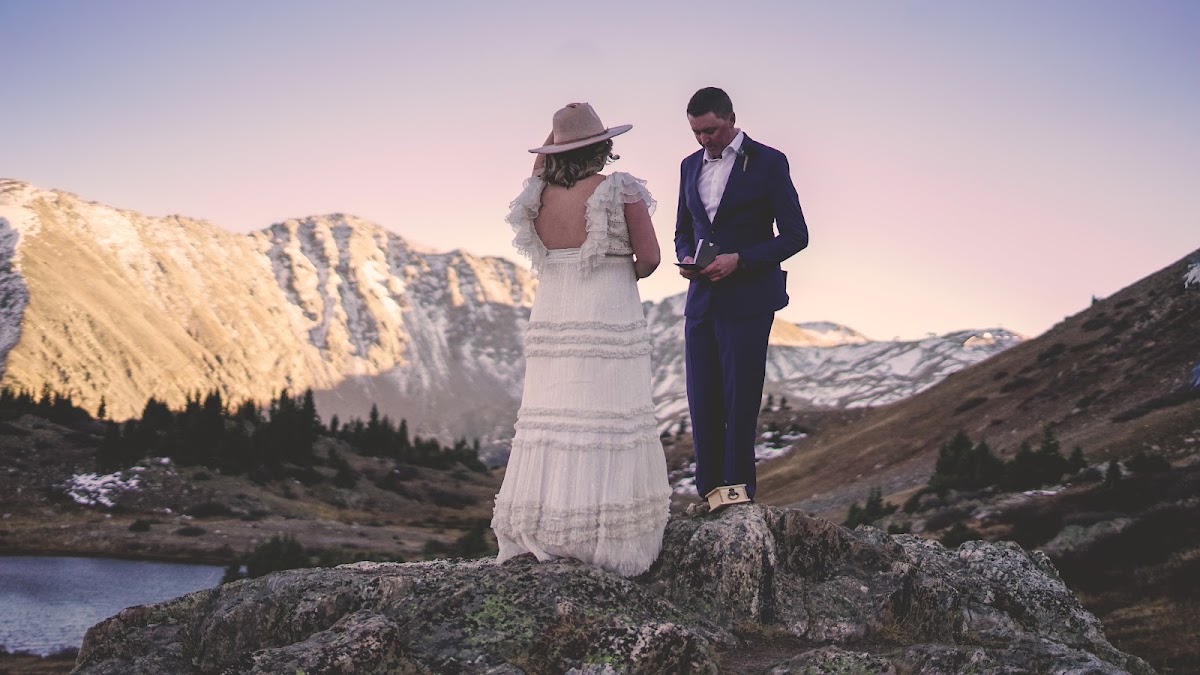
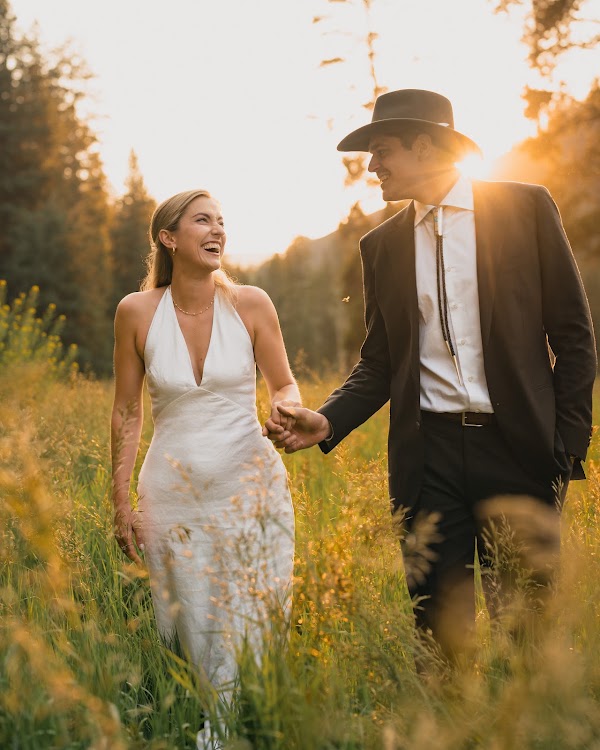
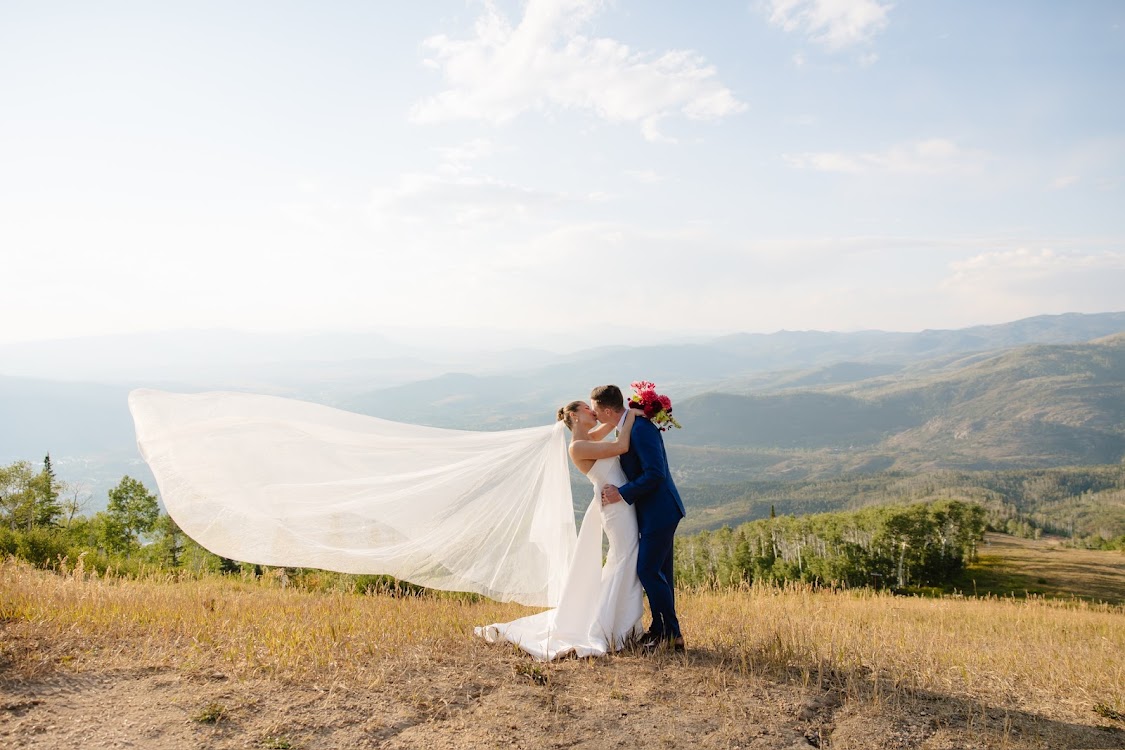
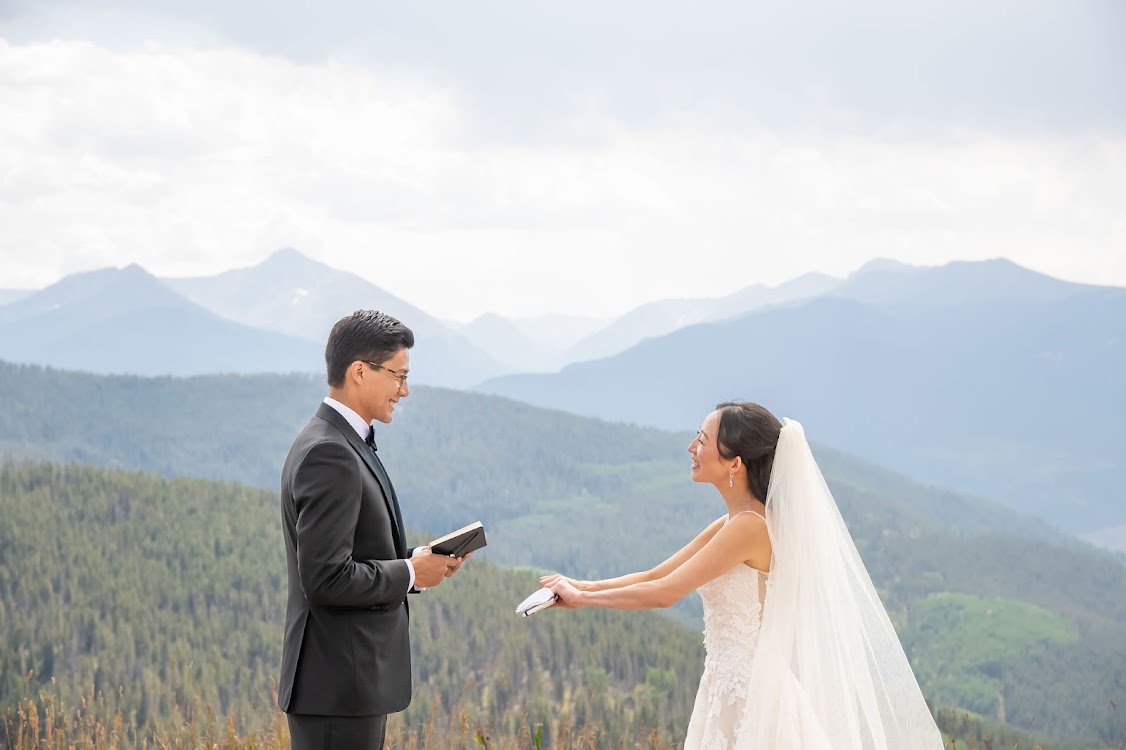
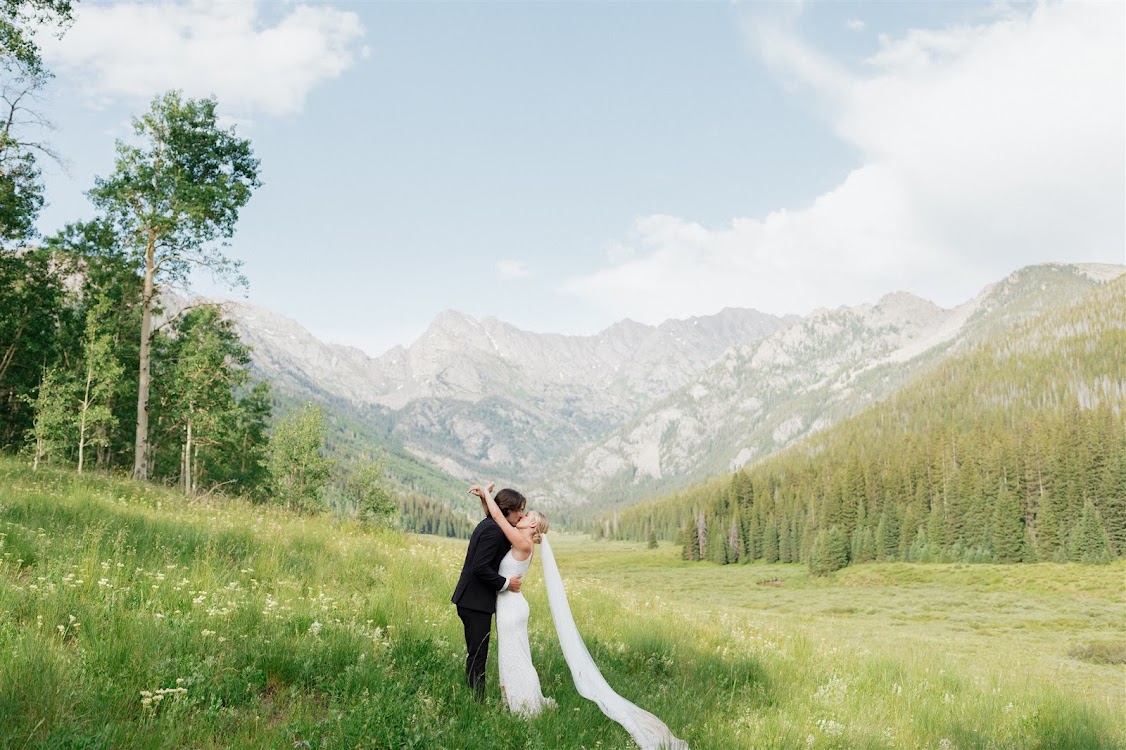
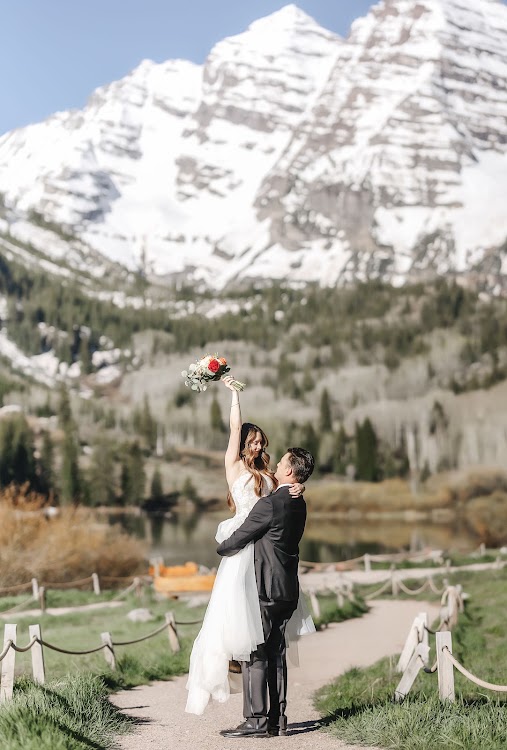
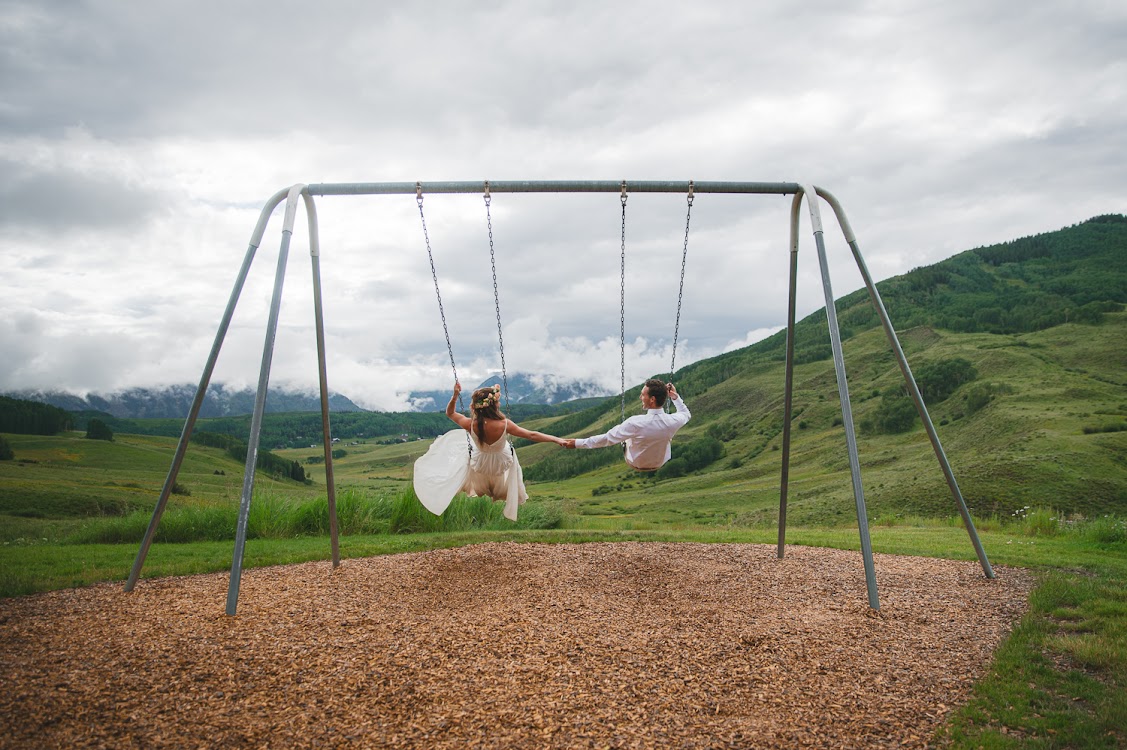
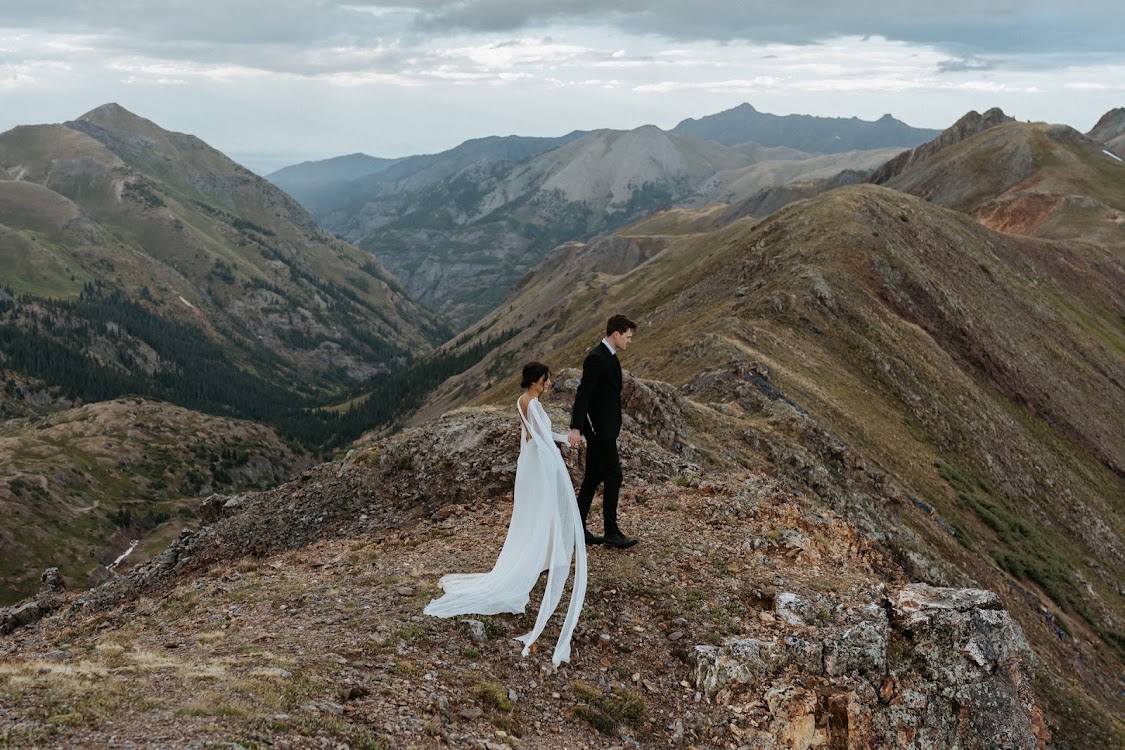
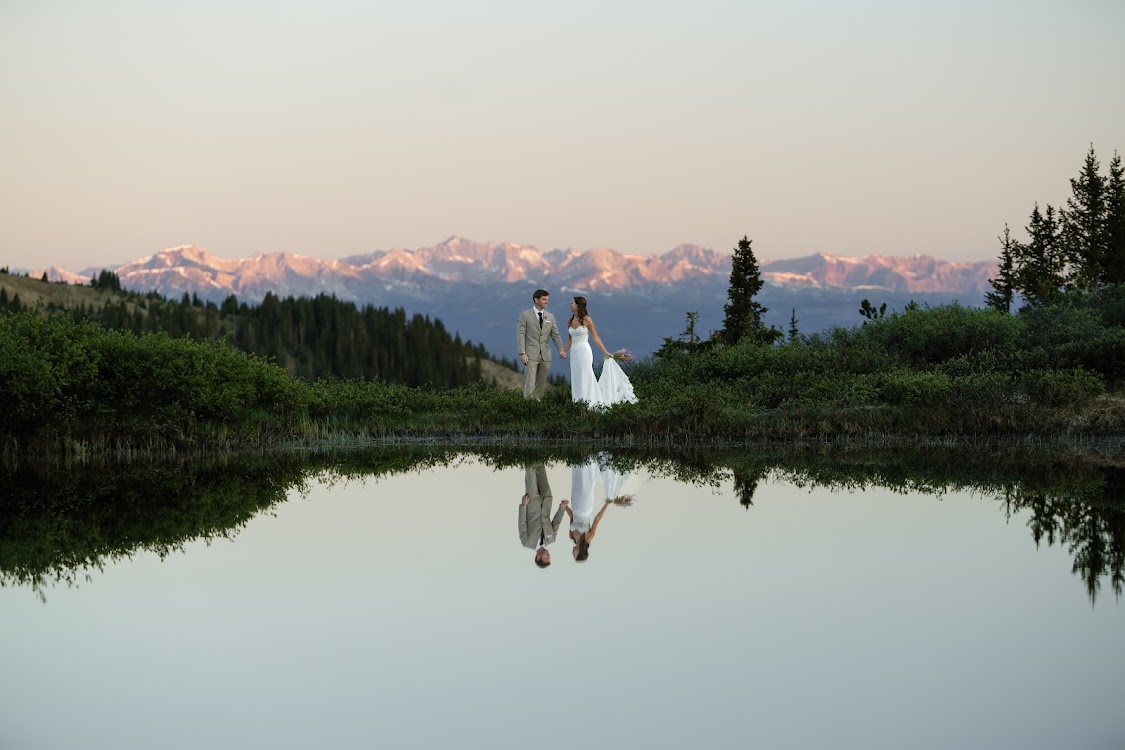
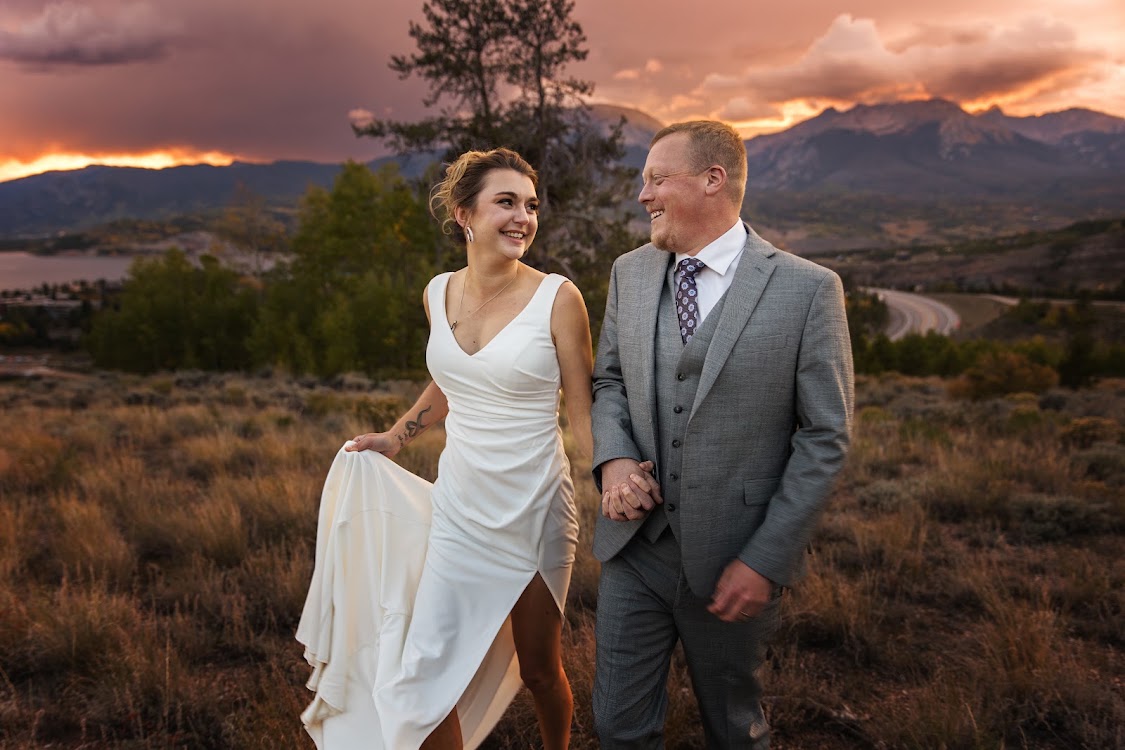
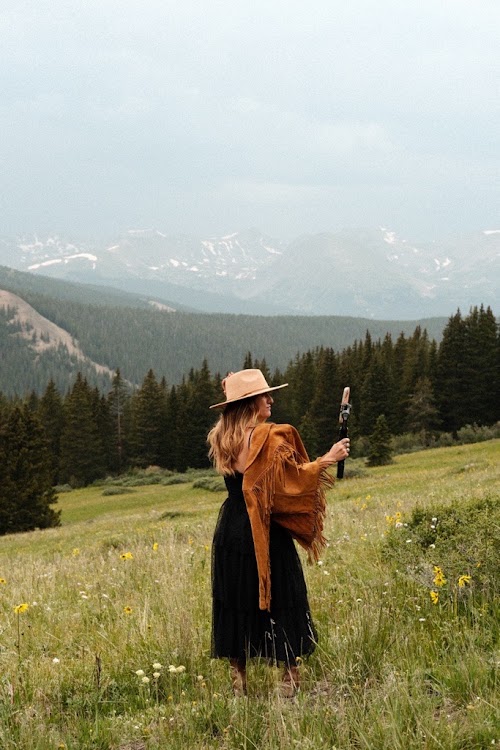
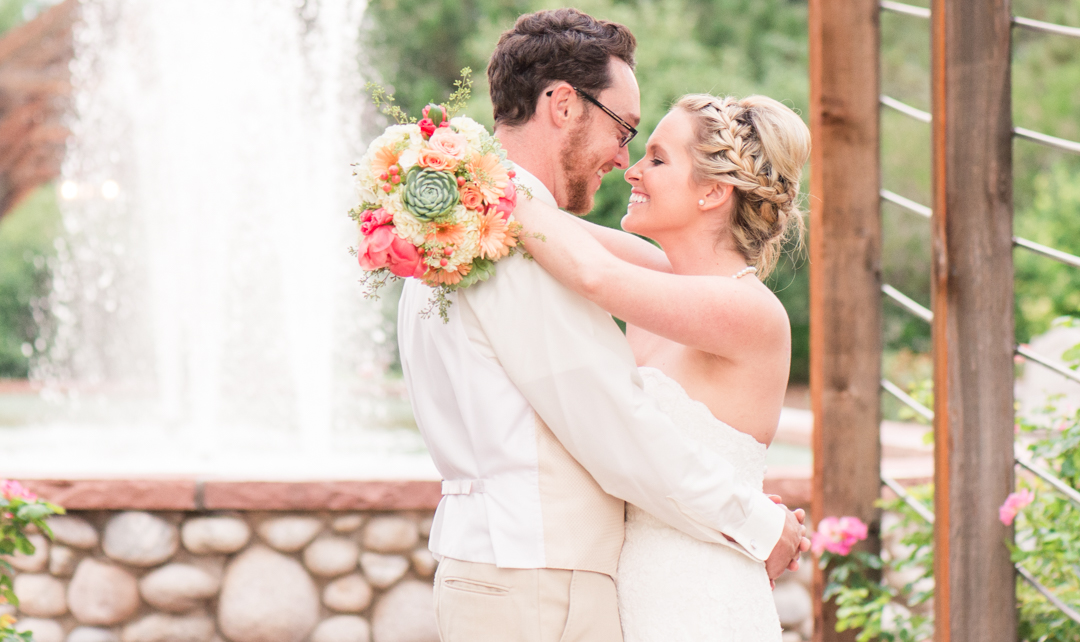
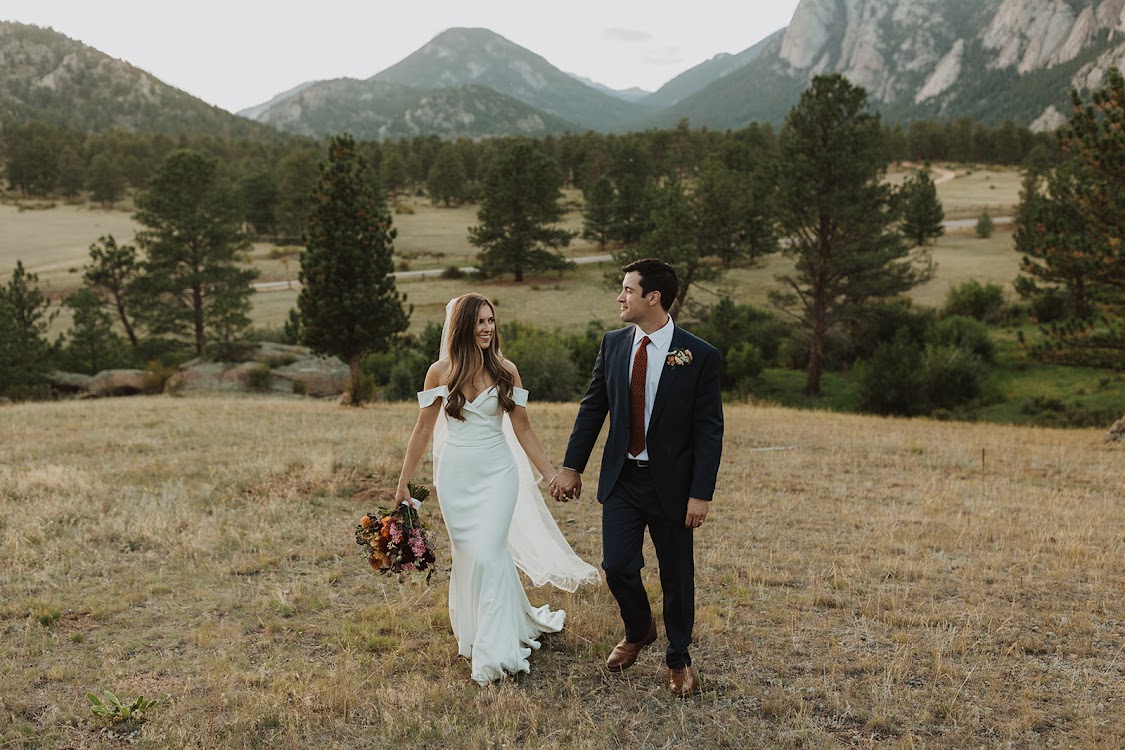
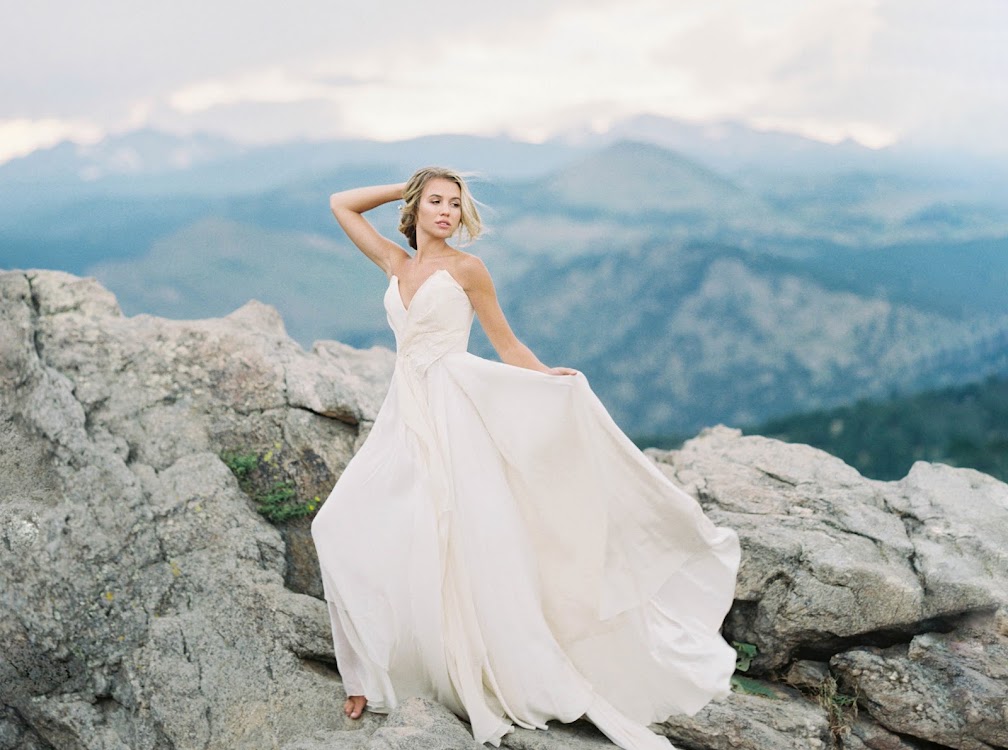
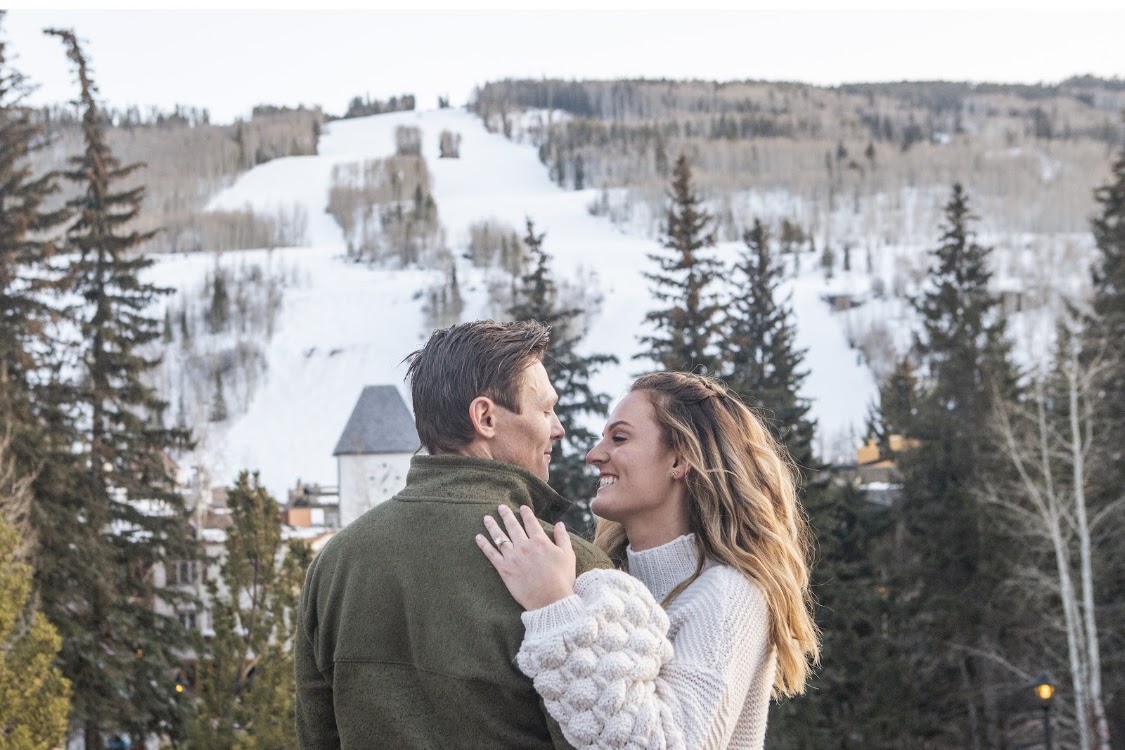
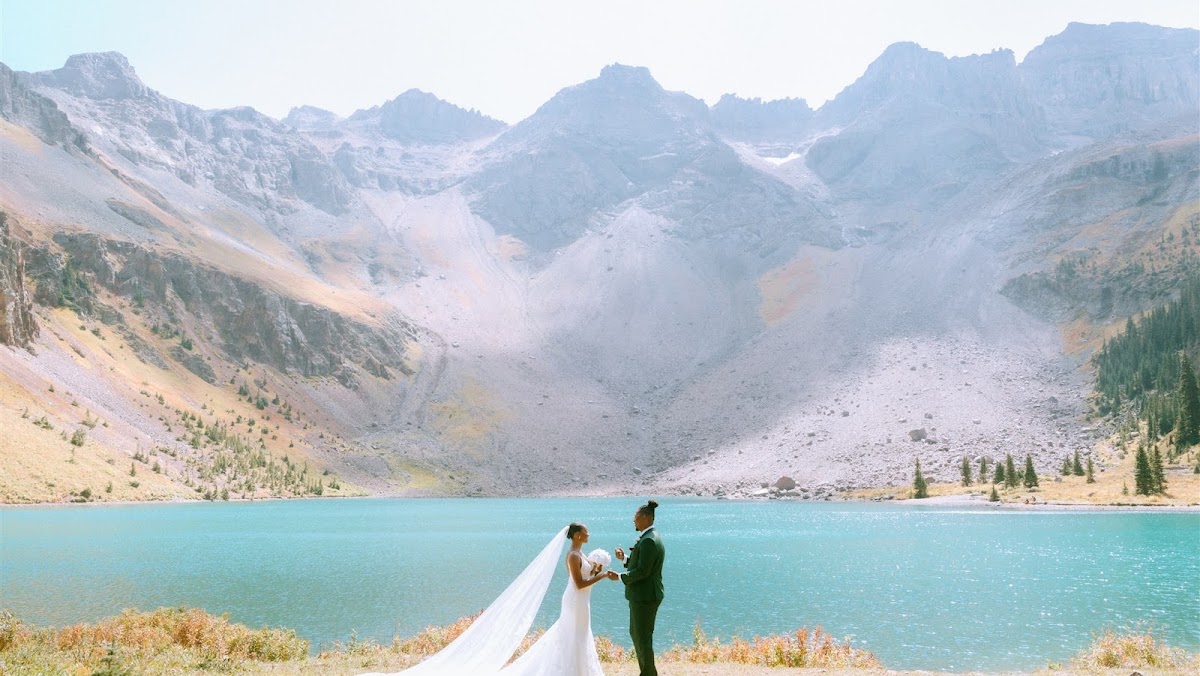
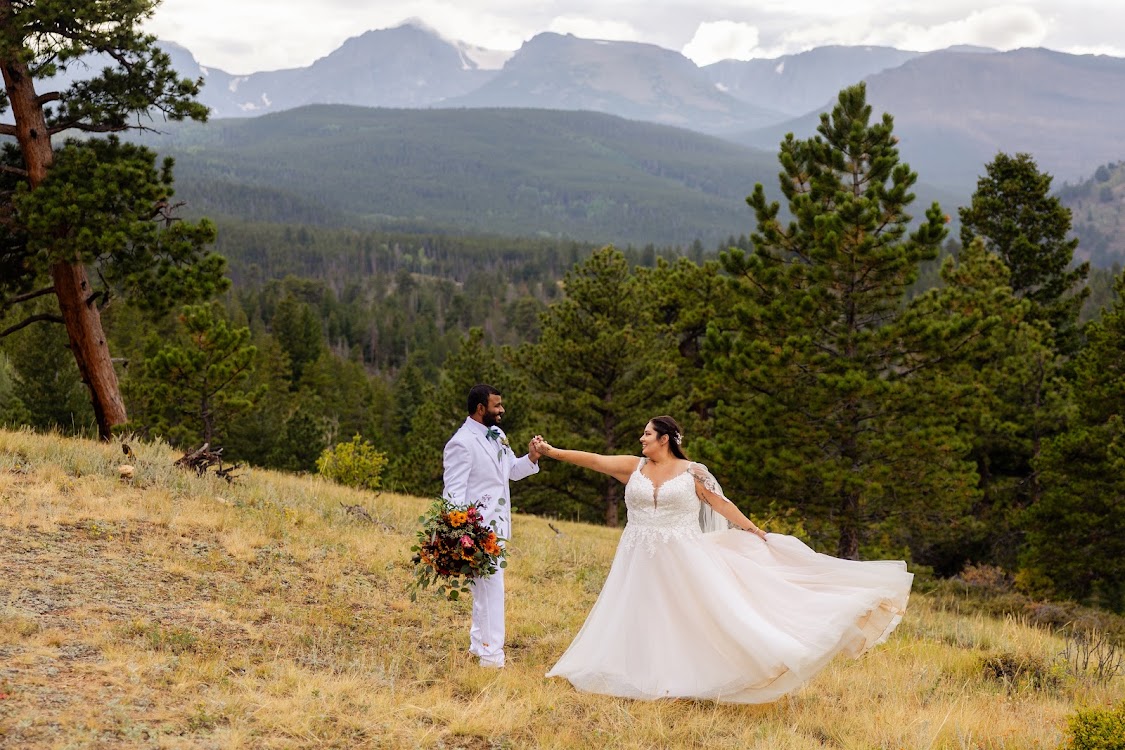
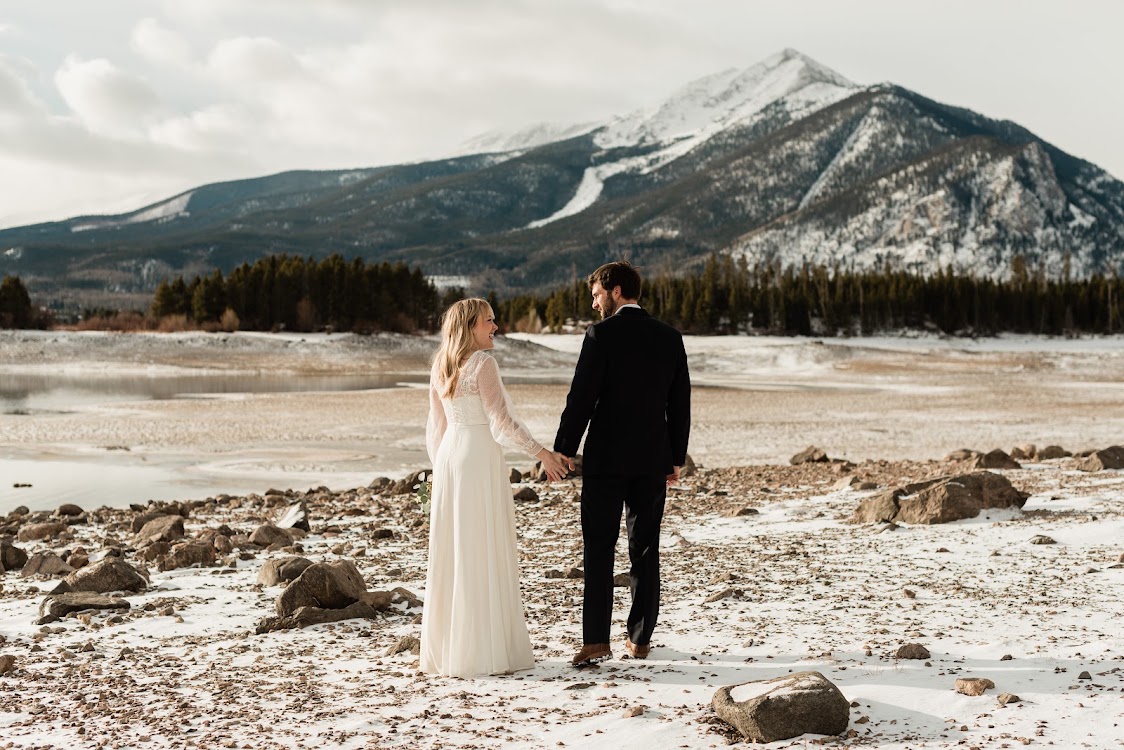
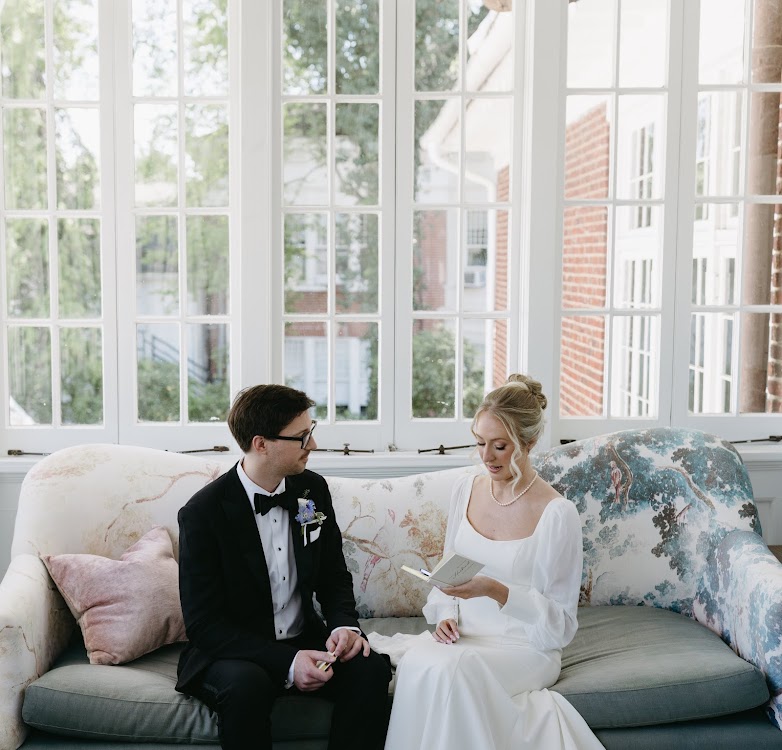
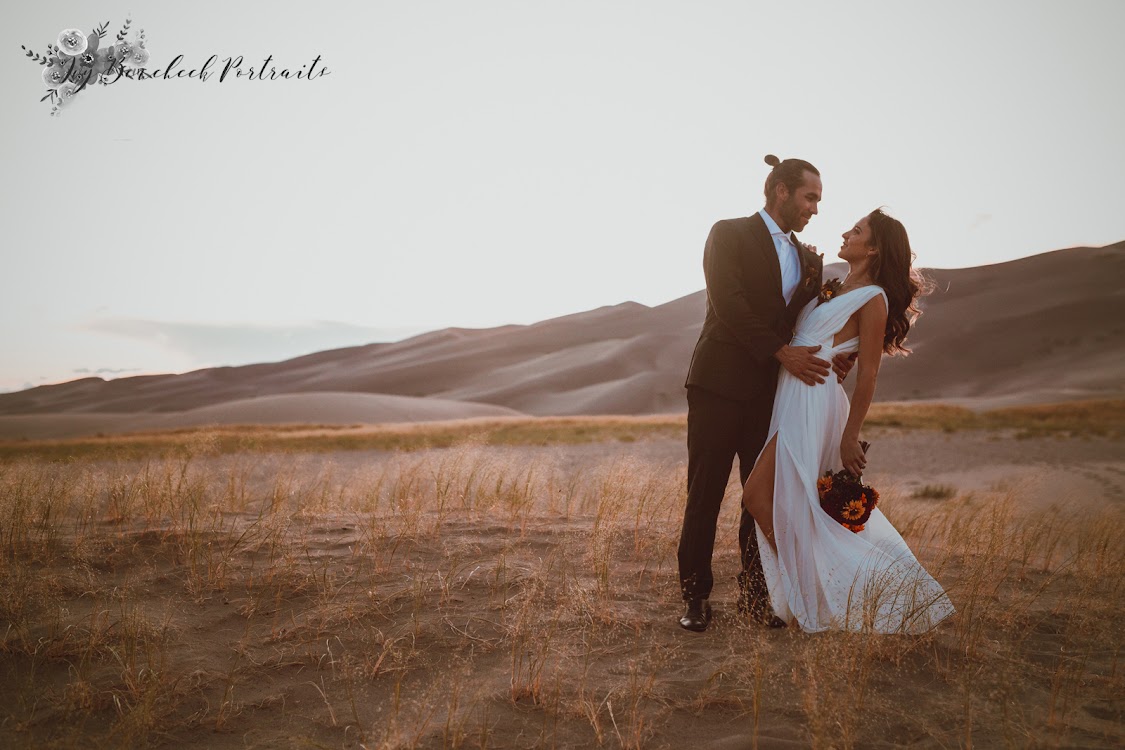
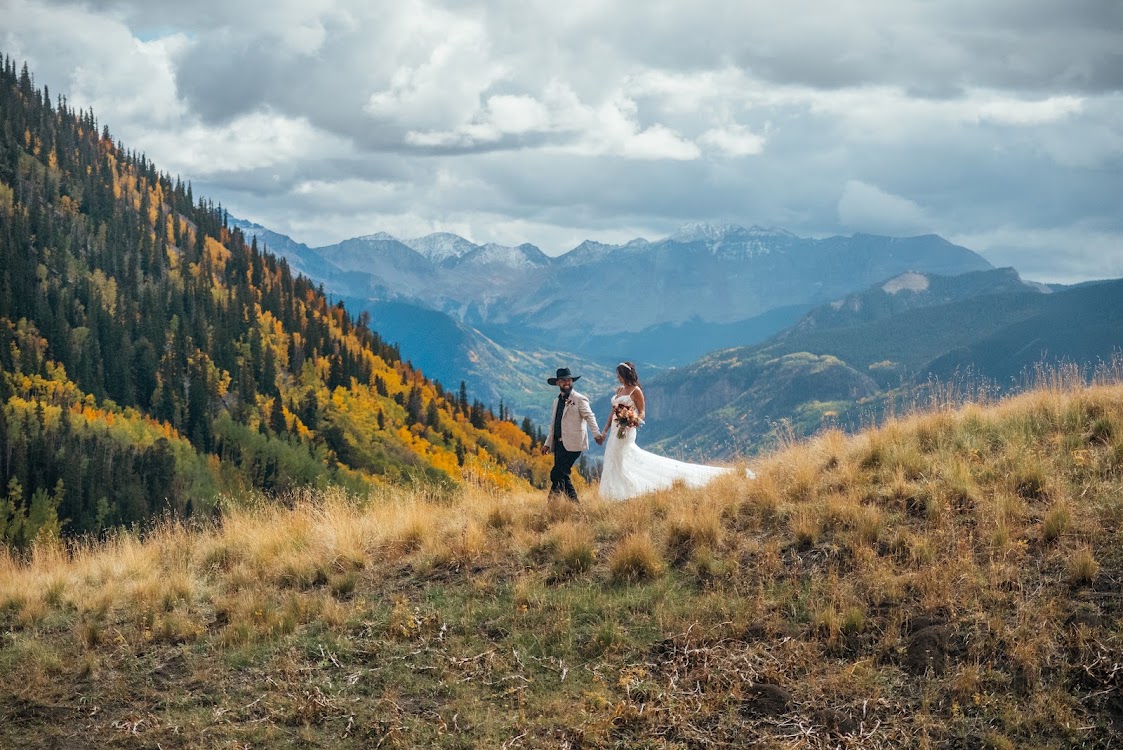
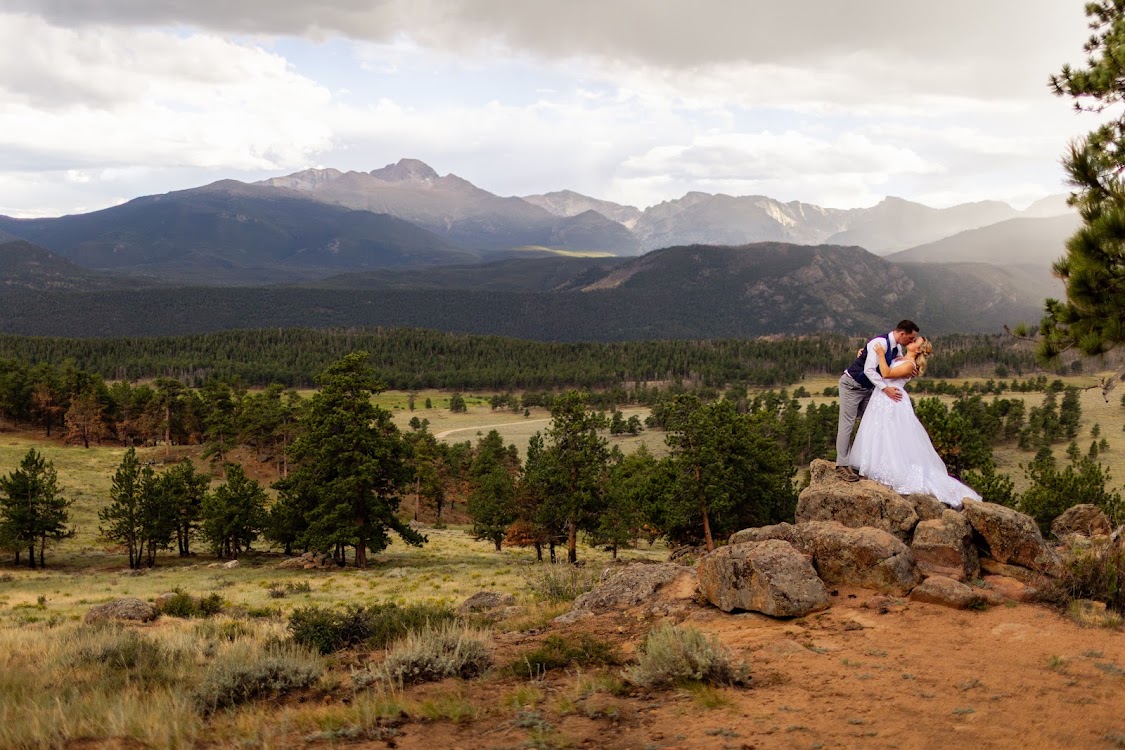
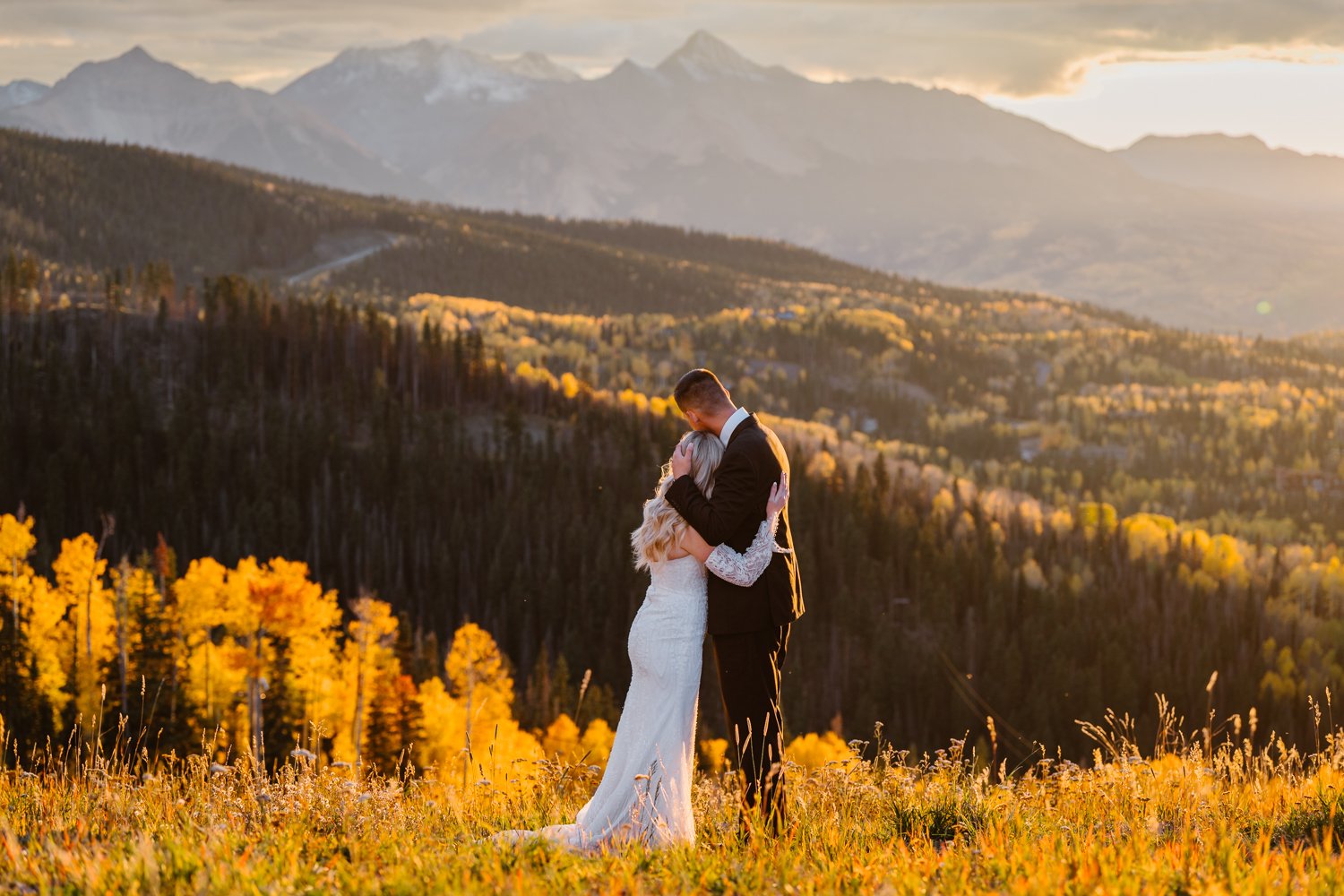
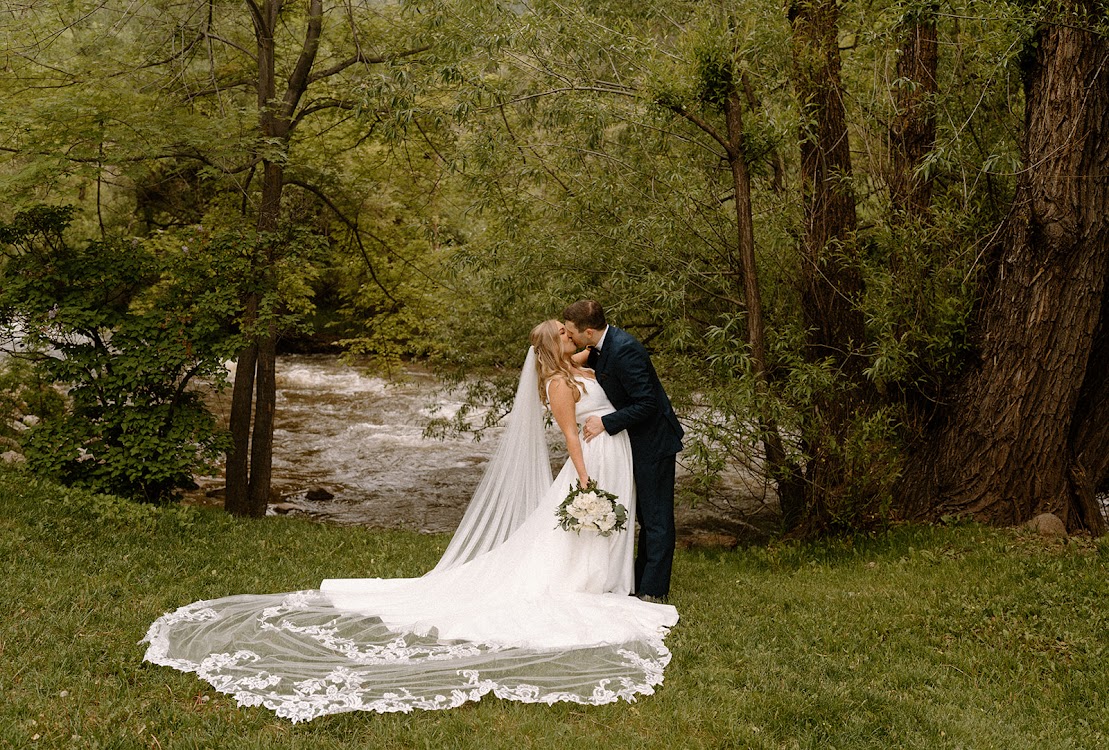
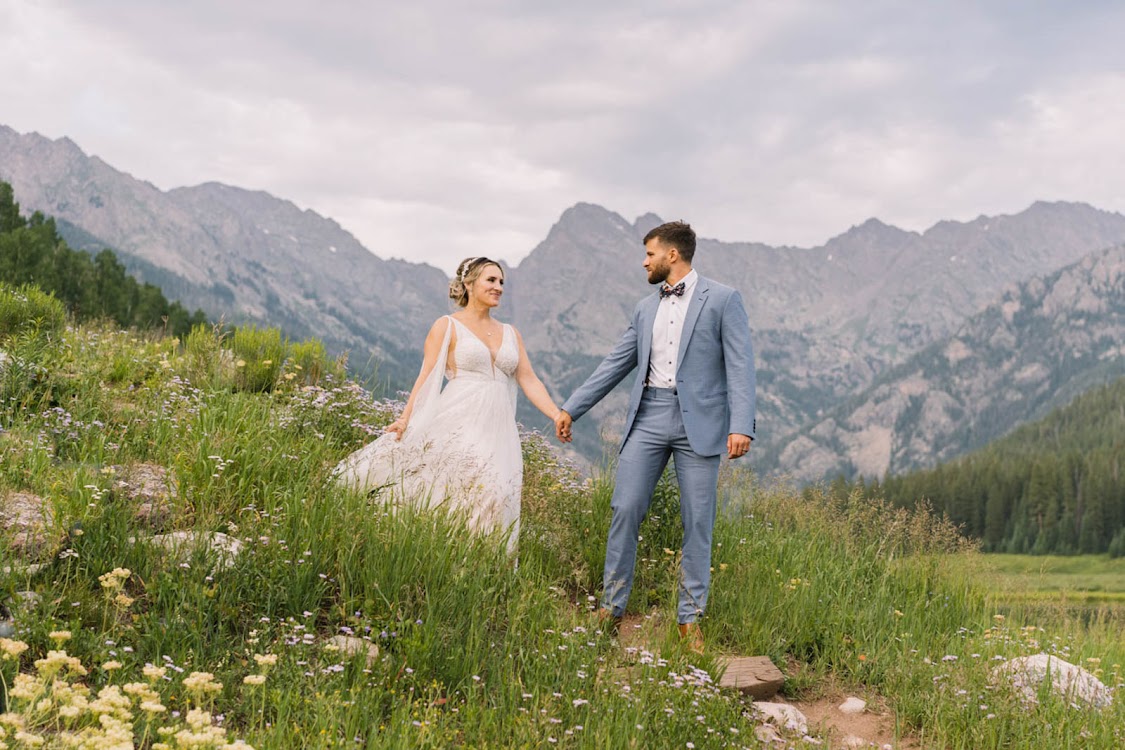
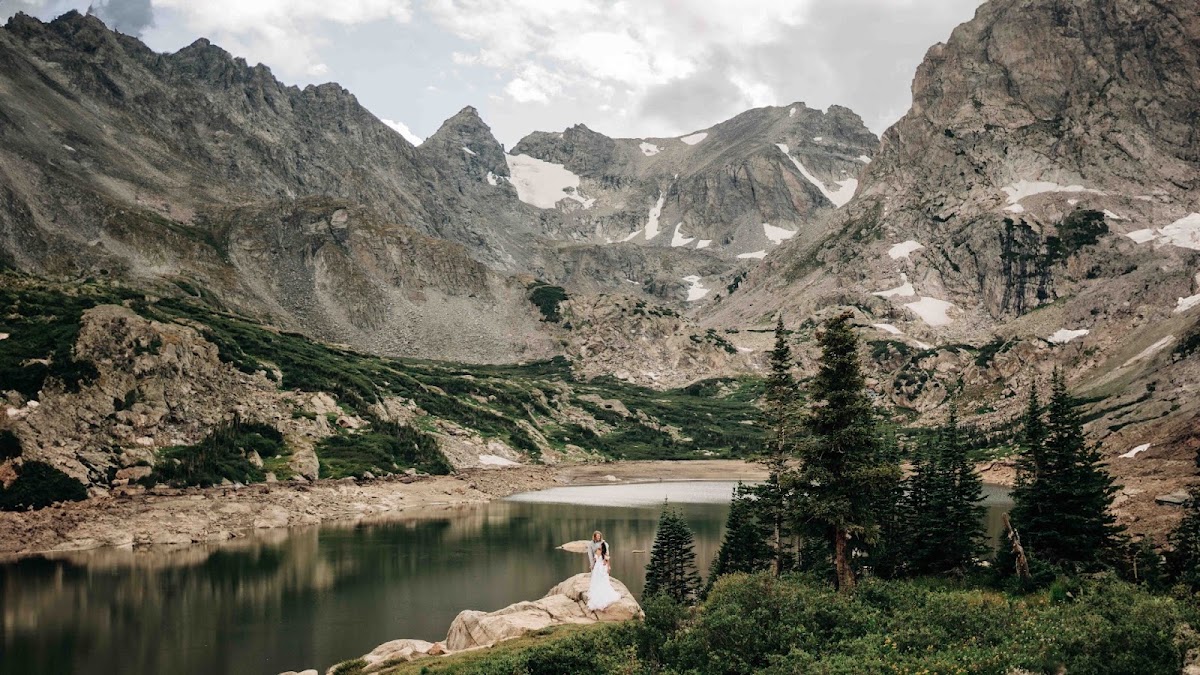
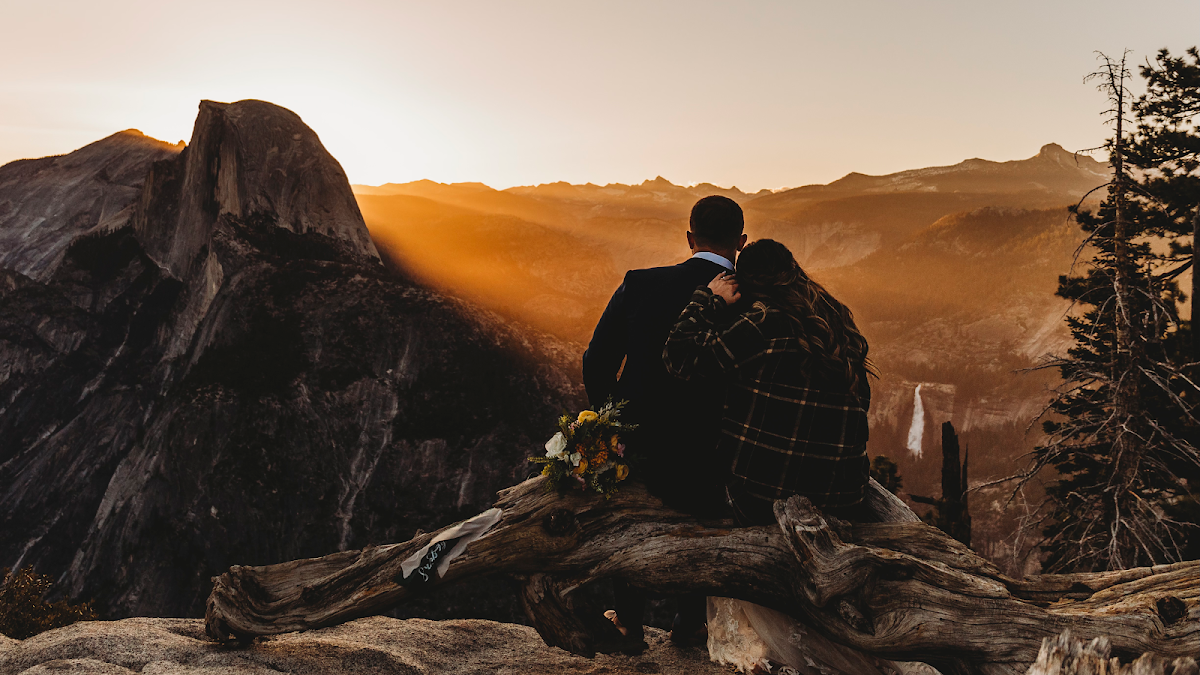
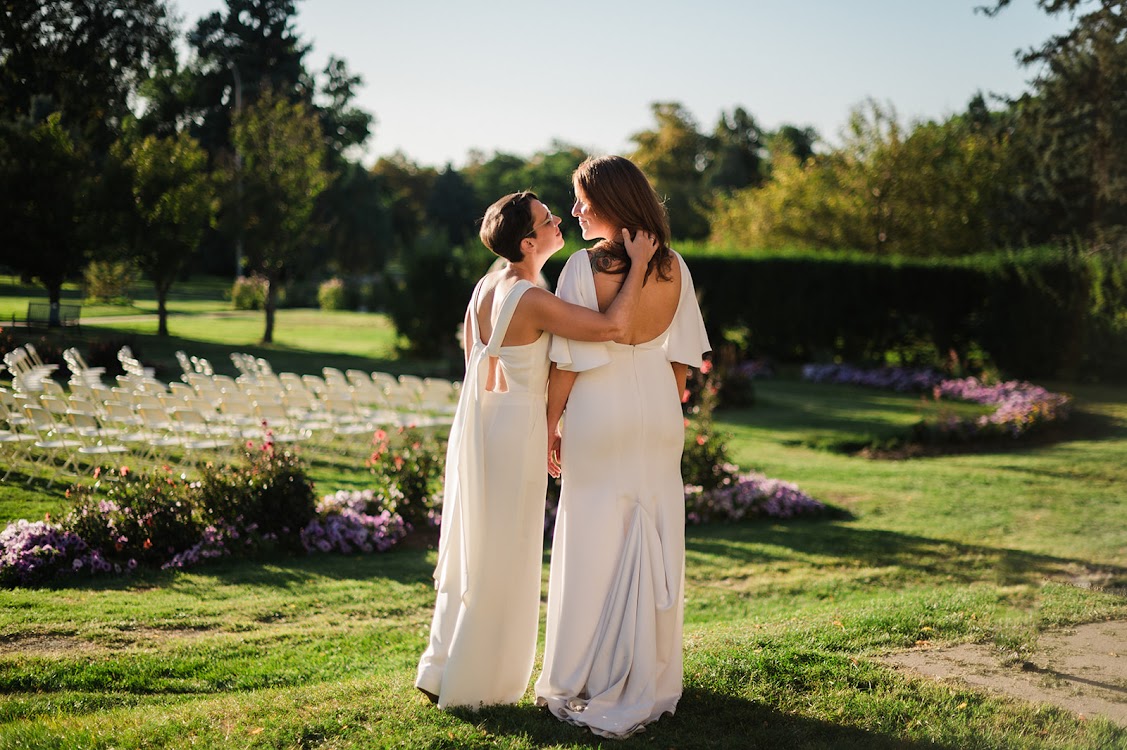
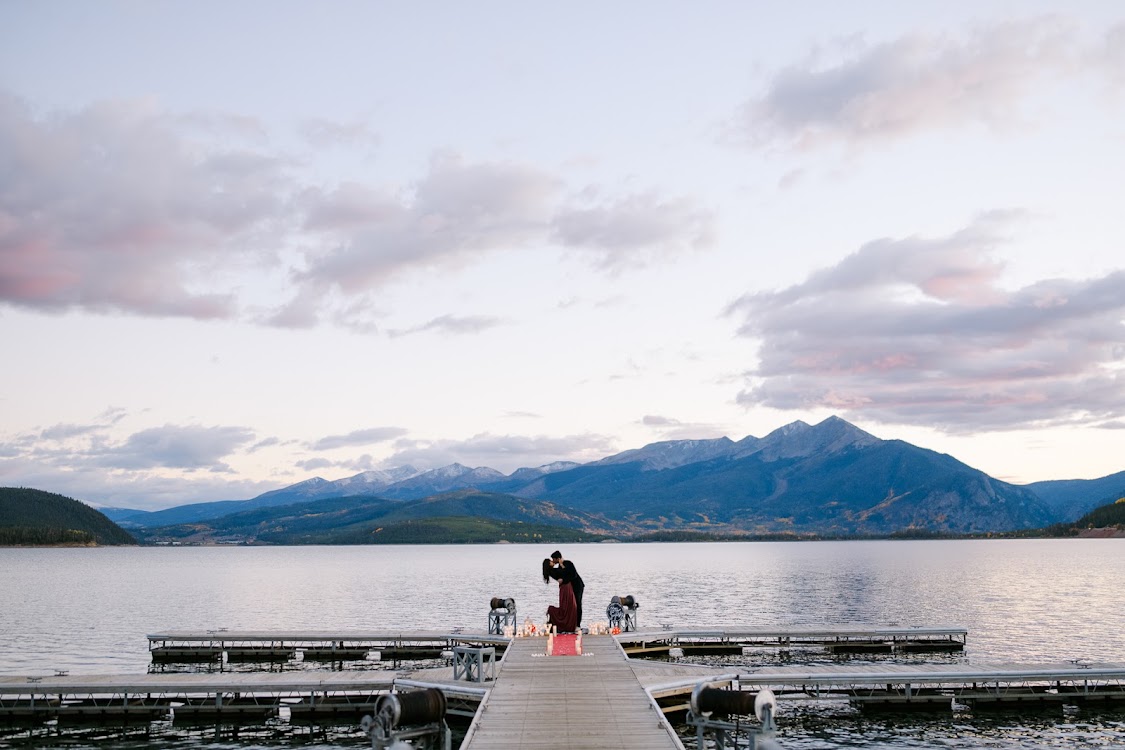
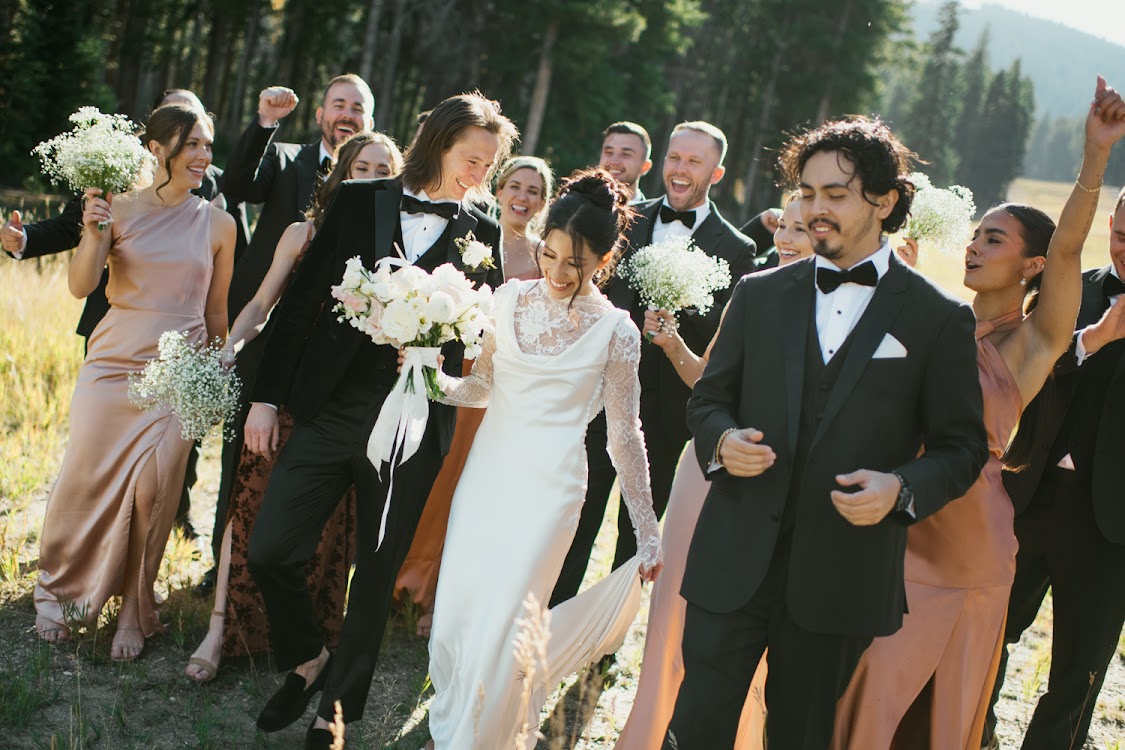
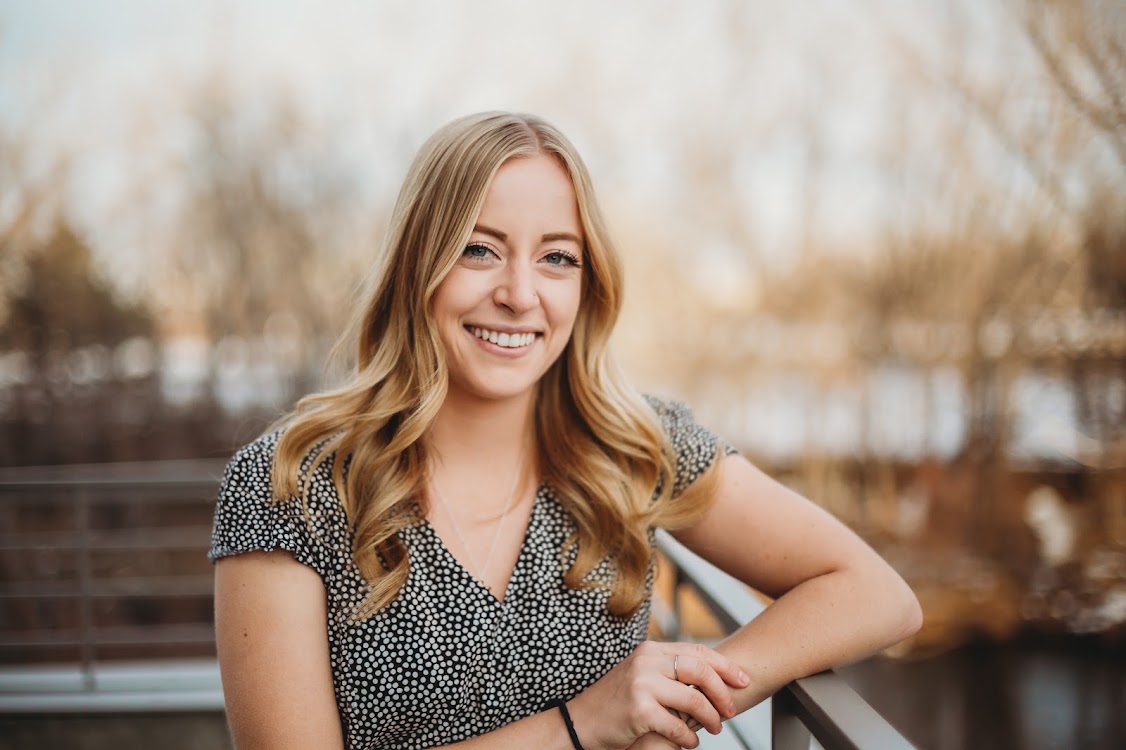
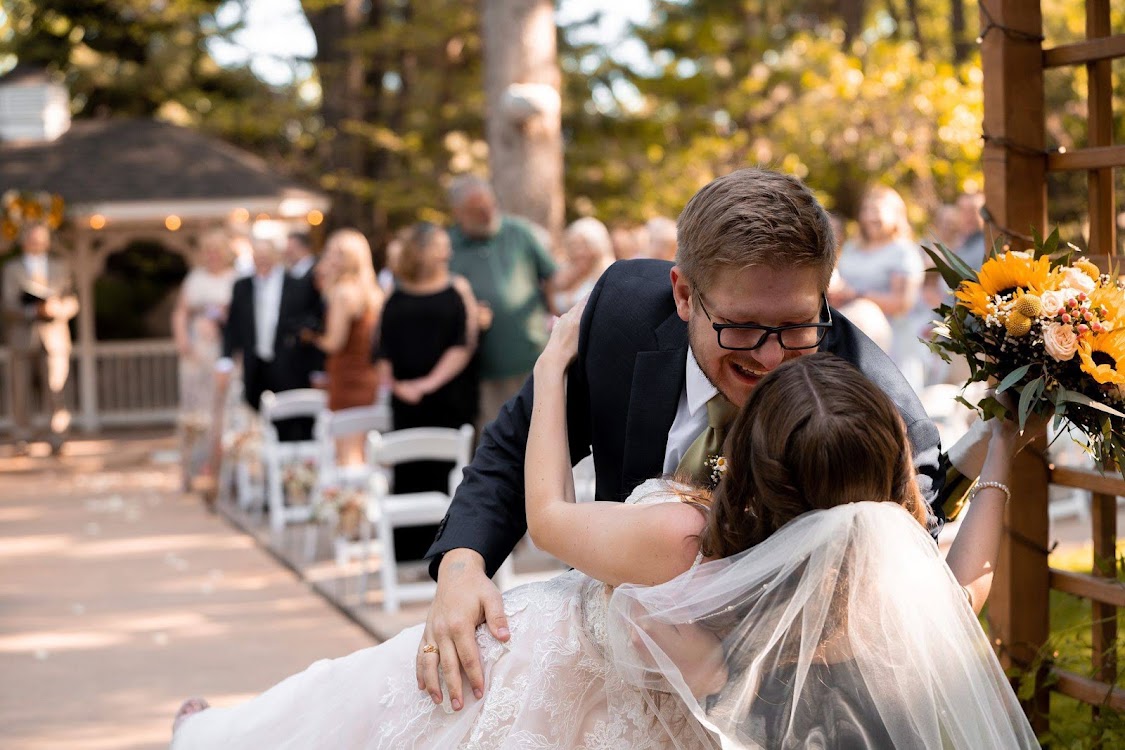
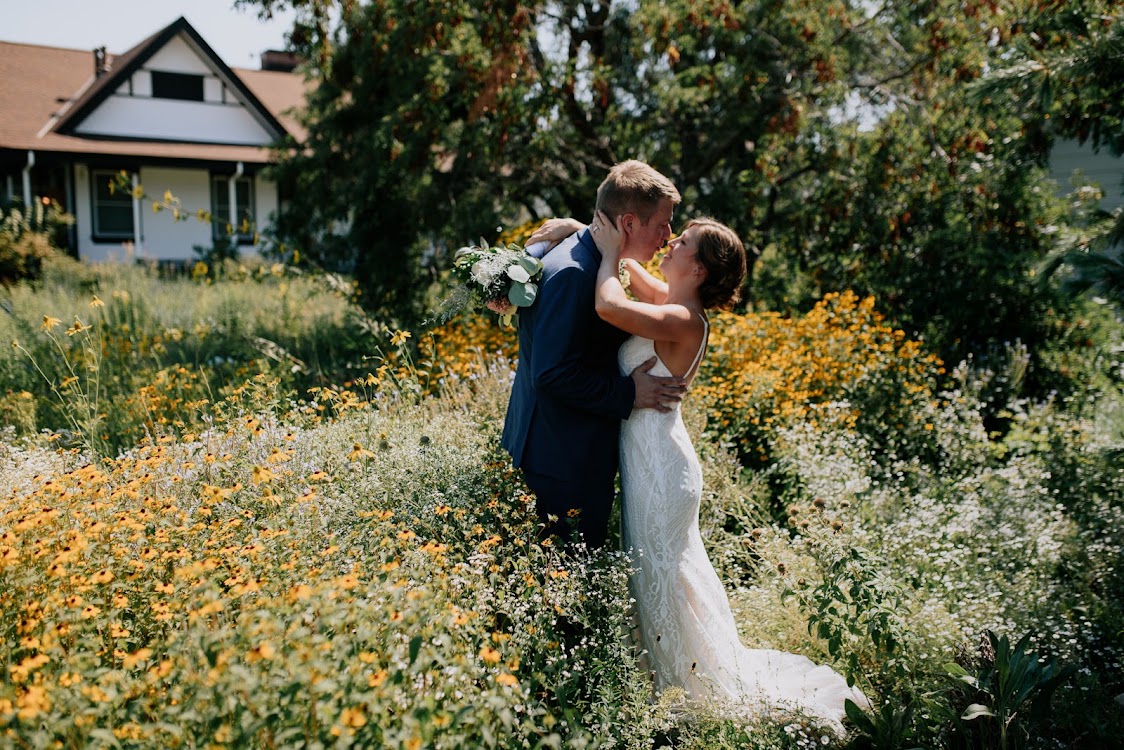
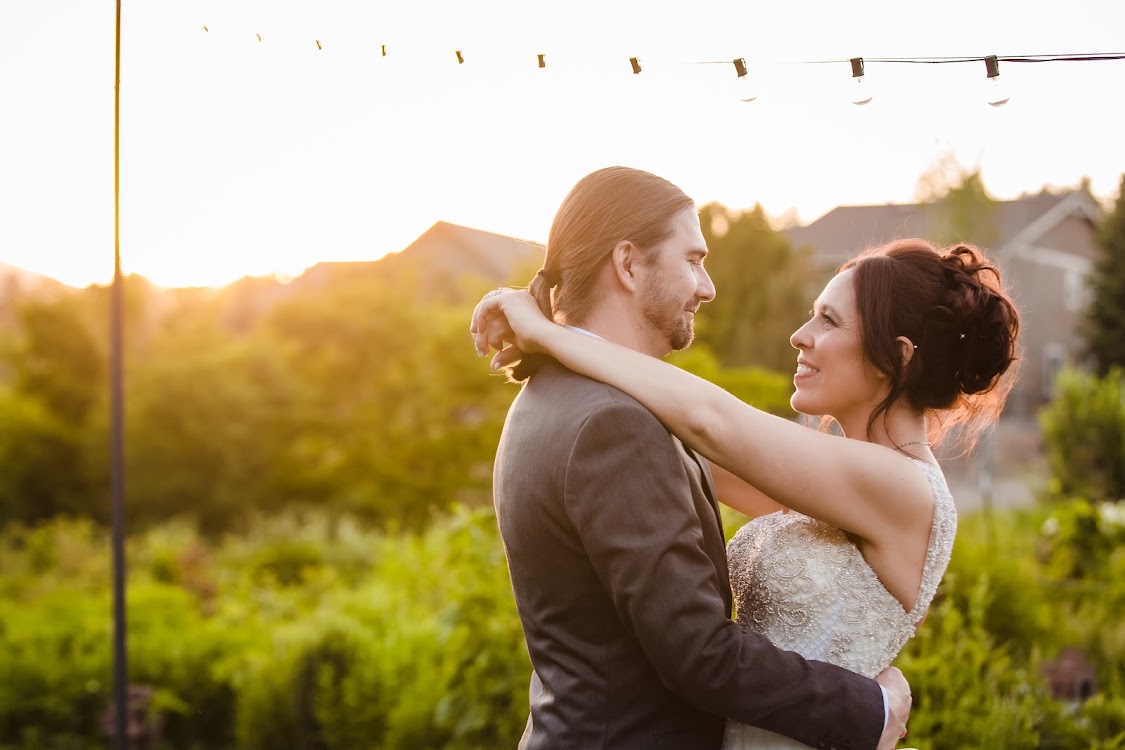
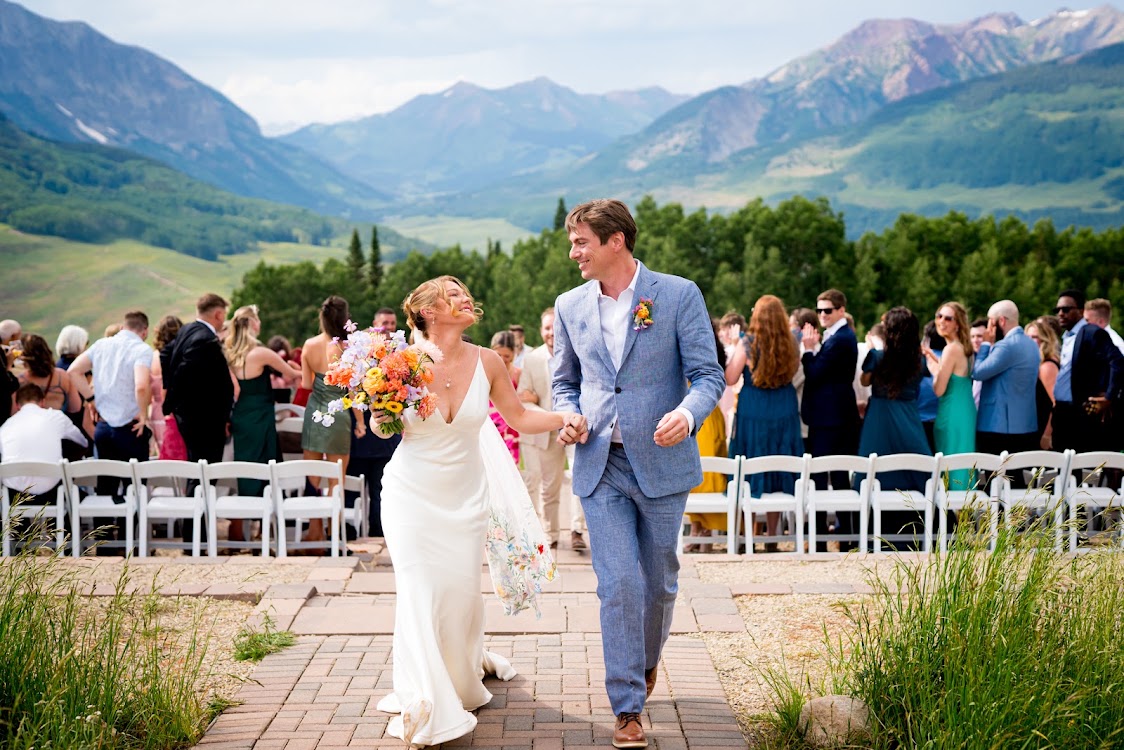
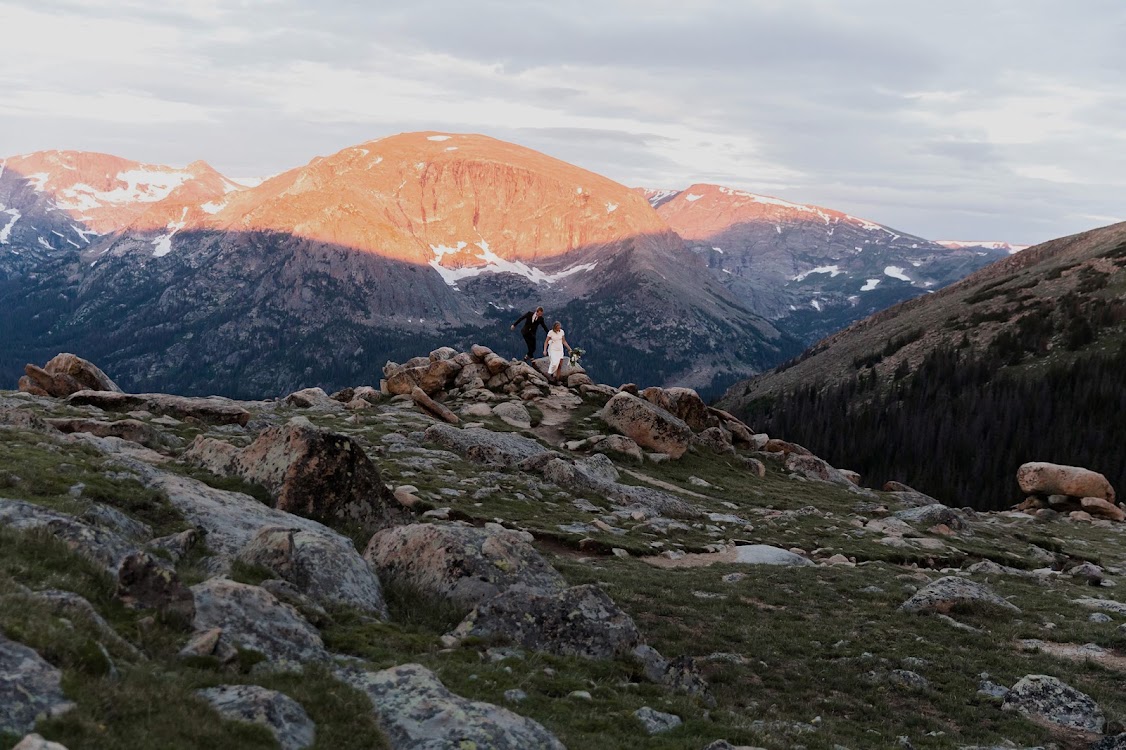
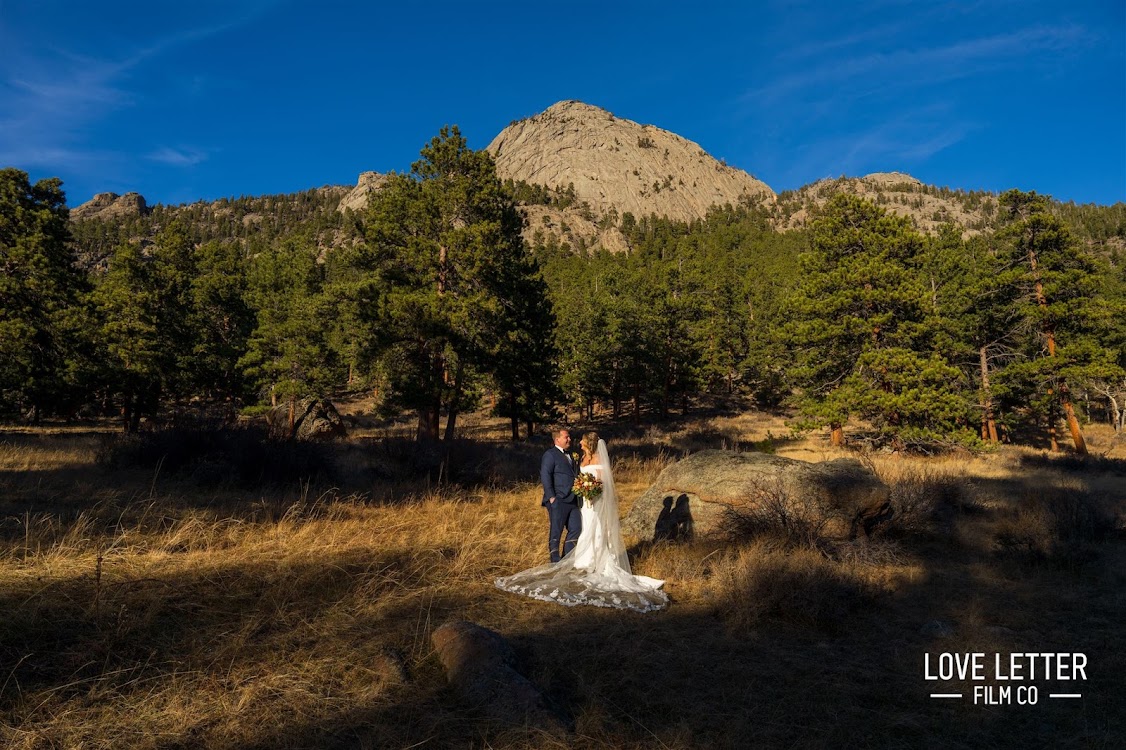
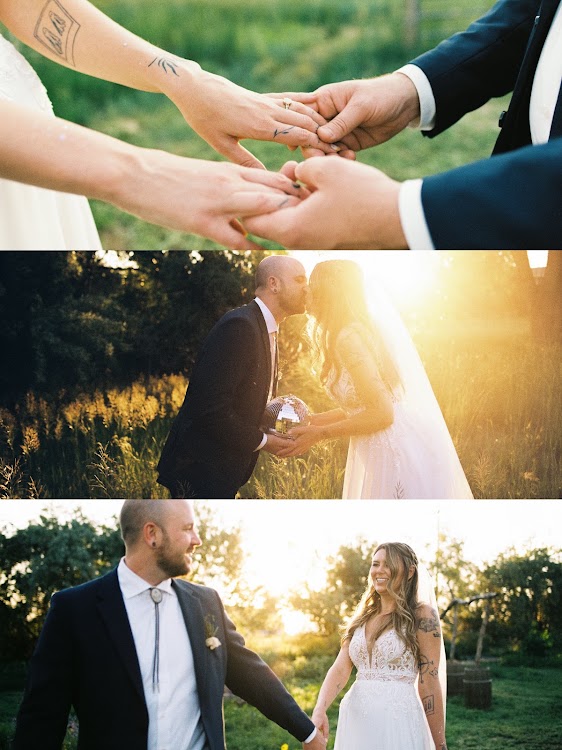
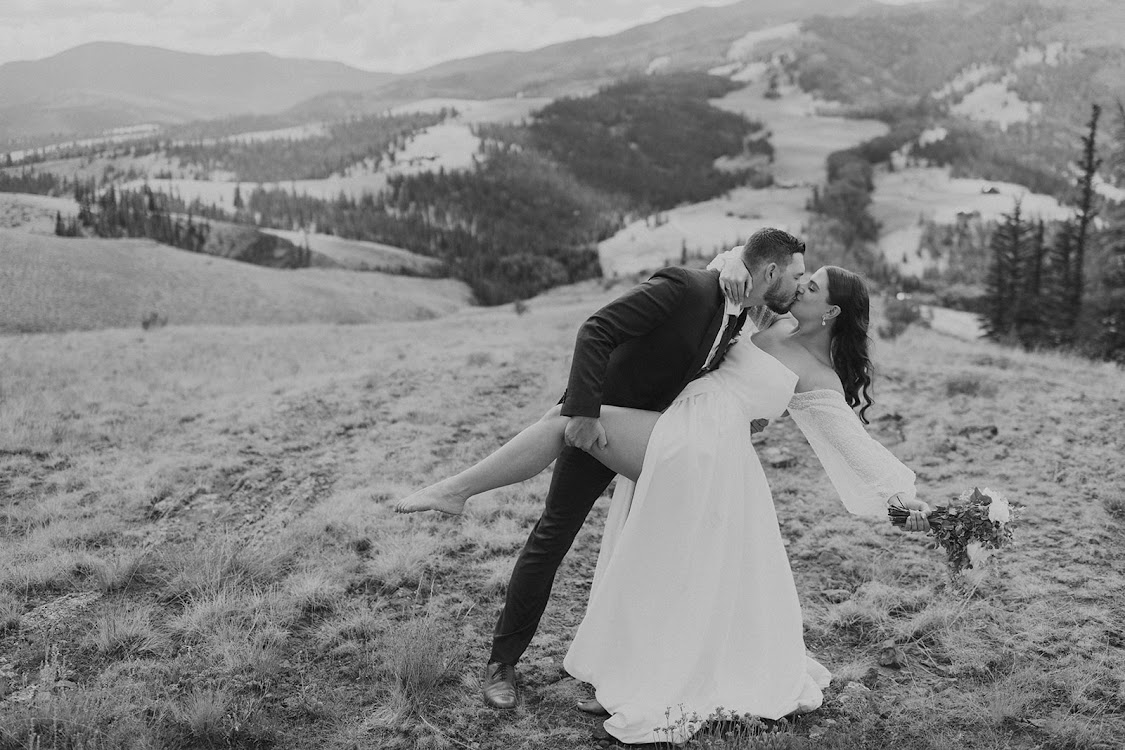
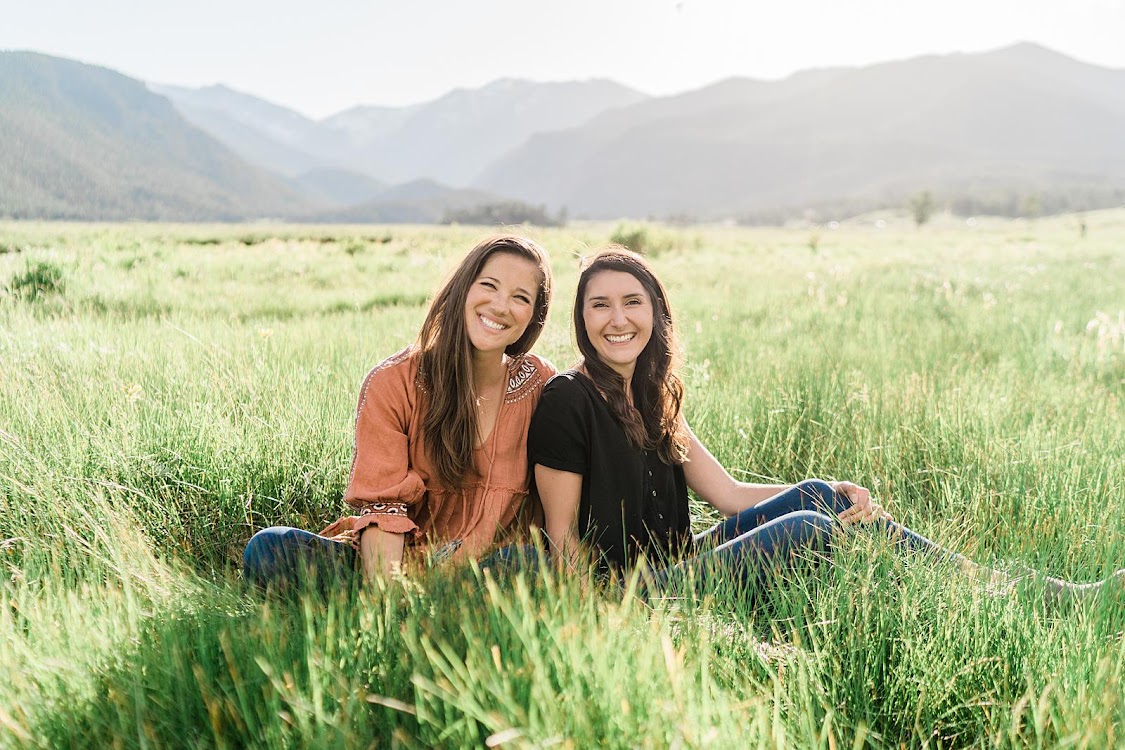
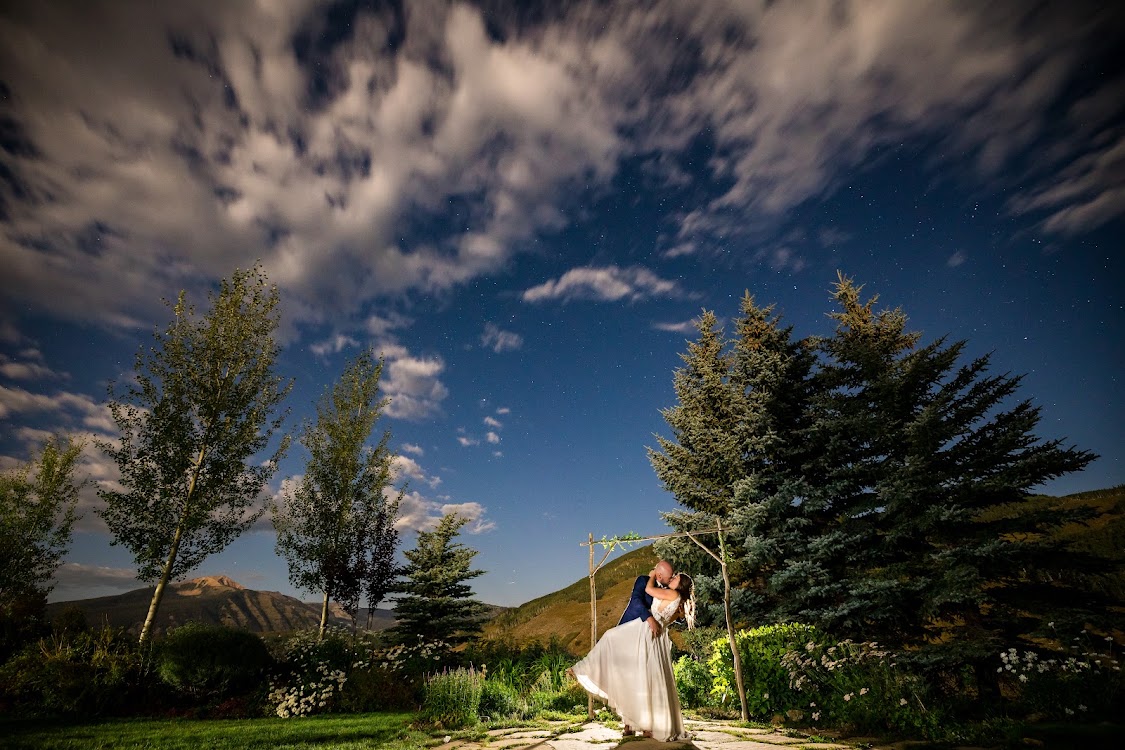
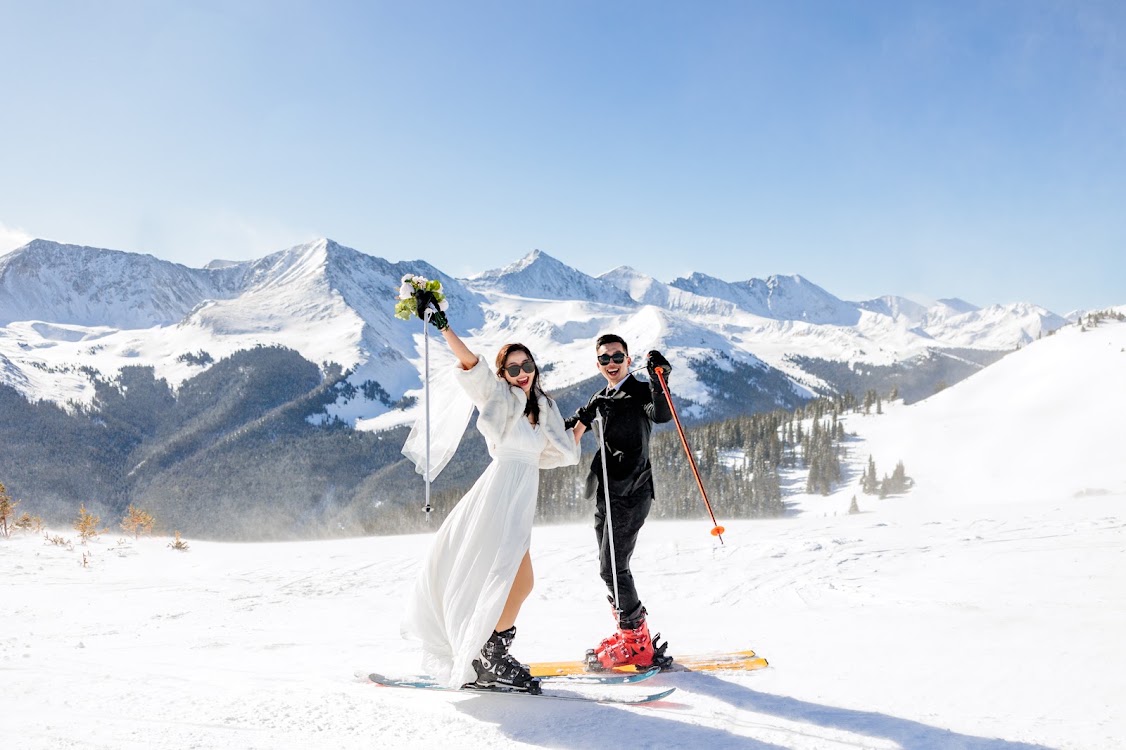
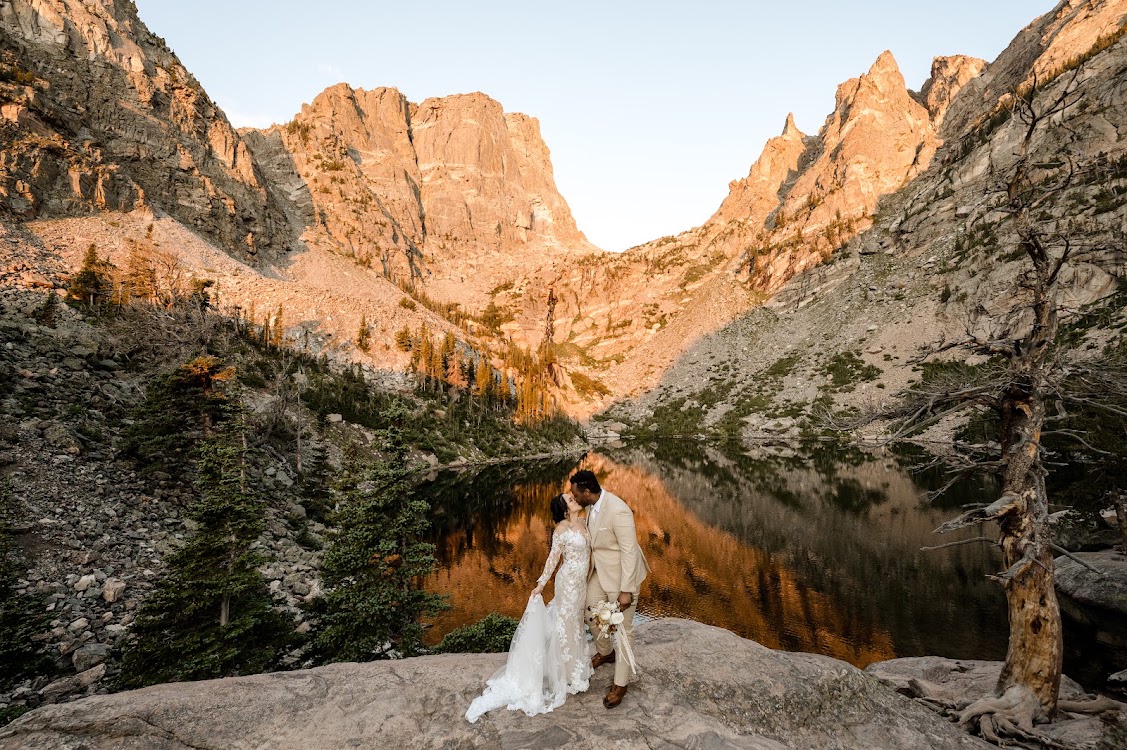
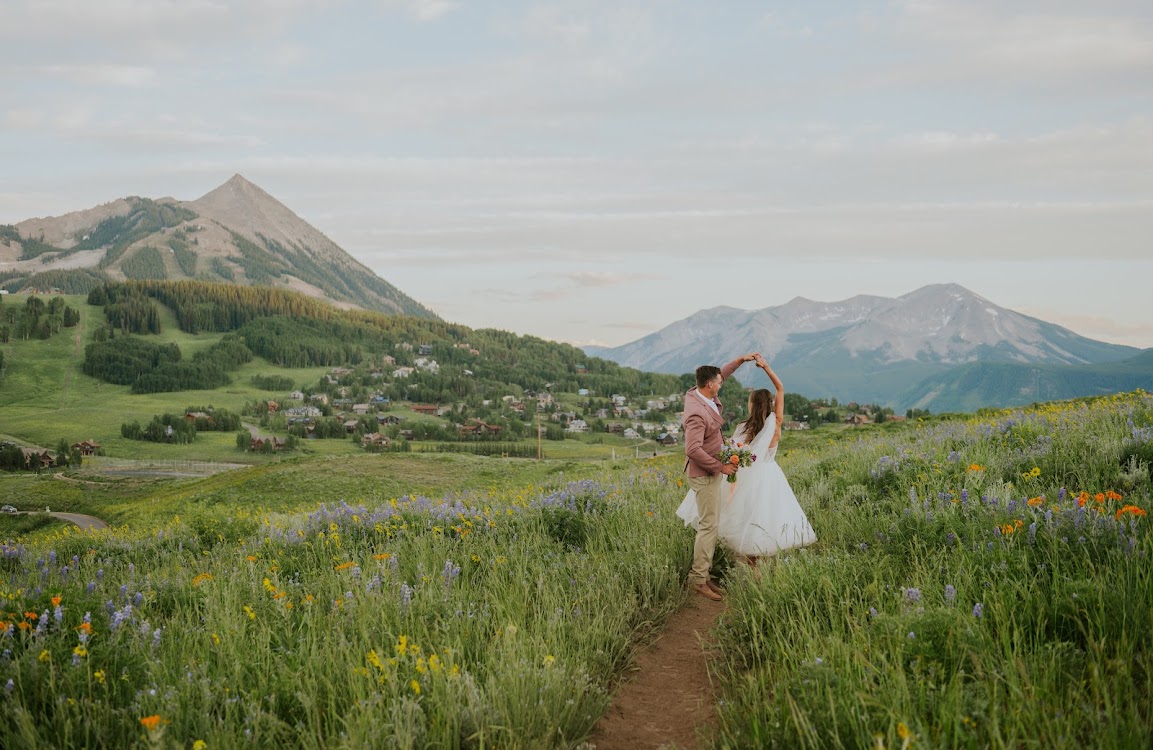
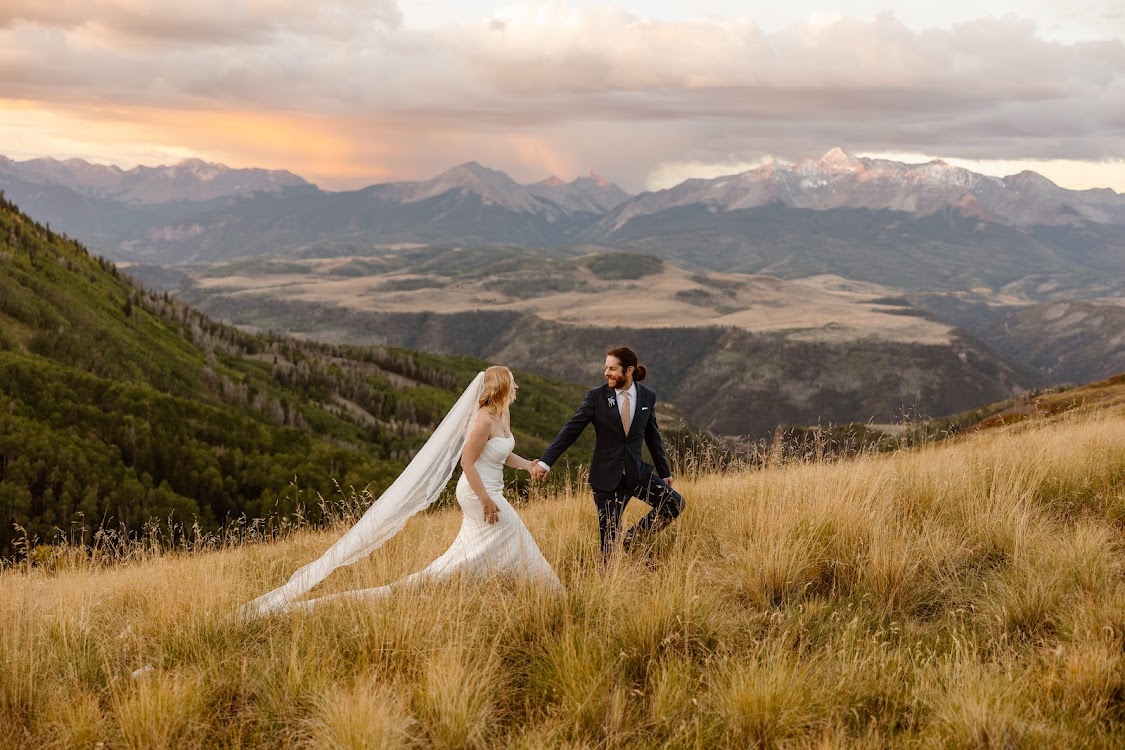
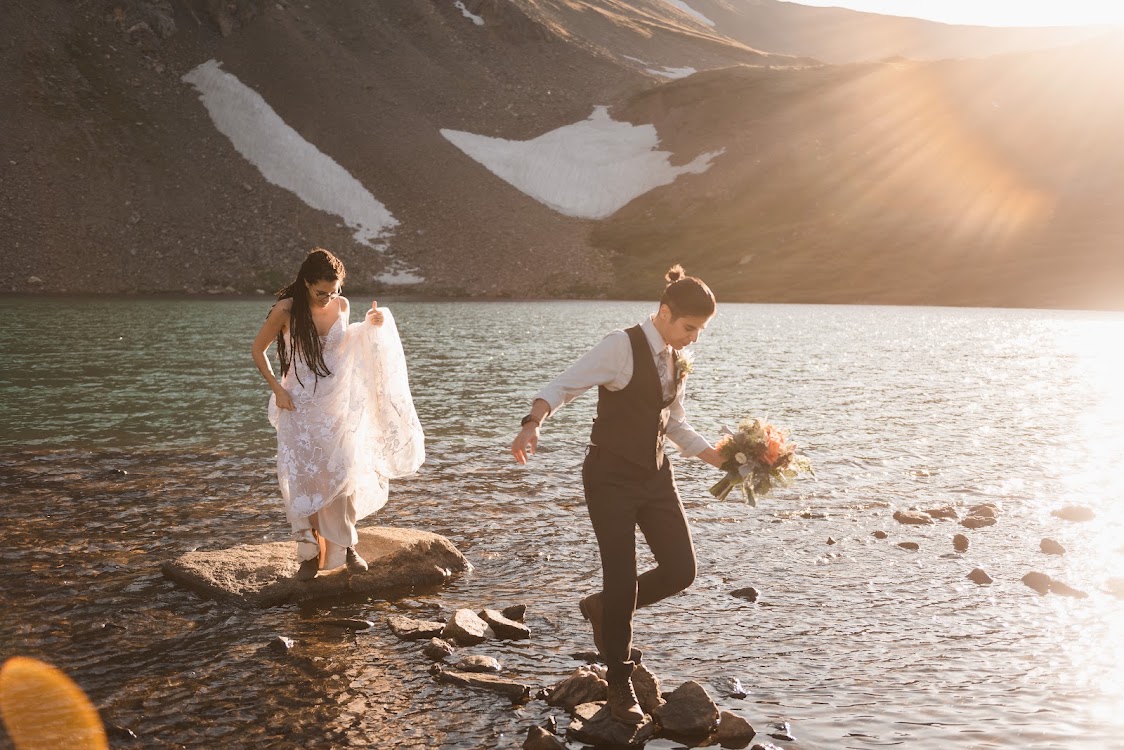
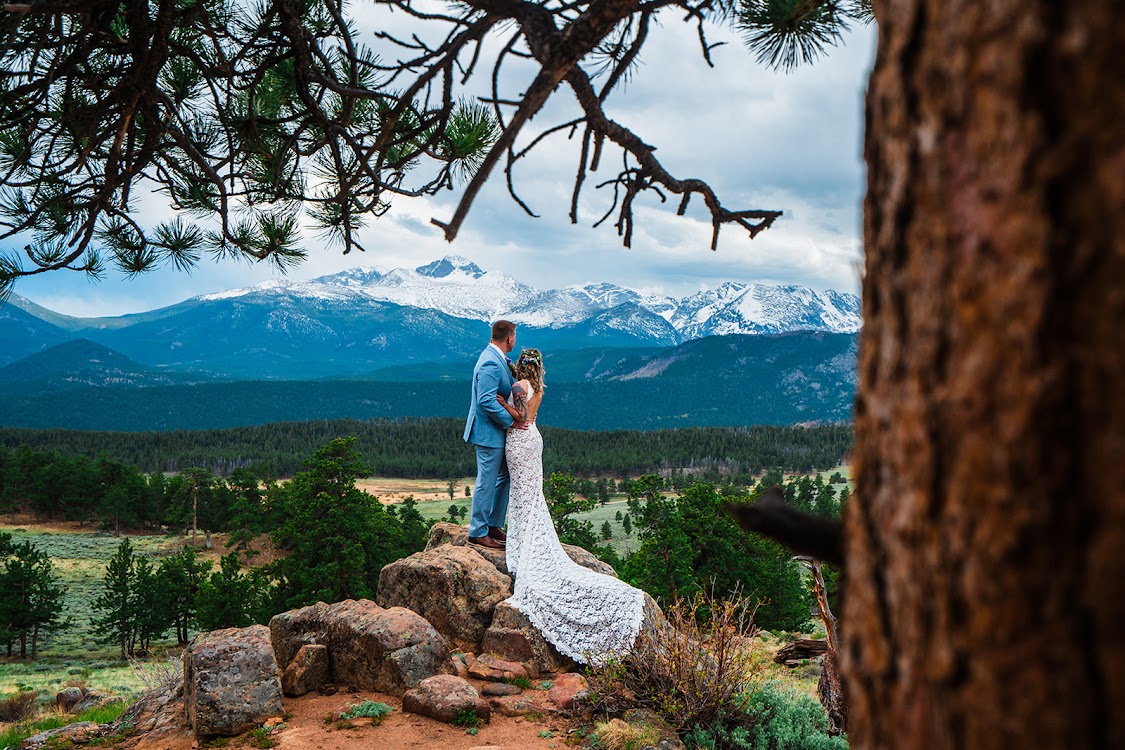
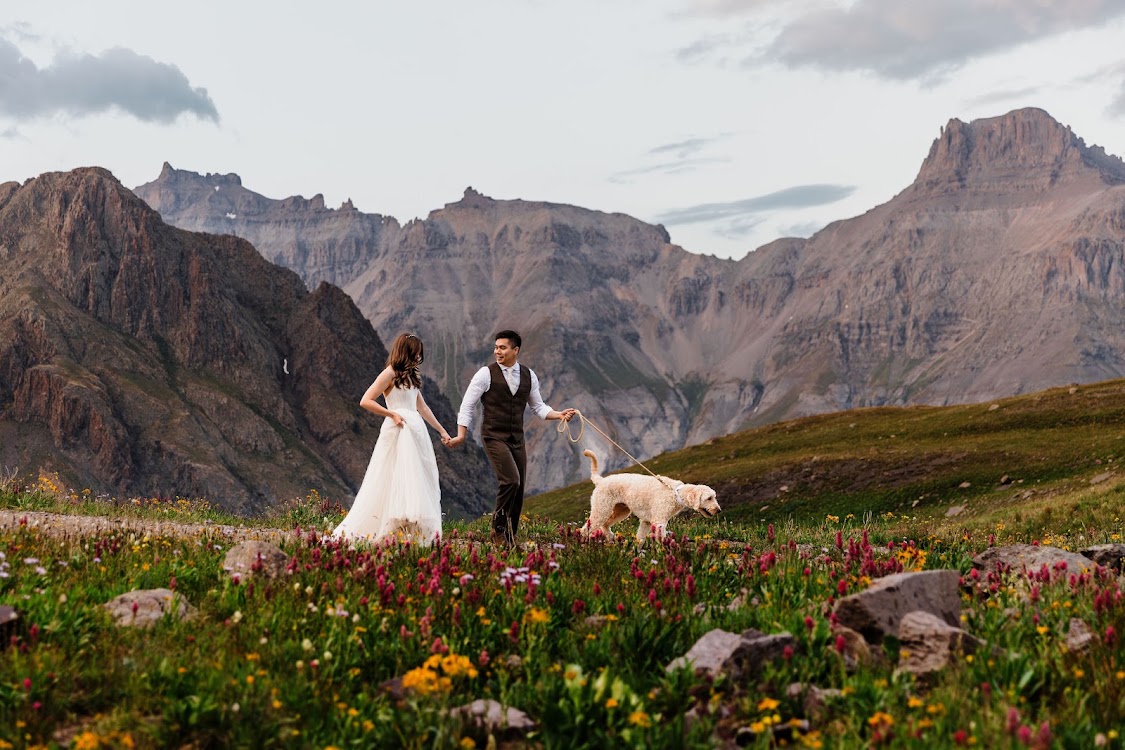
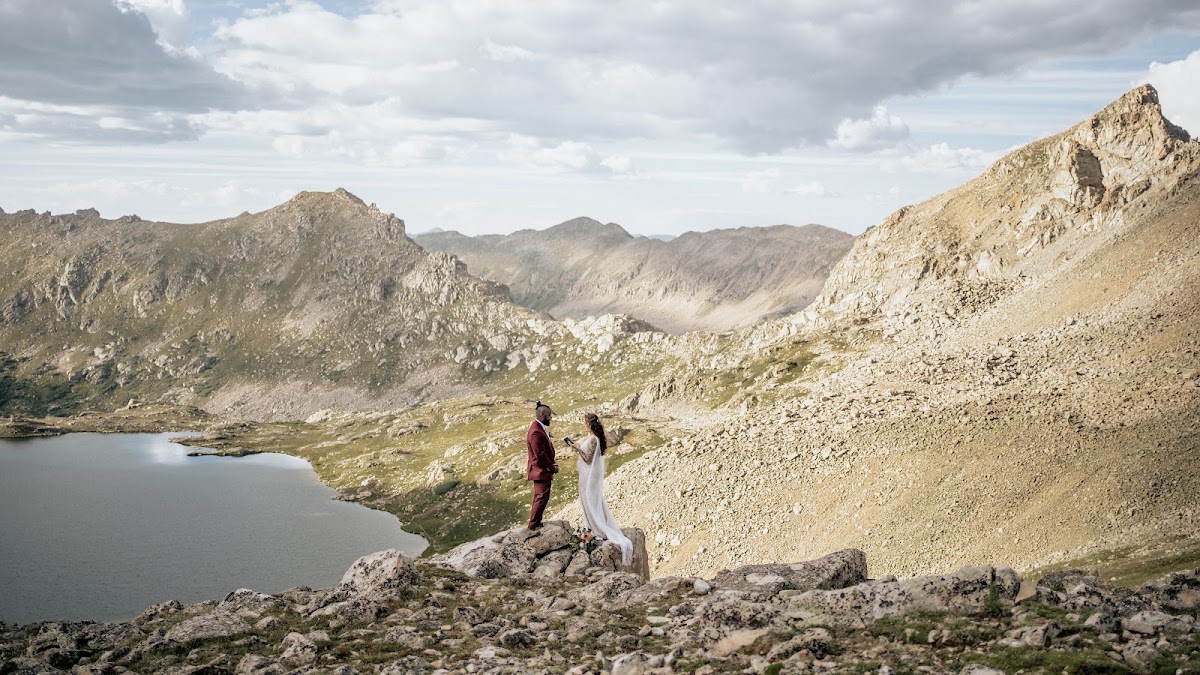
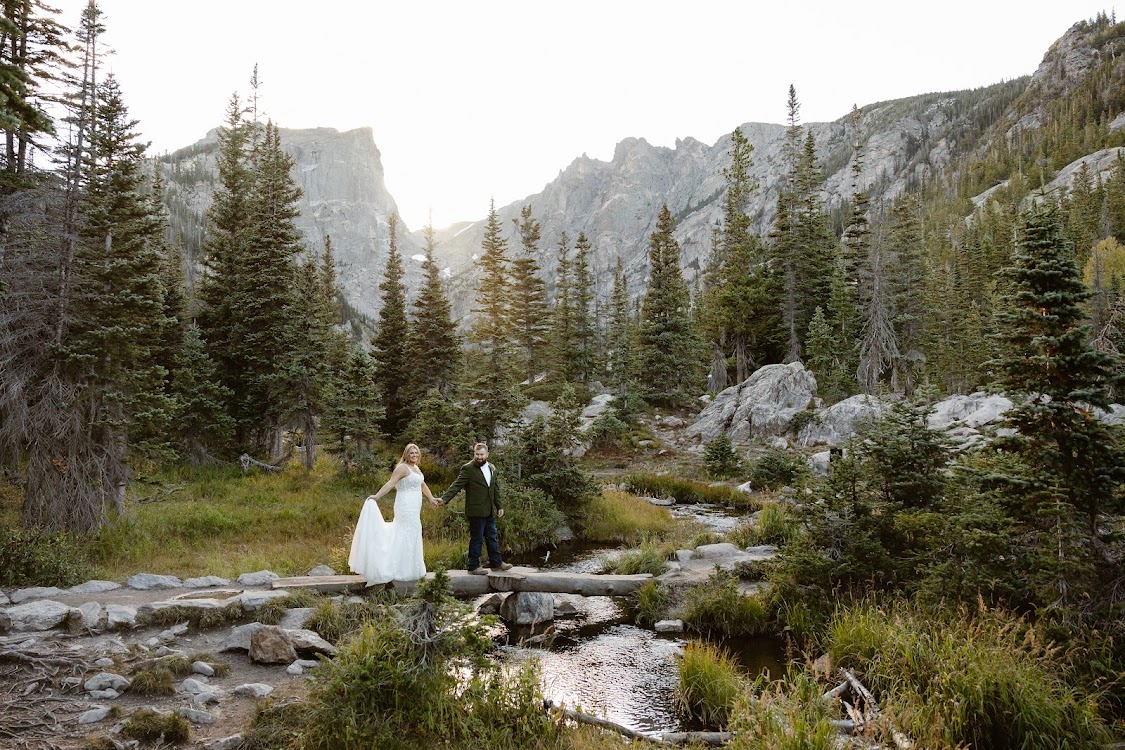
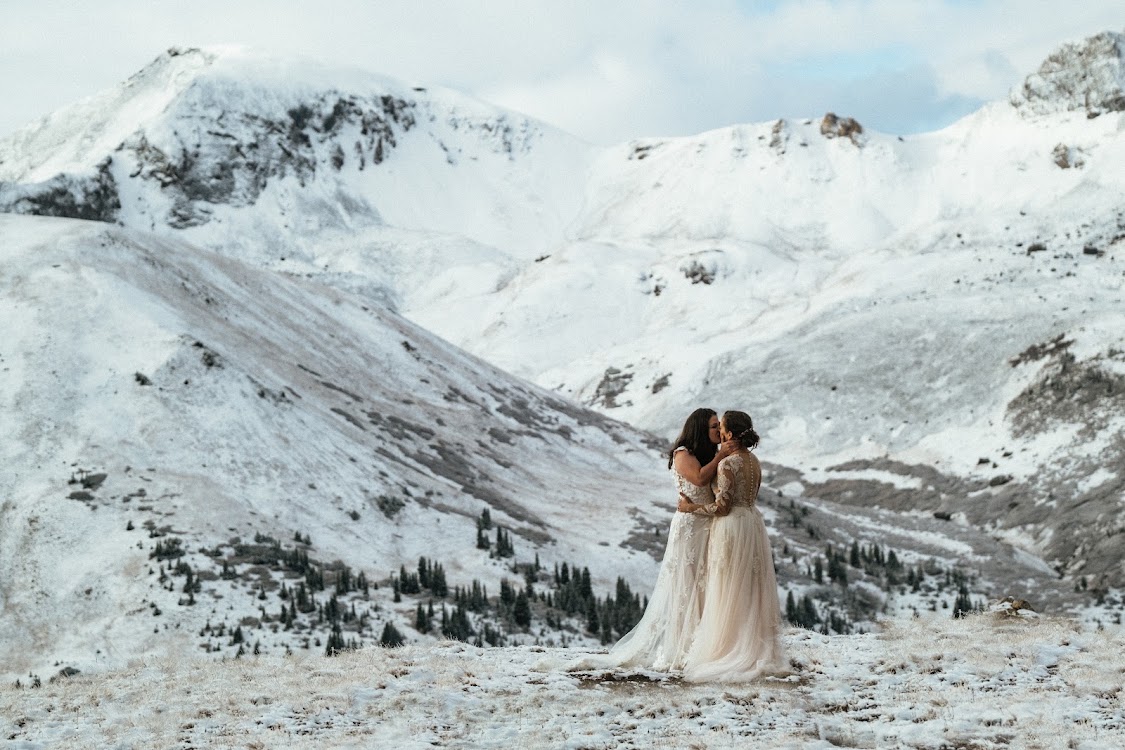
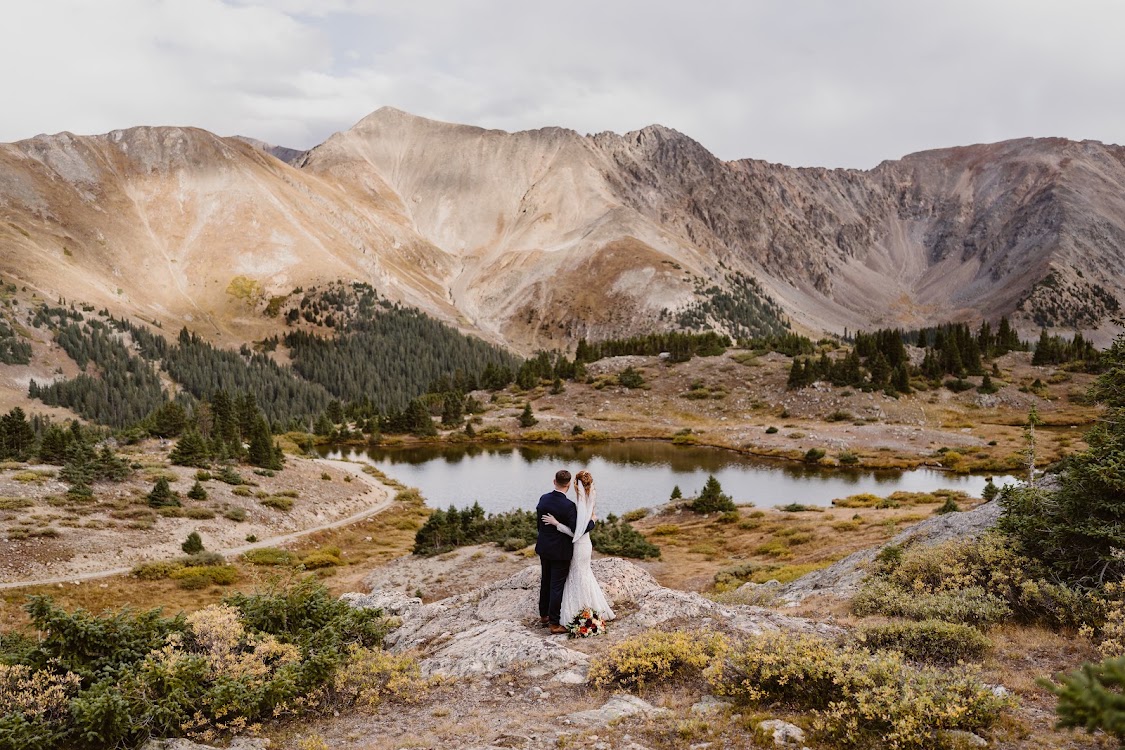
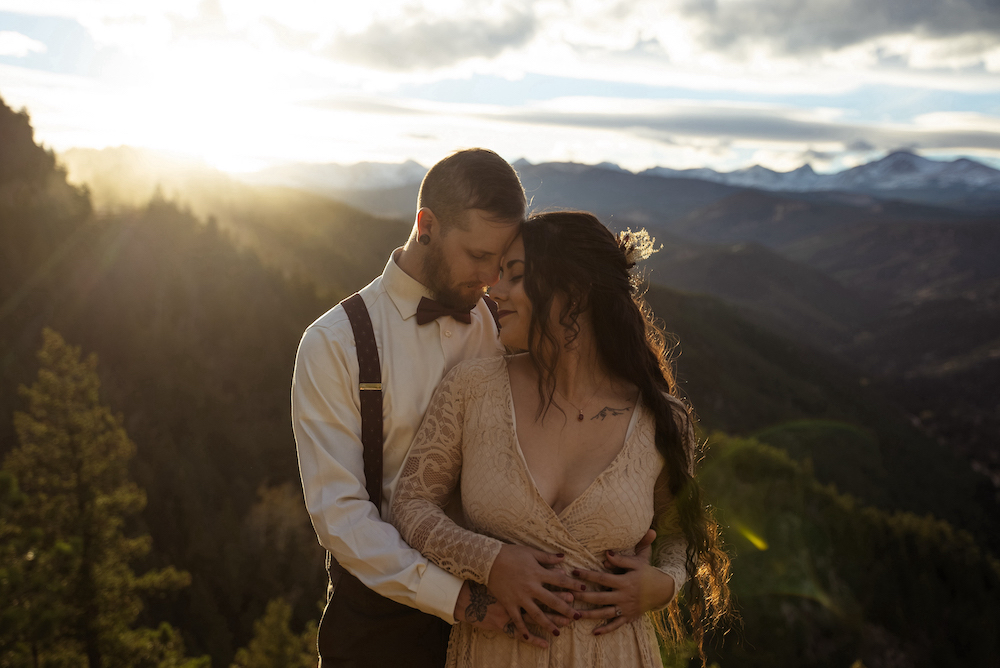
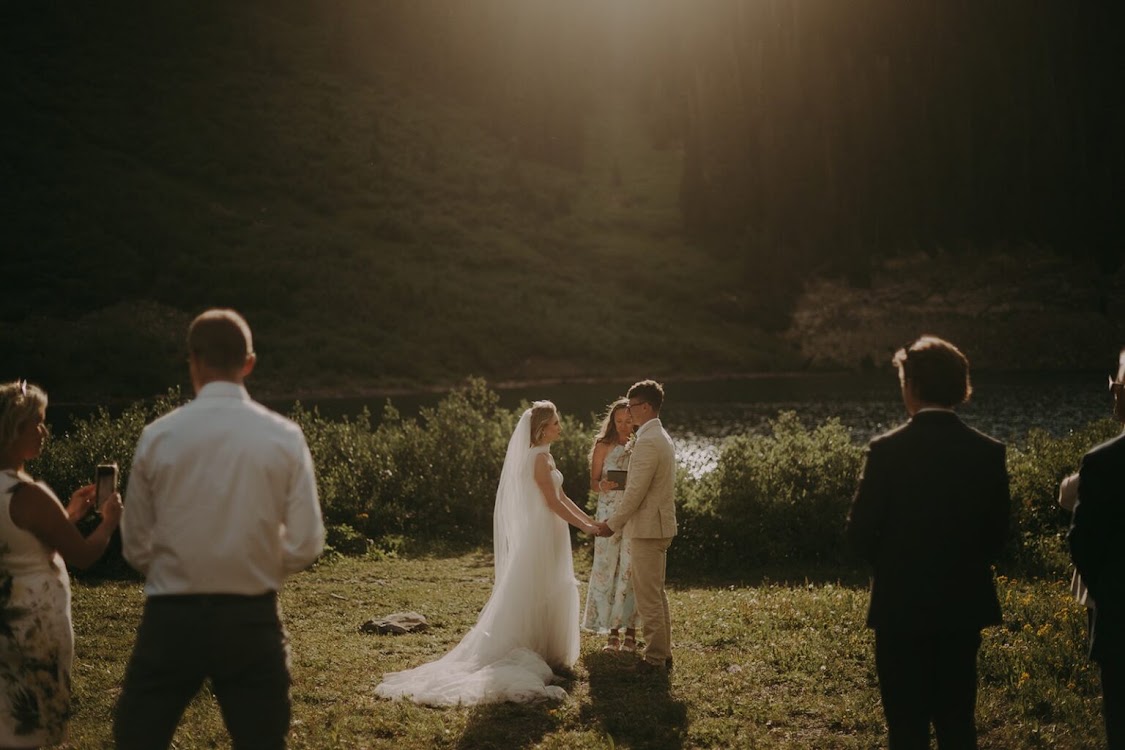
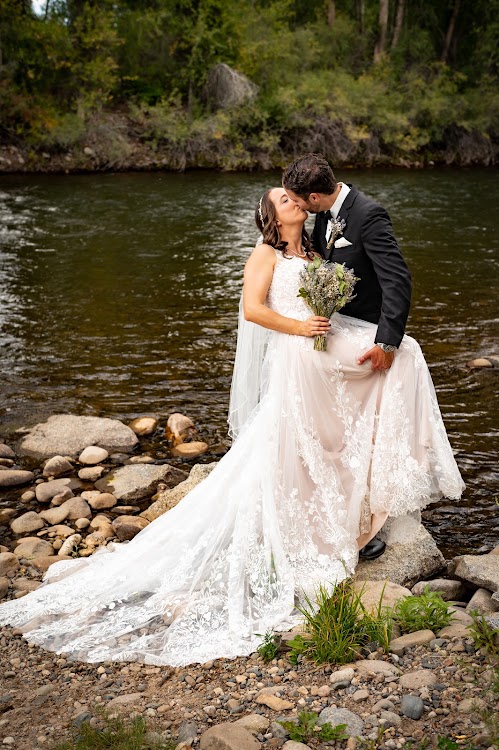
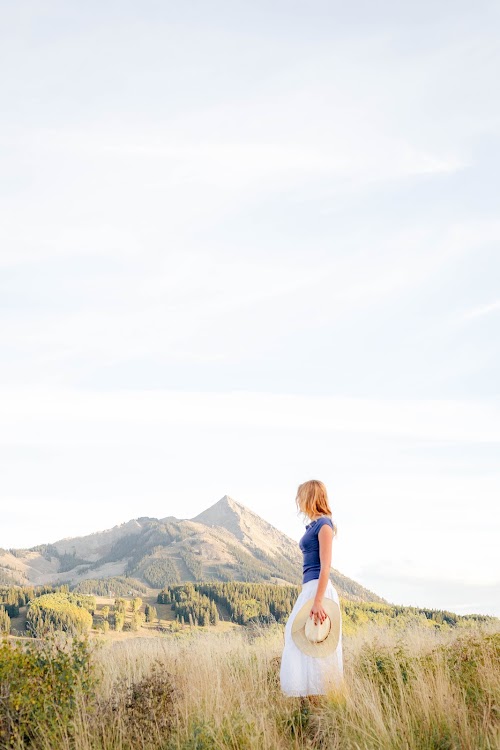
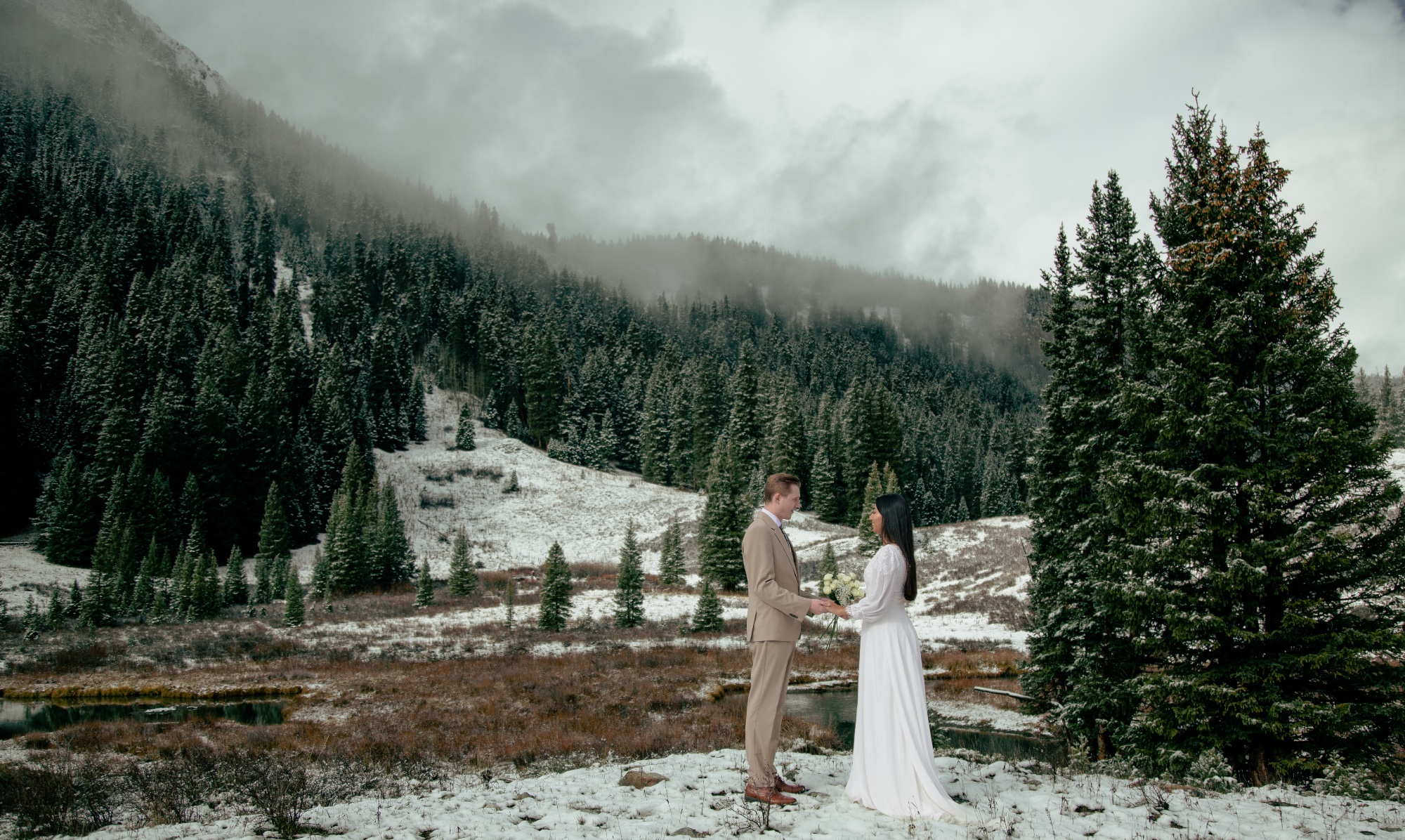
A Colorado elopement photographer does a different job from a photographer who works ballrooms. On a small mountain wedding they may be the only other person at your ceremony: the one who knows which trailhead fills by 6 a.m., where the first light lands, and how to keep your vows card dry when the wind picks up at 11,000 feet. A beautiful gallery matters, but how someone works outdoors at altitude matters just as much.
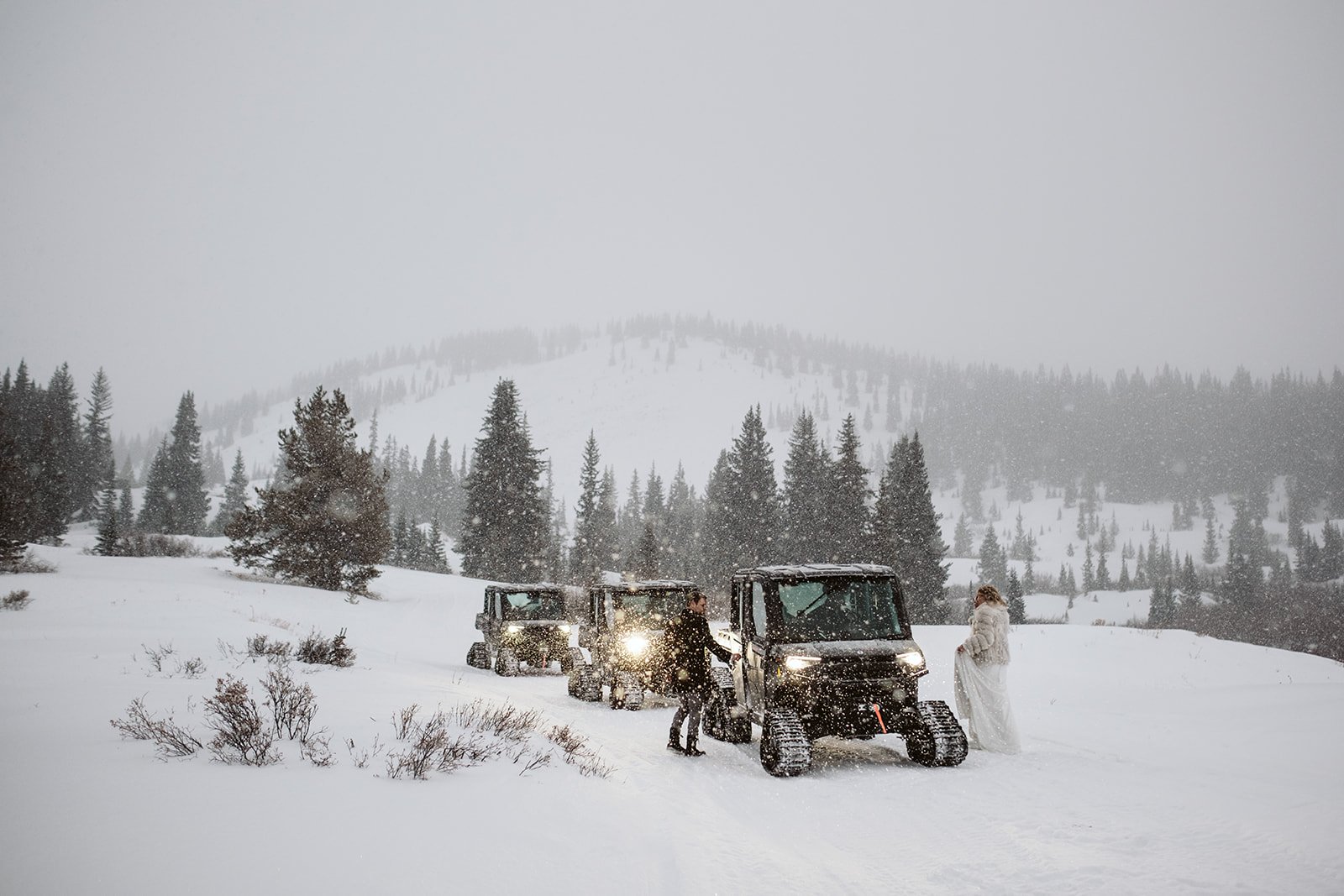
Start with weather. Thunderstorms build over the mountains most summer afternoons, and snow can fall above treeline in any month. A photographer who works here often will steer you toward a sunrise ceremony, name a backup spot below treeline, and tell you plainly whether they reschedule, move locations or shoot through rain. Get that policy in writing before you pay a deposit.
Permits come next. The Rocky Mountain National Park wedding permit covers your photographer for the permitted period, but some national forests expect professional photographers to hold their own commercial permits, and Jefferson County Open Space issues separate photography permits. Ask which permits they carry and whether they help you book the ceremony site. Our national forest and BLM page explains where the lines fall.
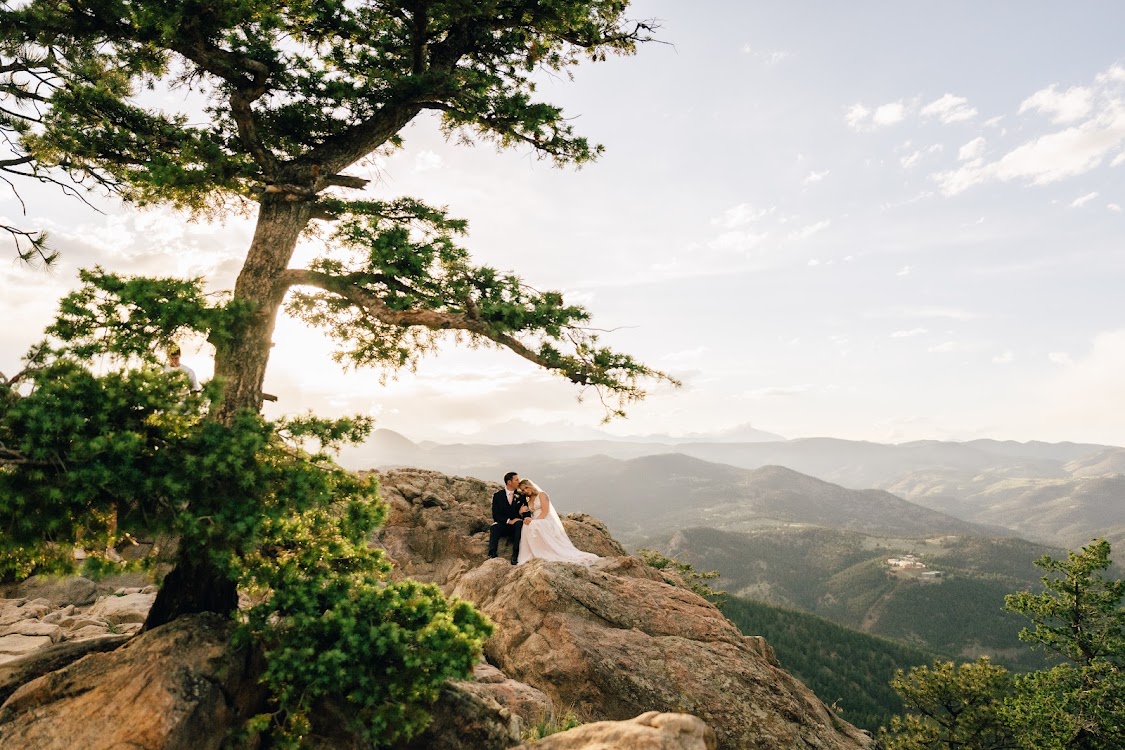
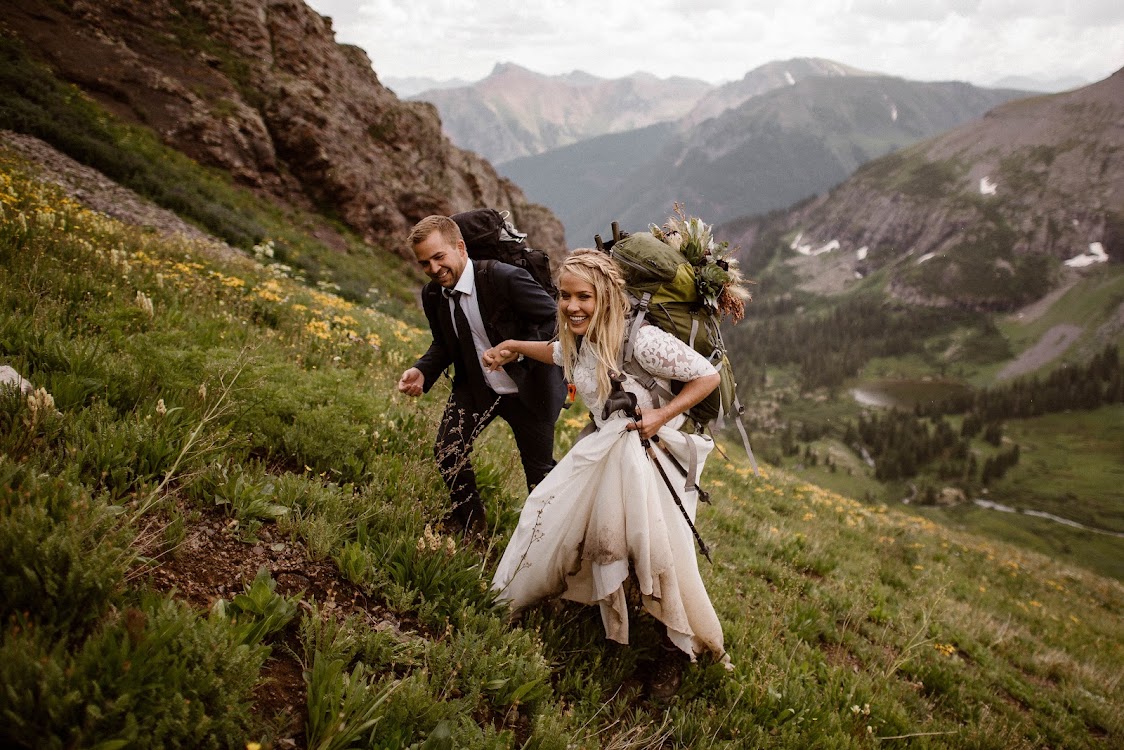
Then match fitness and pace. If you want vows on a ridge at dawn, your photographer is hiking in the dark with heavy gear at altitude. Ask how far they routinely hike, what they carry for you, and how they plan the day if you are flying in from sea level and need a slower first morning.
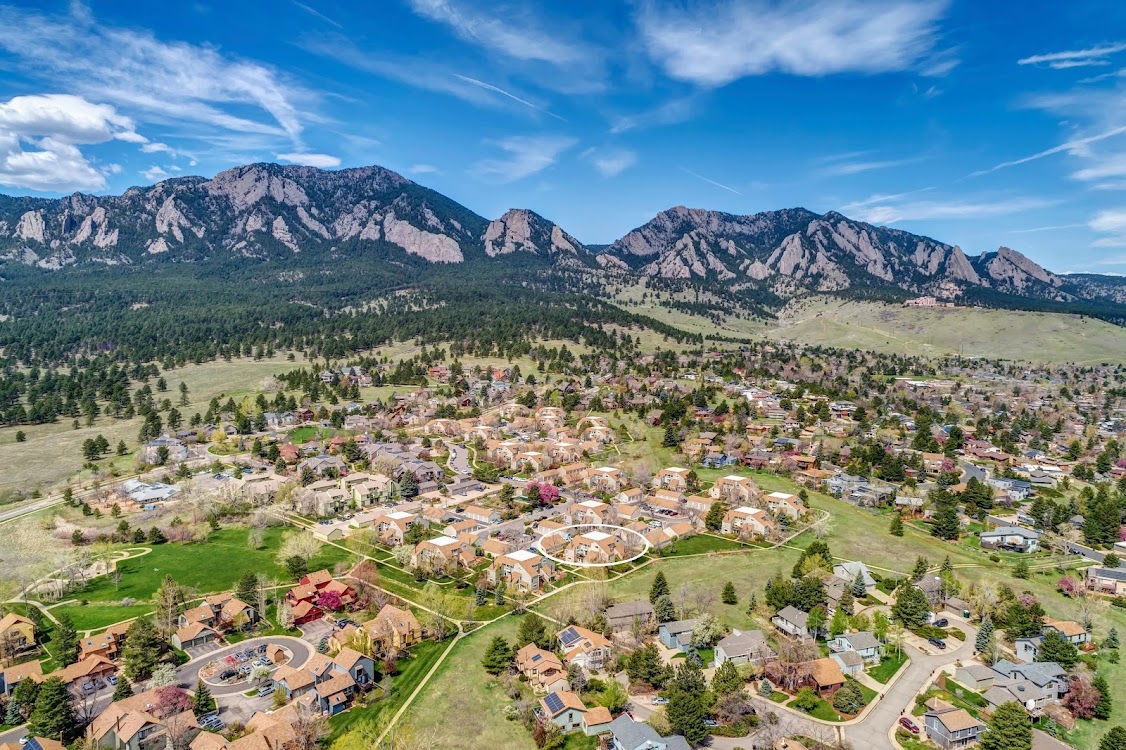
Finally, read the package. Most elopement photographers sell by hours of coverage, and a travel fee often applies outside their home area. Our cost guide lists typical ranges as estimates, not quotes. Hiring someone based in the region where you are marrying usually saves the travel fee and buys local knowledge of the light, the lots and the rangers. Every photographer below is grouped by where they are based, so start with your region and tap the heart to save the ones you like to your planner.