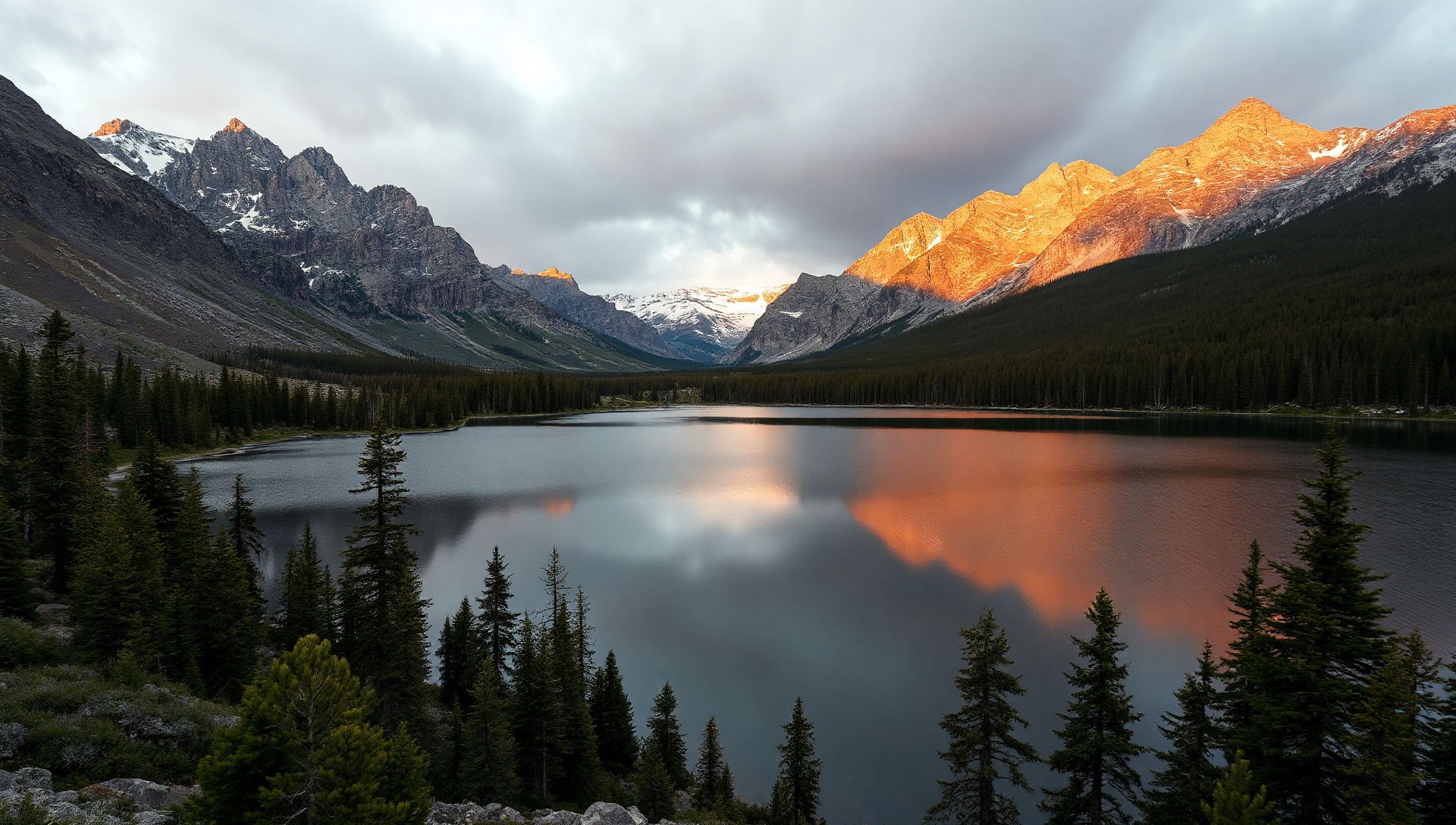
An elopement has fewer moving parts than a wedding, but the parts it has are fixed. A national park permit opens on a set date, a marriage license expires, the sun sets when it sets, and in July the sky over the Divide usually turns by early afternoon. Plan backward from those, and everything else fits around them.
This page has two halves: the planning timeline, then three sample days with clock times you can adapt.
Part one: the planning timeline
Twelve months out
Choose a region and a season before you choose anything else, because the place decides how early you must move. Rocky Mountain National Park accepts wedding applications one year ahead of your wedding month, reviewed first come from the first of that month. The park’s own notice says May, June and August through October 2026 are fully booked, which tells you to apply on the first day your month opens. Our RMNP permit guide covers the $300 fee and the 13 sites. If you are still deciding, start with the best places to elope in Colorado.
Nine to six months out
Book your photographer once the date and site are set; the good ones for peak summer and fall weekends go first. This is also when to decide whether you will marry yourselves or want an officiant, and to book lodging near your site, since a sunrise ceremony is far easier from a bed fifteen minutes away. Browse Colorado photographers.
Three months out
Book hair and makeup and tell the artist your start time up front; a sunrise ceremony can mean a 3 a.m. chair. Settle your guest count against the site’s cap. In RMNP the photographer and officiant count toward your group limit. Pick a backup site for weather, ideally one below treeline with a car or building close by.
One month out
Confirm your clerk’s hours and appointment rules, and plan park entry. RMNP wedding permit holders do not need a separate timed entry reservation, because the permit serves as one, but normal entrance fees still apply to every vehicle. In 2026, timed entry ran from May 22, covering 9 a.m. to 2 p.m. through October 12, with the Bear Lake Road corridor reserved from 5 a.m. to 6 p.m. through October 18. The park had not published its 2027 dates when we checked, so confirm them in spring.
Within 35 days of the date
Pick up the license. It is valid anywhere in Colorado for 35 days from the day it is issued, so a stop on the drive in is usually perfect. The Colorado marriage license guide compares the offices.
The week of
Send every vendor one shared schedule with addresses, parking and a weather call time. Watch the forecast for your site’s elevation, not the nearest town.
The week after
Mail the signed certificate to the clerk who issued it within 63 days of the ceremony. State law sets a late fee of at least $20, rising $5 a day to $50. Once it is recorded, order certified copies. If you are changing your name, Jefferson County advises starting with Social Security, which needs the marriage record and ID in your old name.
The planning checklist turns all of this into boxes you can tick.
Part two: sample elopement days
Two pieces of Colorado reality shape every schedule below. First, light. The U.S. Naval Observatory puts Denver’s sun at these times; treat them as approximate, and remember that mountains block low sun, so valleys lose direct light before the official sunset.
| Date | Sunrise | Sunset |
|---|---|---|
| June 21, 2027 | about 5:32 a.m. | about 8:31 p.m. |
| October 15, 2027 | about 7:10 a.m. | about 6:21 p.m. |
Second, storms. Rocky Mountain National Park notes that most thunderstorm activity occurs after noon and that lightning is common from June through September. If you can hear thunder, you are likely within striking distance. The park’s advice is to shelter in a vehicle or building and wait at least 30 minutes after the last thunder.
Sample one: summer sunrise in the mountains
- 3:00 a.m. Hair and makeup at your rental in Estes Park.
- 4:30 a.m. Drive to your permitted site with the permit printed.
- 5:05 a.m. Photographer meets you. First look in the blue light before sunrise.
- 5:35 a.m. Sun on the peaks. Ceremony.
- 5:55 a.m. Sign the license, then portraits and a short walk.
- 7:30 a.m. Breakfast in town while the trails fill up.
- Afternoon. Nap. Let the storms do what they do.
Sample two: midday or afternoon with a storm buffer
Afternoons are workable in summer if you plan for interruption.
- 10:00 a.m. Getting ready.
- 11:45 a.m. Arrive at a forested site below treeline, with the car parked close.
- 12:15 p.m. Ceremony, kept short. Sign immediately so the legal part is done.
- 12:30 p.m. Portraits until the first thunder, then back to the car for at least 30 minutes after the last rumble.
- 1:30 to 3:00 p.m. Buffer. A covered porch, a lodge or a coffee shop makes a good second location.
- 5:30 p.m. If the storm clears, go back out for the washed, glowing light that often follows.
In September or October, when storms ease, the same plan simply runs without the buffer.
Sample three: fall sunset micro wedding with dinner
- 1:30 p.m. Hair and makeup.
- 3:30 p.m. First look and portraits of the two of you.
- 4:30 p.m. Guests arrive.
- 5:00 p.m. Ceremony, about an hour before mid October sunset.
- 5:20 p.m. Signing, then family photos while everyone is still warm.
- 5:40 to 6:20 p.m. Golden hour portraits, just the two of you.
- 7:00 p.m. Dinner for the group.
Fall evenings cool quickly once the sun drops, so bring layers for guests. Our fall elopement guide covers aspen timing, and the winter elopement guide adjusts these schedules for short days and snow.
Putting it together
Use the Estes Park guide for ceremony sites and seasons around the park, browse Estes Park vendors, and save your permit date, license window and return deadline in the free planner so nothing slips between month twelve and the week after.
Related reading: our best time to elope in Colorado, month by month.